You know that feeling when you’re sitting in the lineup, just you and the horizon, and the ocean starts to breathe a little deeper? The water goes glassy, the light turns honey-thick, and you see a set feathering on the outside. Your heart kicks. Your board feels alive under your feet. That moment - that tiny sliver of time before the drop, before the world folds into a rush of spray and foam - that’s what surf photography is really chasing. Not just the action, not just the air or the barrel, but the soul of the whole thing. The salt, the wind, the quiet tension, the pure and undeniable stoke that makes us paddle out again and again.
A good surf photo does more than freeze a frame. It takes a breath and holds it. It lets you feel the water’s push, taste the brine, hear the hollow thunder of a tube about to spit. For the surfer in the picture, that image becomes a time capsule - a way to revisit a day when everything clicked, when the ocean threw open its doors and let you in. For the rest of us, it’s a window into a culture built on patience, respect, and the endless search for a wave that only exists for a few seconds. That’s the beauty of this craft. It doesn’t just document the sport. It captures a whole way of living.
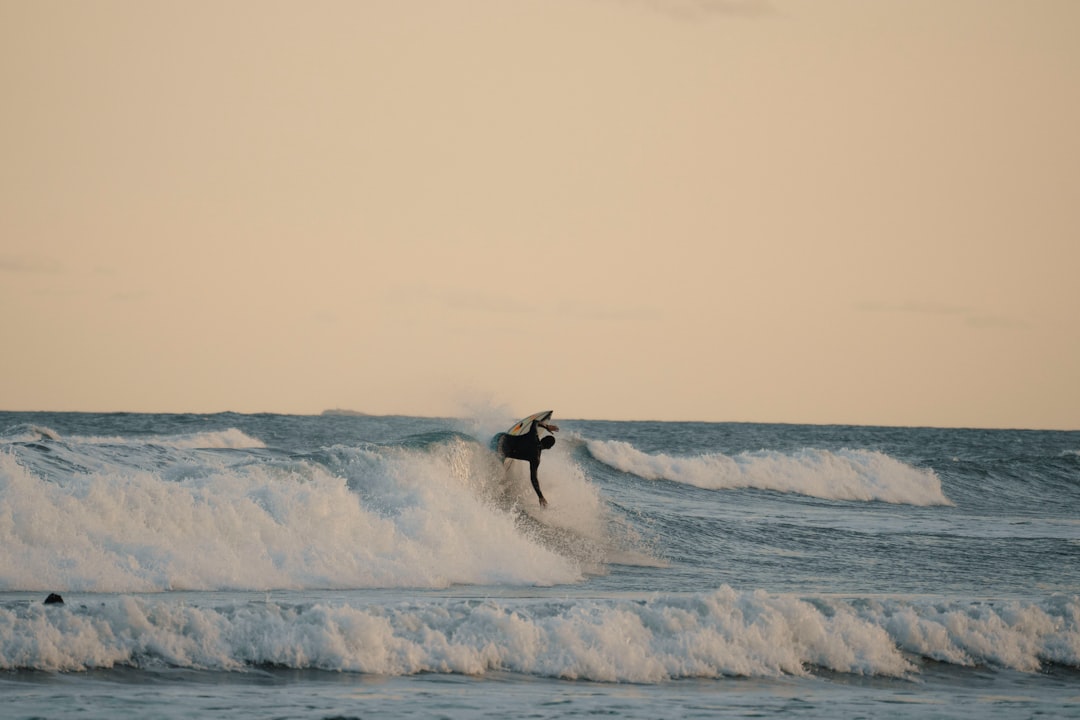
Think about the iconic shots. The ones that hang in surf shops and get tattooed on people’s souls. A rider deep in a grinding barrel on the North Shore, the lip throwing shadows across the coral-blue face. A goofy-footer suspended in the air, board tucked, fingertips brushing the veil of spray. A kid on a foamie catching their first green wave, eyes wide as the ocean says welcome. These photos speak a universal language. They don’t need a caption. You see them and you know - you know the dedication, the fear, the pure joy that comes from surrendering to something bigger than yourself. That’s the cultural heartbeat of surfing, and the photographer is the one who listens close enough to record it.
But there’s a deeper layer, too. Surf photography is a relationship between the shooter and the sea. You can’t fake the ocean. You can master your gear, study the charts, talk to the locals about the bank and the swell direction. But at the end of the day, the ocean decides. The best photographers know this. They sit in the channel, bobbing in the foam, water in their housing, waiting for that split-second when a wave transforms into art. They get thumped. They get skunked. They swallow salt and fight the current. And they do it all because they love the craft. That dedication shows in every frame. It’s the difference between a snapshot and a soul shot.
There’s also a quiet responsibility that comes with surf photography. These images shape how the world sees surfing. They can celebrate the localism and the ethics of a lineup, or they can sell a washed-out dream of crowded, angry peaks. The good ones - the ones that matter - they show the respect. They capture the nod between strangers when a wave rolls through, the paddle back out after a wipeout, the way a surfer thanks the water with a slow slide down the face. That’s the community part, the part that’s not about the glory. A great photo reminds us that surfing is a shared language, spoken by everyone from a grom in California to an old soul in Bali, all of us chasing the same endless rhythm.
I remember a shoot a few summers back. Dawn patrol, the sky the color of peach and steel. A couple of friends out, just trading waves. No one was going to win a title that morning. But there was this one corner - a right-hander that wouldn’t quit, peeling along a sandbank that felt like it had been waiting for us. We shouted when the sets came. We laughed when we ate it. And when I got home and pulled the photos, there it was - my buddy’s face in the hollow of a wave, pure and wild, like the ocean itself had smiled. That’s the moment. That’s why we shoot. To keep that stoke alive, not just for ourselves, but for anyone who ever wanted to feel the salt on their skin from the safety of the shore.
So yeah, surf photography is about capturing the moment. But more than that, it’s about bottling the spirit. The endless summer. The open road. The promise of one more wave over the horizon. Every photo is a story, every shutter click a prayer to the tide. Pass it on, keep shooting, keep surfing, and never forget that the best frame is the one that makes you feel alive.