Surf Photography: Capturing the Moment
Live Surf Cams

Surfline Live is a 24/7 glimpse into the world’s surf.

This stream moves through Surfline’s global camera network, showing spots where it’s daylight and rated Fair or better.

What’s The Deal With…?

Surf Culture & Community

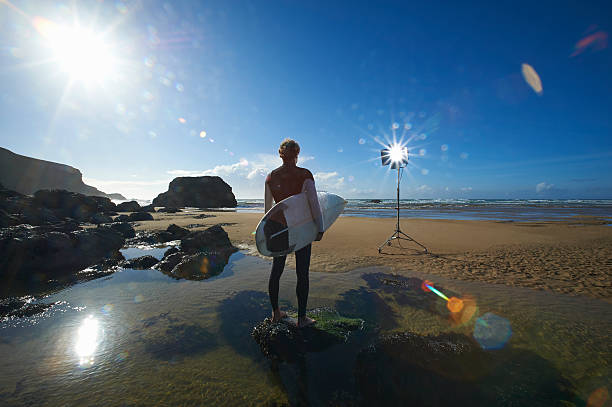
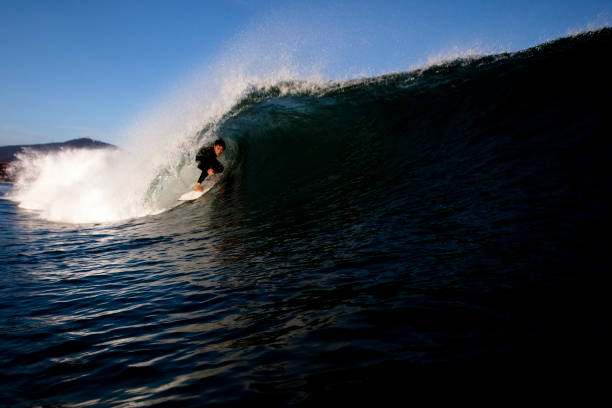
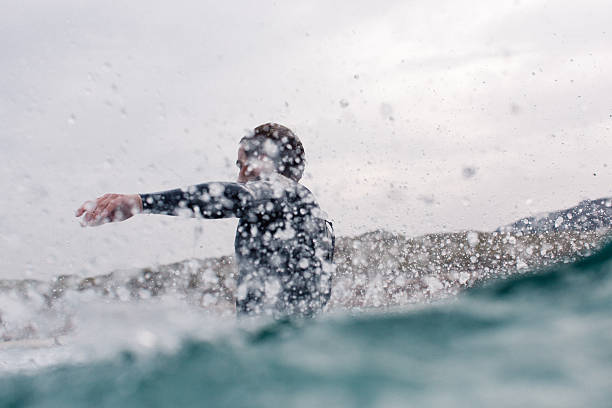
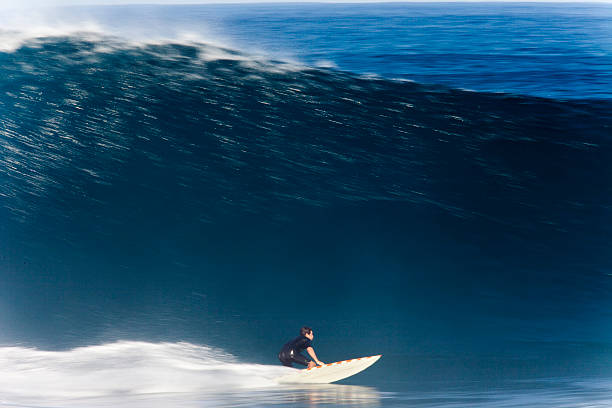
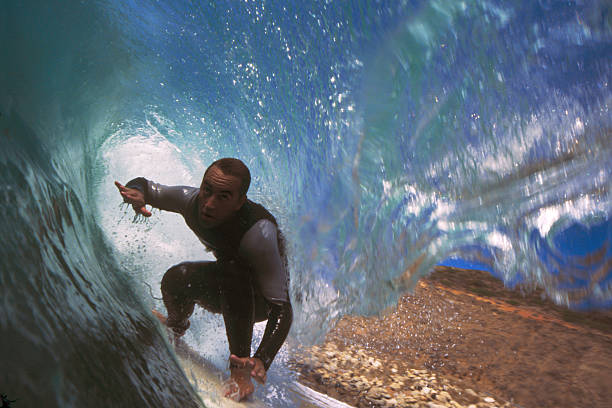
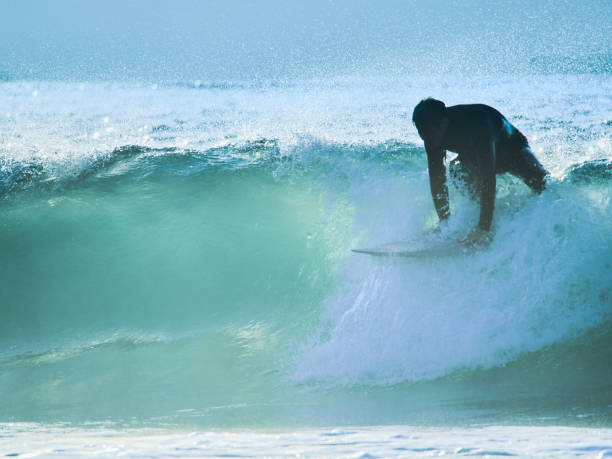
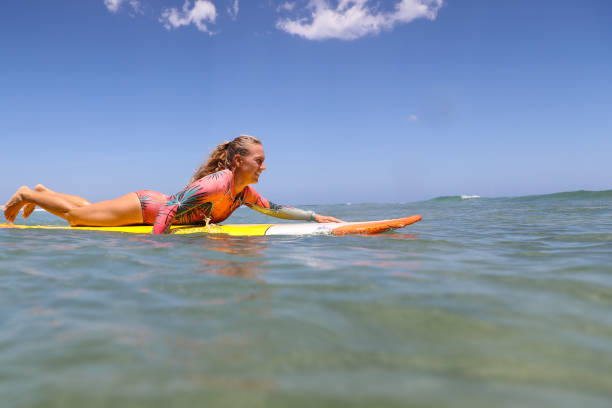
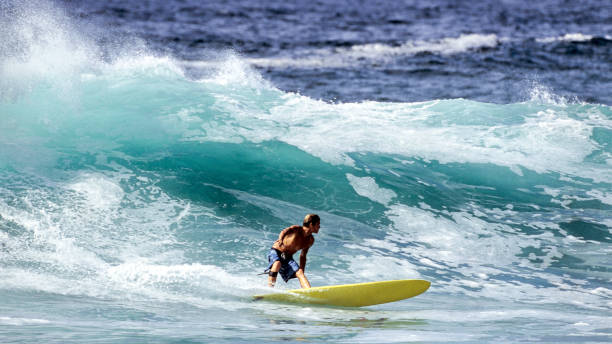
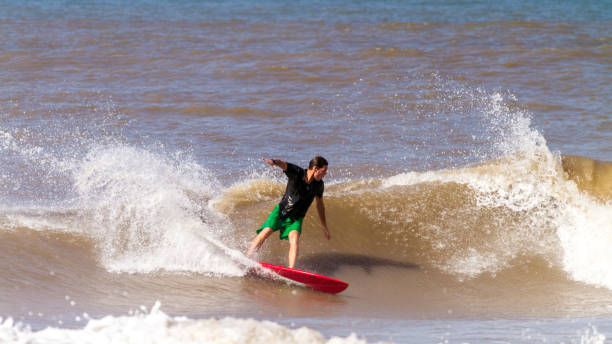
A killer shot captures the feeling. It’s the spray off the rail, the surfer’s style and expression, the way the light hits the water. Composition is key—using the rule of thirds, getting the right angle in the barrel, or showing the scale of a massive wall. It tells a story of power, grace, or pure stoke. A great photo makes you wish you were there, freezing a perfect, fleeting moment that’s gone in a heartbeat.

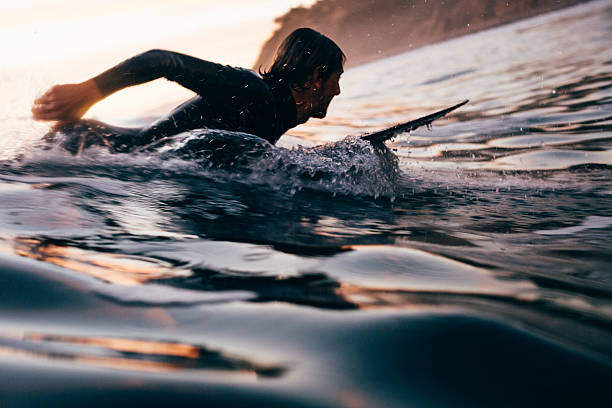
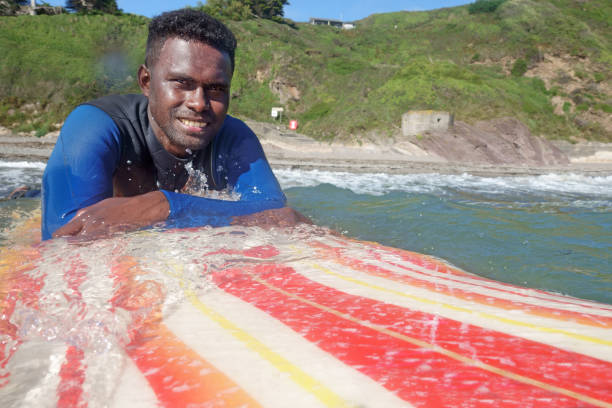
Chase the stoke. Shoot the grins in the channel, the pre-dawn paddle out, the weathered hands waxing a board. It’s not just the critical drop; it’s the lifestyle around it. Silhouettes against a sunset, friends sharing a wave, the concentration on a face. These moments show the soul of surfing—the connection, the freedom, the pure joy. It’s about documenting the vibe, not just the action.

Rinse everything with fresh water after every session, especially housing O-rings and latches. Use a soft, damp cloth for camera bodies and lenses—never wipe sand off dry! Keep gear in sealed bags or cases when not shooting. Silica gel packs in your bag fight moisture. And give your water housing a full service regularly, checking for any tiny leaks or wear. A little maintenance prevents a total wipeout of your expensive equipment.

Surf Culture & Community

Start simple and tough. A used GoPro in a housing is great for in-the-water practice. On land, a DSLR or mirrorless camera with a telephoto lens (like a 70-200mm) lets you shoot from the cliff or beach. Don’t blow your budget on pro gear immediately. Focus on learning to track a surfer and nail your focus. A decent, sand-resistant bag to carry your kit is just as important as the camera itself.

You need a fast shutter speed—think 1/1000th of a second or faster to stop the spray and movement. Use a wide aperture (like f/2.8 or f/4) to isolate your subject with a blurred background. Keep your ISO as low as possible to avoid grain, but don’t be afraid to bump it up on cloudy days. Shoot in continuous high-speed mode to capture the sequence of a turn or tube ride.

It’s a gray area, but the respectful approach is to make a connection first. Paddle out, say g’day, and ask if they’d like some shots. Most surfers are stoked. If you post online, tag them if you know their handle. For commercial use, you absolutely need a model release. Building relationships in the lineup is the best practice—it’s about community, not just taking. Respect goes a long way.