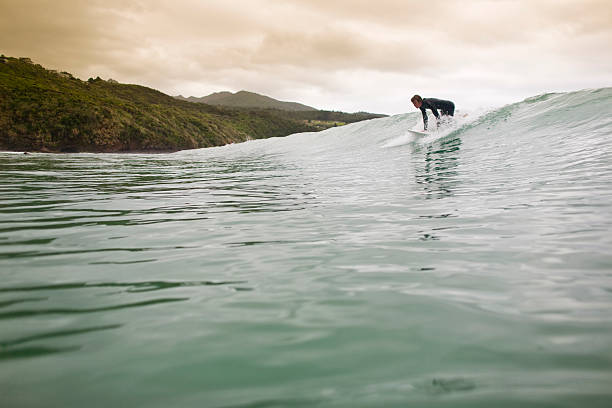
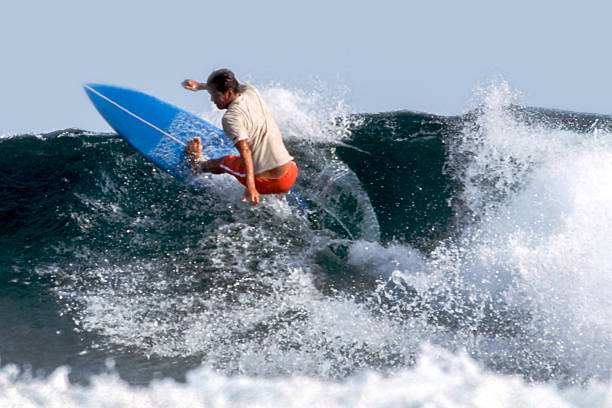
There’s nothing like the first glimpse of a heaving right-hander breaking over a coral reef you’ve traveled half a world to see. The stoke is real, the water is warm, and the lineup is nearly empty. But have you ever thought about the trail of jet fuel and plastic wrap you left behind to get there? That’s the side of surf travel nobody puts on the postcard, and we can’t ignore it any longer.
Chasing the endless summer comes with a heavy carbon footprint. Every flight to Indo, every boat ride to a remote island chain, every rental car full of boards adds up to greenhouse gases. And here’s the gnarly paradox: the waves we love are being shaped by a warming planet, yet the very act of visiting them makes that warmth worse. Swell patterns are shifting, reefs are bleaching, and some breaks are becoming less predictable. If we want to keep scoring perfect waves, we need to ride more responsibly. That doesn’t mean giving up travel. It means thinking smarter. It’s about being a good guest in the ocean’s house, not a reckless visitor.
Start with the biggest impact: the flight itself. Instead of taking three trips a year, save up for one long voyage. Stay a month or more. You’ll cut your per-day carbon emissions dramatically and get a deeper experience. Live like a local, rent a basic surf hut, cook your own meals, let the rhythm of the tide rule your days. When you stay longer, you produce less waste and truly connect with a place.
On the ground, your choices matter. Look for accommodations that run on solar power and recycle water. Many surf lodges already lead the way because they depend on healthy oceans. Support them. Skip the big resort chains that bulldozed the coastline. Seek out homestays and locally owned bungalows that put money into the community. That’s responsible surf tourism: making sure the people where you surf benefit from your visit.
Your gear is another chance to tread lightly. That new epoxy board might look sleek, but look for shapers using sustainable or recycled materials. Better yet, buy a used board from a local shop when you arrive. It saves on shipping and keeps money in the community. And ditch the single-use plastic. Carry a reusable bag for your trash and you’ll never leave a trace. Bring a refillable water bottle, pack bamboo cutlery, say no to tiny shampoo bottles. Every plastic straw in the sea is junk in a lineup we all share.
Sunscreen is a sneaky culprit. Oxybenzone and octinoxate bleach coral reefs, and those reefs build the waves we ride. Choose a reef-safe zinc option. Slather it on before paddling out. Simple things also help: rinse your gear with fresh water, never leave wax or fin keys on the sand.
Respecting culture is as important as protecting the environment. When you show up to a remote village, you’re a guest. Respect local rules, follow surf etiquette, never push into a crowded lineup like a kook. Learn a few words of the language, tip your boat captain well, support local businesses. The relationships you build will enrich your trip, and the community benefits from your presence. If you see a local conservation group, offer time or a donation. Even an afternoon picking up trash makes a difference. That kind of connection turns a trip into a lifelong bond with a place you’ll want to protect.
Finally, think about what you leave behind. Pack out everything you packed in, including fishing line and wax wrappers. Respect wildlife, keep distance from turtles, never touch coral. If you see someone leaving trash, say something kindly. The ocean is a shared resource. With the rise of surf tourism, some pristine breaks are getting crowded. Set an example.
The perfect wave is out there, always calling. But the path to it doesn’t have to be paved with carbon and waste. By making smarter choices, staying longer, and leaving no trace, we keep the stoke alive for every surfer after us. That’s the real aloha. It’s a way of moving through the world with gratitude and respect. So pack your reef-safe sunscreen, check your gear, and remember: the wisest surfer leaves no trace.