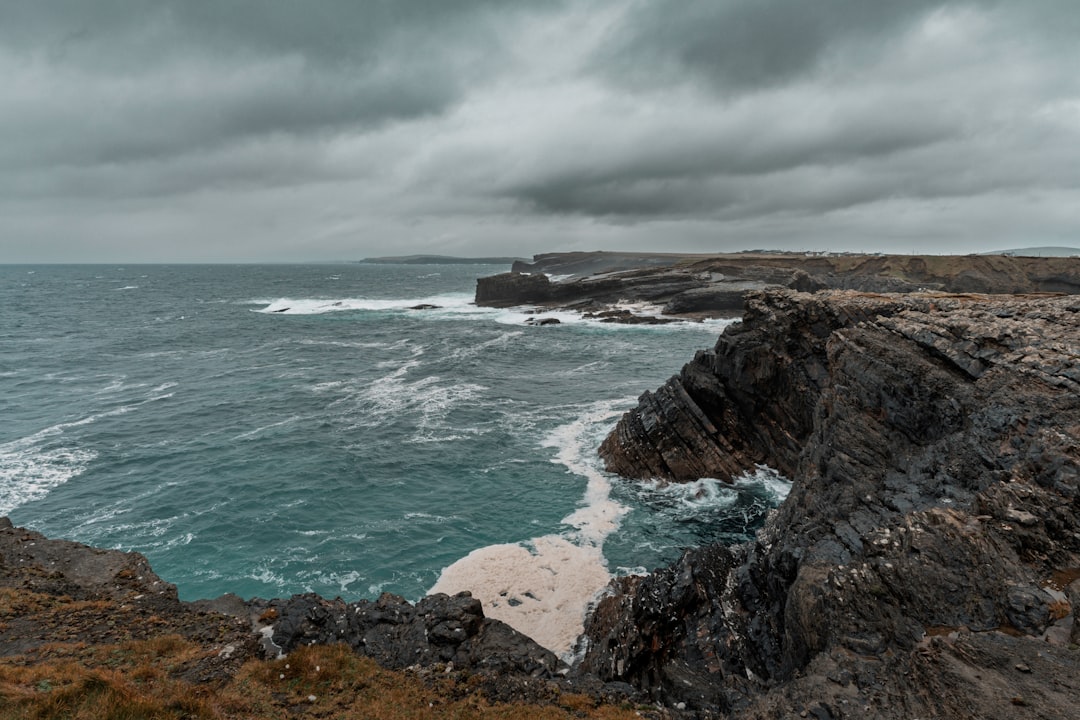
Ireland's Wild Atlantic Waves
Live Surf Cams

Surfline Live is a 24/7 glimpse into the world’s surf.

This stream moves through Surfline's global camera network, showing spots where it’s daylight and rated Fair or better.

What's The Deal With...?

Surf Travel Adventures

What are “shoulder seasons” and why are they rad?

Shoulder seasons are the months flanking the peak season. Think fall and spring. They’re rad because you often get a mix of swells—last of the summer south swells and the first of the winter north swells (or vice versa). The crowds are thinner, accommodations are cheaper, and the water’s often still warm. You might not get the most consistent epic swell, but you’ll get more variety and a more relaxed vibe in the lineup.

What’s the deal with surf camps? Are they budget-friendly?

Surf camps can be a rad value, especially for beginners or solo travelers. The price usually bundles lodging, meals, coaching, and sometimes transport—simplifying everything. For the independent surfer, they might feel pricey. Do the math: compare the camp cost to arranging everything yourself. Off-season or last-minute deals can make camps a steal. They’re awesome for instant community and local knowledge, which is priceless.

How can I score cheap flights to surf destinations?

Ditch the direct flights and get flexible, brah. Use flight comparison sites and set up price alerts. Consider flying into bigger hubs and taking a local bus or shuttle to the coast. Traveling in the shoulder season—just before or after peak—is a total game-changer for savings and less crowded lineups. A little research goes a long way in keeping your travel fund fat for more important things, like board repairs and post-session noms.

Surfboard Evolution

What’s the deal with different surfboard materials, bro?

It’s all about the vibe you want. Traditional polyurethane foam and fiberglass with polyester resin (PU/PE) is the classic feel—flexy and responsive. EPS foam with epoxy resin is lighter, stronger, and floats better, which is awesome for smaller waves or if you’re just getting your feet wet. Epoxy boards can feel a bit stiffer, but they’re crazy durable. Then you’ve got soft-tops (foamies) for total beginners. Each combo changes how the board paddles, turns, and feels under your feet.

Are single-fin longboards just for old guys and beginners?

No way, brah! The single-fin log is a timeless tool that teaches you everything about trim, line, and style. It’s not about massive turns; it’s about mastering the art of walking the nose, doing a cheater five, and feeling the glide. That one big fin provides a pivot point for classic, soulful turns and incredible stability. Riding one connects you to the roots of the sport and will 100% improve your wave-reading and footwork on any board.

Why were the boards so dang long back then?

Simple: foam and technology, dude! They were made from polyurethane foam blanks wrapped in fiberglass and resin—a huge leap from the ancient, heavy wooden planks. The length and volume gave them stability and paddle power, which was key because wave knowledge and forecasting were primitive. You needed a boat to catch anything! These logs were the original wave-catchers, letting surfers glide with a smooth, flowing style that defined the era’s aesthetic. They were the ultimate vehicles for cruising.