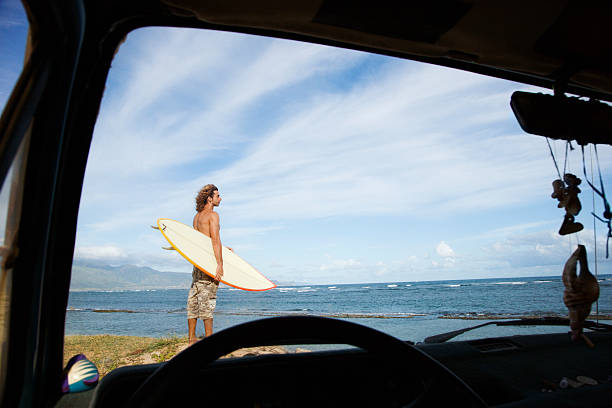
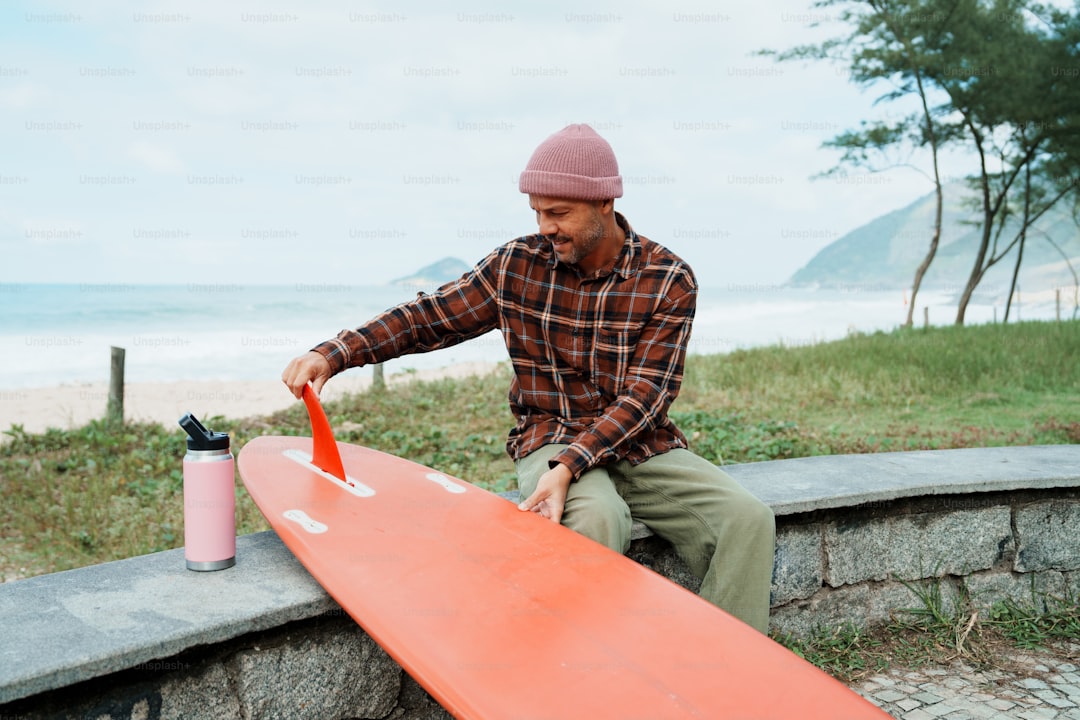
There’s a certain kind of madness that sets in when you pull on a 5/4 wetsuit at dawn on a county Clare beach, with hail stinging your cheeks and the Atlantic roaring like a caged beast. And yet, that madness is the purest form of stoke I know. Ireland’s west coast isn’t the kind of place that promises glassy perfection or warm, caressing water. It doesn’t need to. It offers something far more profound: a raw, honest dialogue with the ocean that strips away all the frills and leaves you bare, cold, and utterly alive. This is the wild Atlantic, and it has its own rhythm.
For the surfer raised on the golden dreams of The Endless Summer, Ireland might seem like an afterthought, a cold grey footnote in the global surf atlas. But for those who’ve traded board shorts for booties and a hood, it’s a revelation. The west coast, from Donegal’s quiet reefs down to the big cliffs of Sligo and the slabs of Clare, is a chain of raw energy. The North Atlantic sends its swells across thousands of miles, unbroken because there’s no shallow continental shelf to trip them up. That deep-water swell arrives with a distinct pulse, folding over reef ledges and sandbars with a power that humbles even the most seasoned charger.
The conditions are a whole other beast. There’s a reason locals joke that summer is the best day of winter. You’ll learn to read the sky, the wind, the tide, all while your hands go numb and your face becomes a block of ice. A good day here might have eighteen solid knots of onshore wind, a building swell, and visibility measured in boat lengths. And you’ll paddle out anyway, because that’s what the Atlantic demands. There’s a term we use: “cold water stoke.“ It’s the warm inner fire that ignites when you duck-dive under a churning wall of whitewater and surface to see the sun break through slate clouds, painting the cliffs in silver. It’s not about comfort. It’s about connection.
The people you meet in the water are part of that connection. Surfers in Ireland are a tight bunch. They’re not chasing fame or glory; they’re chasing a feeling. You share a lineup with a farmer from Ballybunion, a guide from Bundoran, a schoolteacher from Lahinch. The stoke is communal. There’s no aggro lineup drama, just a shared understanding that we’re all a little nuts for being out here in the first place. You’ll hear terms like “clean face” and “hollow bowl” thrown around in thick accents, and you’ll nod along, knowing they mean the same thing in any language: a wave worth the wait.
Traveling the west coast of Ireland is a pilgrimage. You’ve got the famed “Thrones” of Portrush, the reliable points of Rossnowlagh, the demanding reefs of Easky, and the secret coves that you’ll only find if you ask the right person in the right pub. The cliffs themselves are characters in this story. The Cliffs of Moher tower over the water like stoic guardians, and the swell wraps around them, producing takes that are as terrifying as they are beautiful. You learn to paddle with your heart in your throat, because there’s nowhere to run when a set swings through the reef.
But perhaps the biggest lesson Ireland teaches you is patience. Swells come and go, and sometimes they don’t come at all. You’ll wait three days for a window of clean weather, and when it finally arrives, it might be blowing forty knots. That’s the gamble. That’s the dance with the wild Atlantic. And when you finally catch that one wave – that dark, glassy, seemingly impossible wave that welds your soul to the board – all the waiting, the frostbite, the endless cups of strong tea, it all pays off in a single, fleeting moment of grace.
The endless summer isn’t a place. It’s a state of mind. And Ireland, in all its grey and green glory, proves that you don’t need equatorial sun to chase it. You just need a stout heart, a thick wetsuit, and the willingness to answer when the Atlantic calls. That call is raw, ancient, and impossible to ignore. So paddle out. Shiver, smile, and let the wild west reshape everything you thought you knew about surfing.