Surf Lifestyle & Travel

Live Surf Cams

Surfline Live is a 24/7 glimpse into the world’s surf.

This stream moves through Surfline's global camera network, showing spots where it’s daylight and rated Fair or better.

What's The Deal With...?

Surf Lingo Explained

How do I respectfully surf a new spot when I’m traveling?

It starts with observation. Sit and watch for a while—see who’s out, where the take-off zone is, and how the locals flow. Don’t just paddle straight to the peak. Give respect to get respect. A friendly nod goes a long way. Follow the lineup hierarchy, don’t drop in, and be humble. You’re a guest in their lineup. Showing that you understand the vibe is the key to scoring good waves and maybe even making a few new friends in the water.

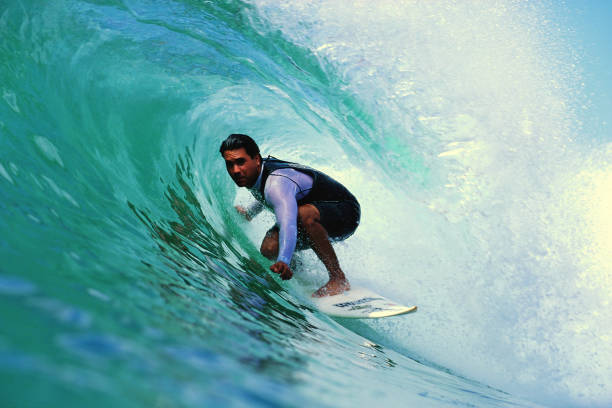
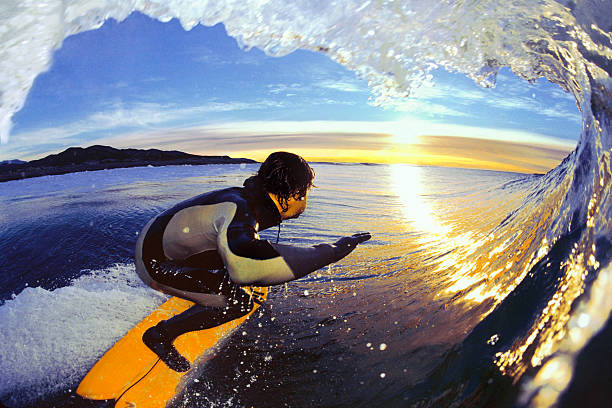
Is it better to pull in or get a “pig-dog” stance in the barrel?

It depends on the wave and your style! Pulling in, standing tall, is classic for more open barrels, giving you control and vision. The pig-dog (grabbing rail, crouching low) is for super hollow, pitching waves where you need to get low and compact fast to fit under a tight lip. It helps with stability and staying in the critical section. Neither is “better.“ It’s about what the wave demands and what feels right. Try both and see what gets you deeper and more in control on different days.

How do I stop nosediving every time I try to catch a wave?

You’re likely too far forward on your stick or trying to catch waves that are already too steep. Scoot back a bit on your board to keep the nose from pearling. More importantly, start paddling earlier, the moment you feel the wave lift your tail. You need momentum to match the wave’s speed. Think “paddle hard, then pop” rather than just hoping the wave will do the work for you. It’s a timing and positioning game that every surfer has to dial in.

Surf Lingo & Slang

How do I progress from kook to competent surfer?

Commit to water time, even when it’s small or messy. Get the right board—often a funboard or mid-length—to help you catch more waves and learn to turn. Watch tutorials, but more importantly, watch the water. Study how rippers position themselves. Focus on one skill at a time: paddling, pop-up, bottom turn. Fitness helps massively. And always, always practice wave etiquette.

What’s the main difference between a kook and a ripper?

A kook is a beginner who, often unknowingly, breaks surf etiquette and looks awkward in the water. A ripper is a skilled surfer who makes advanced maneuvers look easy, respects the lineup, and truly understands the ocean. It’s not just about skill level; it’s about attitude and respect. Everyone starts as a kook, but the goal is to progress towards being a competent, respectful surfer—whether you ever become a full-blown ripper or not.

What’s the real difference between a “closeout” and a “makeable section”?

A closeout is when the wave breaks all at once, left and right, leaving you no open face to ride. It’s a dead end. A makeable section is a part of the wave that’s just about to pitch, giving you a chance to maneuver past it, either with a bottom turn or a bit of speed. Reading this is key. You want to aim for waves that peel, not ones that slam shut all at once.