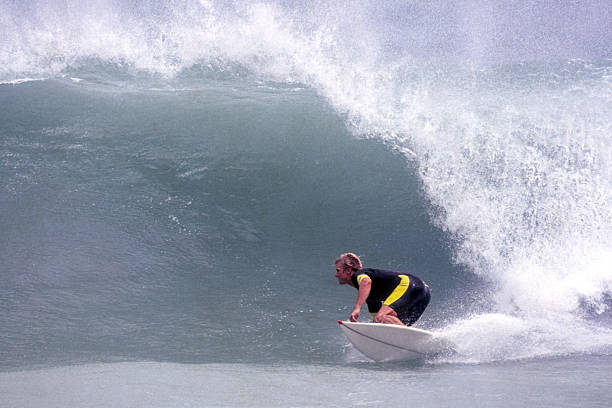
Back in the day, before foam core boards and thruster fins were even a whisper in the shaping bay, surfers paddled out in whatever they had. Cut-off jeans, wool trunks, even old gym shorts that turned into soggy anchors the second you hit the water. The whole scene was more about stoke than style, but man, did those cotton baggies chafe. Fast forward a few decades, and the boardshort has become the unsung hero of surf apparel—a piece of gear that has to look good on the beach, perform in the pit, and dry out before the next session. It’s a story of how function and fashion collided, and the result is a staple that every surfer, from the knee-high grom to the grey-beard at the point, can’t live without.
The real turning point came in the late 1970s and early 80s, when surf brands like Quiksilver and Billabong started experimenting with materials and cuts. Cotton was out. Nylon and polyester blends came in, and suddenly a pair of trunks could shed water instead of holding a gallon of ocean inside. The famous two-tab fly system, velcro closure, and key pocket became the standard. But it wasn’t just about drying fast. The length mattered too. The longboard revival of the 90s pushed for a baggier, more retro look, while shortboard rippers went for a shorter, tighter cut that wouldn’t drag when you were trying to stomp a vertical re-entry. Every crew had its flavor. The O’Neill Superfreak, with its built-in neoprene waistband, was a game-changer for guys who hated hearing their trunks whistle as they pearled down the face.
Then the 2000s rolled in, and technology went full-throttle. Brands started weaving recycled plastic bottles into the fabric, making eco-friendly boardshorts that didn’t sacrifice performance. Patagonia led the charge with their Yulex rubber and reclaimed nylon, proving you could be green without looking like you were wearing a burlap sack. Meanwhile, companies like Hurley and RVCA pushed the style envelope with bold prints, tie-dye throwbacks, and artist collaborations that made boardshorts as much a statement as a piece of equipment. The rise of the “performance fit” brought about four-way stretch material, seamless gussets, and even hydrophobic coatings that made water bead up and roll off like wax on a freshly glassed longboard.
Today, the average surfer has more options than a pro team manager at a trade show. You’ve got the classic 20-inch inseam for those who like freedom of movement when they’re paddling out through the shorebreak. You’ve got the 18-inch technical cut for guys who want zero drag when they’re pumping down the line. And you’ve got the oversized, knee-length “dude” trunk for the beach crowd who cares more about the bonfire than the break. But here’s the thing—no matter the length or the label, every boardshort shares a sacred duty: it has to stay on when you’re getting worked in the foam. The drawstring, the zip fly, the double velcro flap—these aren’t just features, they’re your line of defense against the most embarrassing walk of shame back up the beach.
Style and function have always been in a dance, and boardshorts are the perfect example. A flashy Hawaiian print might catch the eye in the parking lot, but if it’s still soaked halfway through your second session, you’ll swap it out for a matte black performance pair faster than you can say “shorebreak.” That’s why the best surf apparel companies—the ones that earn respect—never sacrifice one for the other. They test their trunks in the same water we paddle. They know that a side pocket sits fine until you’re trying to fish out a wax comb during a lull. They know that a waistband that digs in after an hour of sitting on your board will ruin the whole session.
So next time you slide into your favorite pair, take a second to appreciate the evolution. From denim rags to high-tech stretch fabric, the boardshort has surfed the same wave of innovation that carried our sport from the backyard to the global stage. It’s still just a pair of shorts, but it’s also a badge. A symbol of the endless summer, of chasing swells and sunsets, of the salty, stoked-out life. Wear ’em loose, wear ’em tight, wear ’em loud or low-key—but above all, wear ’em dry.