Surf Gear & Brands

Live Surf Cams

Surfline Live is a 24/7 glimpse into the world’s surf.

This stream moves through Surfline's global camera network, showing spots where it’s daylight and rated Fair or better.

What's The Deal With...?

Surf Icons & Heroes

What’s the best way to honor Duke’s spirit when I surf?

Spread aloha in the lineup! Be friendly in the water, share a few waves, and help a grom or a kook in a pinch. Ride with a sense of joy and respect for the ocean’s power. Maybe even take a moment on your board to appreciate the lineage—from the ancient Hawaiians to Duke to you. Keeping that positive, inclusive vibe alive is the ultimate tribute. After all, Duke was all about the stoke, and passing that on is what keeps surfing truly golden.

Who was Eddie Aikau and why is he a legend?

Eddie was a true Hawaiian waterman, the first official lifeguard at Waimea Bay who saved over 500 lives. His legend is built on his fearless charging of massive waves and his unwavering spirit. The famous saying, “Eddie would go,“ came from his willingness to paddle out when no one else dared. He tragically disappeared during the voyage of the Hokulea in 1978, but his legacy lives on as the ultimate symbol of courage, skill, and aloha in big wave surfing.

What makes John John’s air game so next level?

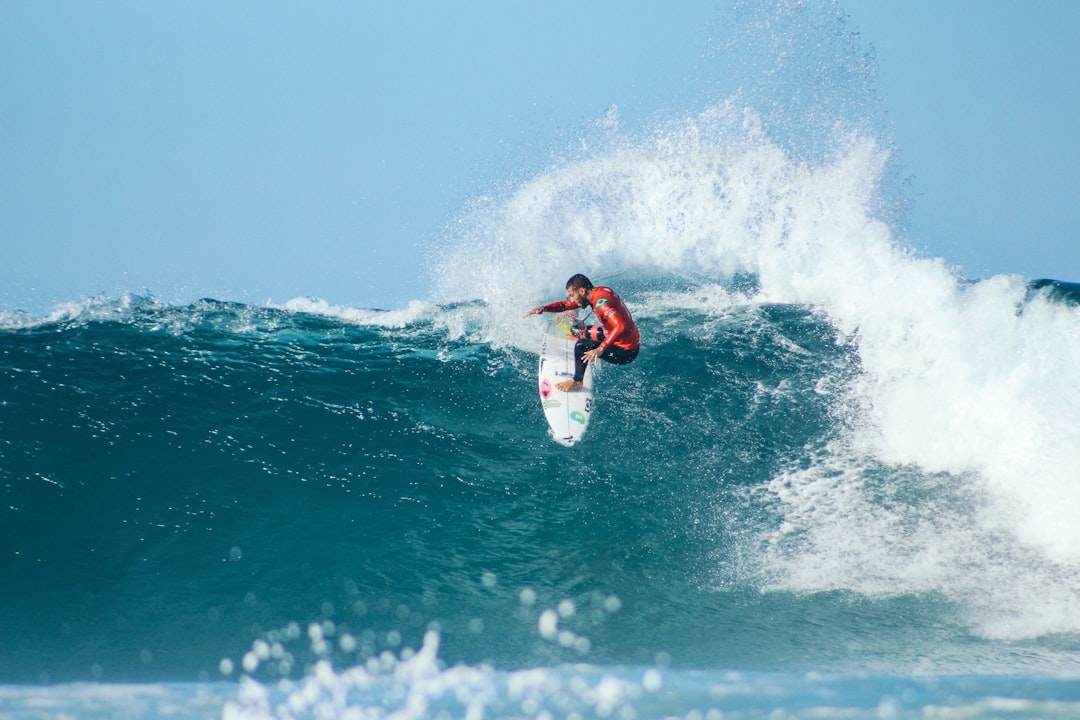
Dude, it’s the combo of pure commitment and style. He doesn’t just launch; he floats. John John finds sections other surfers don’t even see, using his deep rail game to generate insane speed into the lip. Then, it’s all about board control mid-air—whether it’s a massive alley-oop or a tweaked-out grab, he makes the impossible look smooth. It’s progressive surfing rooted in classic power. Watching him is a masterclass in using the wave’s whole energy to get sky-high.

Surf Technique Deep Dive

How can I use sets to find the best take-off spot?

The peak—where the wave first starts to break—shifts with each set. Watch where the biggest wave of a set consistently starts to feather and pitch. That’s your target. Paddle to that general area and adjust based on what you see forming on the horizon. The lineup isn’t a fixed point; it’s a moving zone that changes with the tide and swell. Follow the sets, and you’ll find the sweet spot.

What’s a “set” and why should I care?

A set is a group of waves that roll in together, usually bigger than the lull waves in between. Spotting them is key because it tells you when the good stuff is coming. Paddling out? Time your dash for the lull. Sitting on the lineup? It tells you when to get ready for a bomb. Ignoring sets means you’ll get caught inside, waste all your energy, and miss the best rides. It’s the ocean’s rhythm, dude—sync up with it.

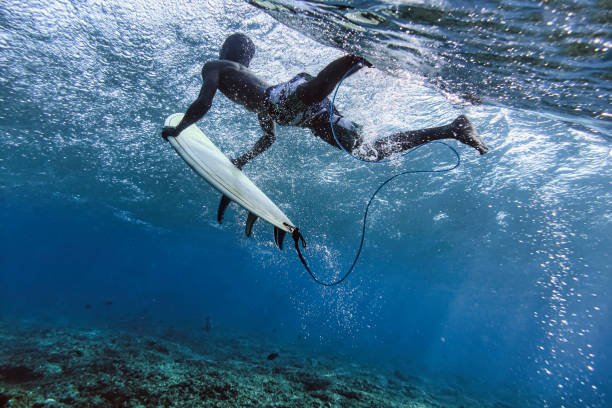
Can a good duck dive help me catch more waves?

Abso-bloody-lutely. A smooth, efficient duck dive means you get out back faster and with less gas in your tank. You spend less time battling the impact zone and more time lined up in the take-off spot. When a set comes, you’re not gassed from being pummeled—you’re ready to spin and go. It also lets you hold your position in a critical lineup instead of getting swept inland. It’s not just defense; it’s offensive wave-catching strategy.