

All Articles

Live Surf Cams

Surfline Live is a 24/7 glimpse into the world’s surf.

This stream moves through Surfline’s global camera network, showing spots where it’s daylight and rated Fair or better.

What’s The Deal With…?

Surf Travel Adventures

Communication is key. Agree on a specific, easy-to-spot meeting spot on the beach. More experienced surfers can take turns watching the groms from the shore. Consider splitting up for a session—one parent hits the lineup while the other helps the kids in the whitewater. Everyone should know their limits and respect the ocean. Sometimes, the best session is just bodysurfing together in the shore break.

The town has heaps of options, from backpackers to guesthouses, many with epic views of the break. Staying somewhere within walking distance of the point is ideal for dawn patrols and quick checks. The town itself is super surf-centric, with great cafes, board shops, and a mellow atmosphere. It’s the perfect base to rest, refuel with a post-surf burger, and swap stories about that insane section you made (or didn’t make).

It’s all about visual learning, bro. By watching how pros read a lineup, position for takeoffs, and navigate sections, you absorb their rhythm. You see different styles—from powerful carves to smooth flow—and can mentally practice. Docs often break down wave mechanics and board design, helping you understand the why behind the ride. It’s like a free coaching session from the greats, building your ocean knowledge and giving you new ideas to try next session.

Surf Gear Essentials

Start with one good daily driver that works in most local conditions—often a funboard or a beefier shortboard. As you get more dialed in, you’ll want to add specialized sticks. A classic three-board quiver might be: a performance shortboard for good days, a step-up for bigger waves, and a fish or small-wave board for the weak days. It’s about having the right tool for the job, so you’re never skunked.

Size matters, but it’s not just about height. Fin size (often based on your weight) affects the amount of hold and drive. Too small, and you’ll feel sketchy and slide out. Too large, and the board can feel stiff and tracky, resisting quick direction changes. Most manufacturers have weight charts—use them as a starting point. Your style matters too: a more aggressive surfer might size up for control, while a flowy surfer might size down for looseness.

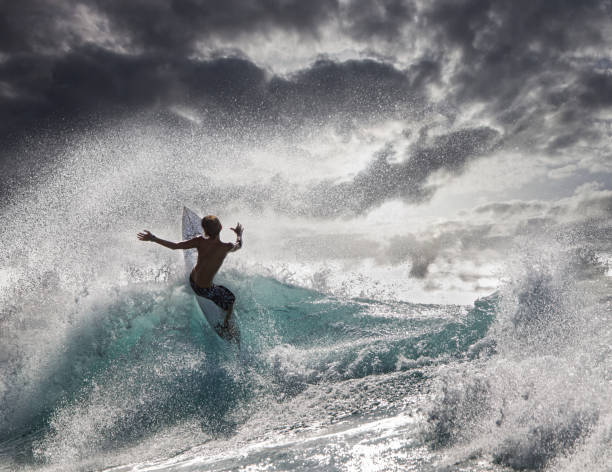
That it’s all about ego or being a daredevil. In reality, it’s the opposite. The best big wave surfers are calculated, patient, and incredibly disciplined. It’s not about reckless bravery; it’s about years of preparation, profound ocean knowledge, and managing fear. The goal isn’t just to survive but to perform with style and control on a moving mountain of water. It’s a deep, almost spiritual pursuit that combines athleticism with a profound connection to the raw power of nature. Pure commitment.