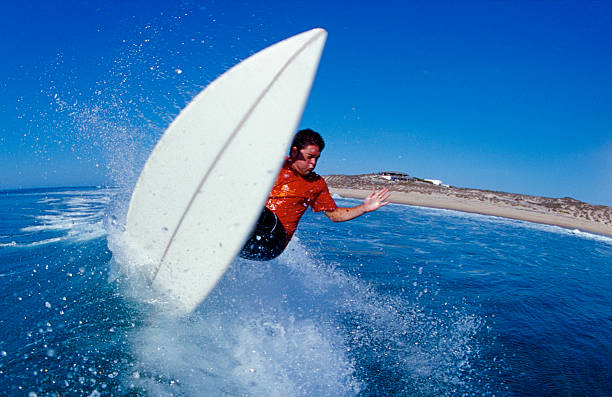
Every surfer knows the moment. The wave pitches, your fins lose grip, and the ocean grabs you like a big brother in a headlock. You’re airborne, then underwater, then tumbling through a spin cycle that makes a washing machine look like a gentle bath. That’s the wipeout. And let me tell you, bro, it’s not a failure. It’s a rite of passage.
We call it eating it, getting smoked, going over the falls. The lingo alone shows how much we love to hate it. But here’s the thing – the wipeout is where the real learning happens. You can watch all the tutorial vids, study the lineups, and wax your board till it looks like a snow cone. But until you’ve been held down by a set wave and felt your lungs start to flirt with panic, you don’t truly understand the ocean. You’re just a visitor. A wipeout makes you a local.
There’s a physics to it, too. When a wave breaks, it releases a ton of energy. Your board is a lever. The lip is a hammer. And you, my friend, are the nail. The best surfers in the world still get hammered. Kelly Slater has eaten more sand than most beach resorts. But what sets them apart isn’t the absence of wipeouts – it’s how they handle the aftermath. They come up laughing, shaking out their ears, and paddling right back out. That’s the stoke.
Now, there are wipeouts and there are WIPEOUTS. A regular wipeout is when you lose your balance and slide off the back. No big deal. A gnarly one is when you get pitched over the lip and rag-dolled into the reef. That’s the kind that keeps you humble. And then you’ve got the hold-down – the ocean’s version of a timeout. You’re underwater, the wave is stacking on top of you, and you have no idea which way is up. That’s when you learn to trust your instincts. Don’t fight it. Let the rumble take you. The ocean always lets go.
Learning to fall safely is an art. You never want to dive headfirst into a shallow sandbar. You tuck your body, protect your noggin, and keep your hands over your face. You try to land flat, like a starfish, to spread out the impact. And you always, always keep one foot on the board for as long as you can – because sometimes that tenuous balance is all you’ve got against the maw of a thumping closeout.
But beyond the physical, the wipeout is a mental workout. It teaches you fear, which is good. Fear keeps you alive. It also teaches you to breathe, to stay calm, to count the seconds under a churning whitewash. The ocean’s turbulence sounds like a freight train, but if you zen out, you can feel the tug of your leash and the pull of the surface. That calm is what separates a panicked flailer from a seasoned lifer.
Every surfing legend has a wipeout story. The infamous Teahupoo hold-downs. The Phantasm at Jaws. Even the gentlest point break on a summer morning can deliver a surprise lip to your face. The point isn’t to avoid them. The point is to embrace them. When you wipe out, you’re actually being taught. The ocean is your instructor, and the fall is your lesson plan.
So next time you’re paddling out and see a set building, don’t cringe. Get frothy. Because a wipeout is a sign you’re pushing your limits. If you’re never falling, you’re never growing. And if you’re never growing, you’re just a kook with a board that’s too expensive.
Remember the words of the late, great doc in the lineup: “The best surfer is the one having the most fun.“ And nothing brings a grin to your face faster than popping up from a thunderous wipeout and realizing you’re still alive. That’s the true gift. The wipeout strips away all ego and leaves you with pure, raw ocean respect.
So go ahead. Paddle into that closeout. Take off on that barrel that’s just a little too shallow. Stick your head into the washing machine and come out the other side with sand in your ears and stoke in your heart. The wave might beat you, but it’ll never break you. And that’s the very soul of surfing.