US Surf Spots: Coast to Coast

Live Surf Cams

Surfline Live is a 24/7 glimpse into the world’s surf.

This stream moves through Surfline’s global camera network, showing spots where it’s daylight and rated Fair or better.

What’s The Deal With…?

Surf Lifestyle & Travel

Stay flexible! Have a general route, but let the forecast be your guide. Use reliable apps to track swell, wind, and tides. Have spots in mind for different swell directions. Pack a versatile quiver—a good shortboard and a fish or mini-mal. Embrace the adventure: some days you’ll score, others you’ll get skunked. Talk to locals in shops, they often have the best beta. Remember, it’s about the journey, the new lineups, and the stories, not just perfect waves every single day.

Hang back and observe first. Watch the lineup hierarchy, see where the peak is, and identify the locals. Don’t just paddle straight to the front. Wait your turn, respect the rotation, and absolutely never drop in. A friendly nod goes a long way. If you’re visiting, act like a guest—don’t snake waves or act aggro. Earning respect by showing you understand the rules means you’ll get more waves and better vibes in the long run. It’s all about sharing the stoke, not hogging it.

Swell direction is everything—it’s the map to where the wave energy will actually hit. A spot can be totally flat on one swell and firing on another. Each break has a “window” it likes. For example, a southeast swell might light up Florida, while a west swell leaves it dead. Checking the direction on your surf forecast tells you which spots will have the energy wrapping into them. It’s the difference between a wasted drive and scoring an empty, glassy peak all to yourself.

Surf Lifestyle & Travel

Focus on cardio and explosive power. Swimming is gold—it builds paddle endurance and breath control. Burpees, box jumps, and lunges mimic popping up. Yoga is huge for flexibility and breath-holding (pranayama). Don’t neglect your mental game: visualize your take-offs and rides. A balance board or Indo Board at home helps with stability. When you finally get to the coast, you’ll be ready to handle the extra power and hold your breath if you get worked. It’s all about preparation meeting opportunity.

East Coast waves are often weaker and mushier, so you’ll want more foam—think funboards or high-volume shortboards to catch everything. West Coast power demands performance: go for a good shortboard for punchy beach breaks or a step-up for bigger, hollow days. For Hawaii’s heavy reefs, you need a board with serious hold—a gun or a dedicated big-wave sled. Always consider your local break; a quiver isn’t a brag, it’s just smart surfing to match your stick to the conditions.

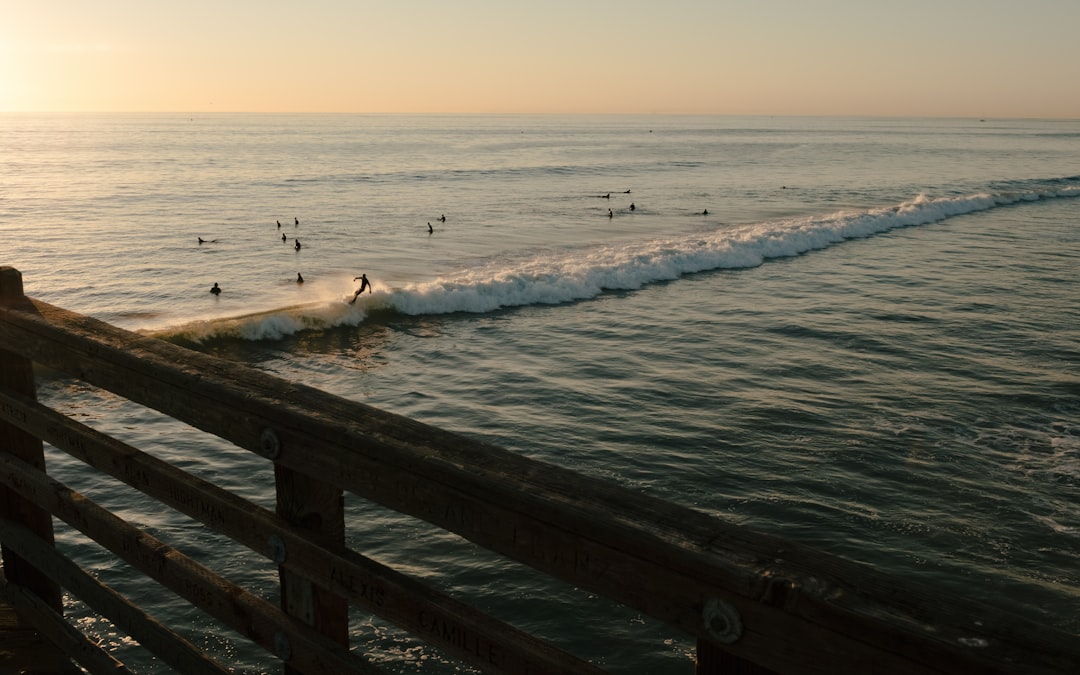
The main rule is simple: the surfer closest to the peak has the right of way. Don’t drop in! Paddle around the break, not through where people are riding. Don’t be a wave hog; share the set waves. Apologize if you mess up. Snaking and burning are major no-nos. Respect the locals who surf there daily. It’s about safety and fairness, keeping the vibe positive so everyone can enjoy their session. A chill, respectful lineup is always better than a tense, competitive one.