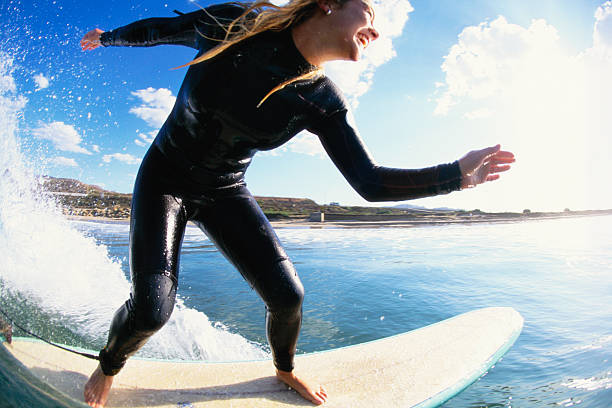
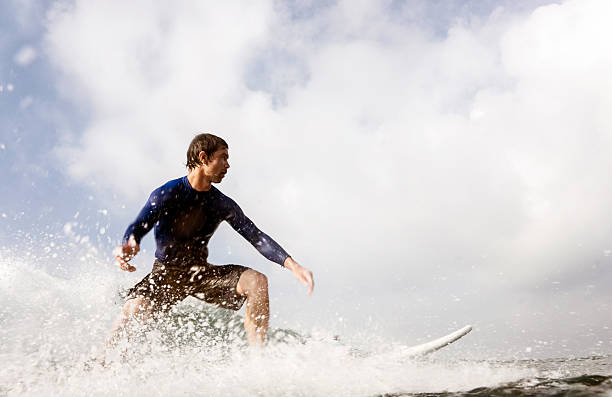
When the horn blows, most folks see a blur of spray and a frantic search for the next shoulder. But any salty veteran knows a contest heat is a different ocean. It’s a silent conversation between the surfer, the sea, and a panel of judges who score what they feel as much as what they see. The thrill isn’t just the aerial or the deep barrel. It’s the chess match of positioning, the zen of patience, and the raw nerve to commit when the waves go fickle.
You got priority early, but that’s a double-edged sword. Hoard it too long and the clock eats you alive. Burn it on a sloppy reform and you’re begging for a miracle on the back end. The real pros treat the lineup like a chessboard. They know the sandbar’s heartbeat, how the sets pulse through the tide, and exactly where the peak will jack up for that cover-up. Meanwhile, rookies paddle frantically, throwing up their fins like they’re waving a white flag. The ocean rewards the calm mind, not the busy body.
Wave selection is the secret language of the heat. A six-foot frothy closeout looks tempting to the crowd, but the surfer chasing a 9.0 knows better. They’re waiting for that beast with a clean face, a mellow takeoff, and a long racetrack down the reform. That’s when they stroke in with purpose, drop in bottom-to-top, and lay a carving turn so deep the fin screams. The judges are looking for commitment, power, and flow, not just a sprayy snap that ends in a whitewash flail.
And then there’s the mental game. You’ve seen it from the beach: a surfer bobbing in the channel, eyes locked, but inside their brain is a cyclone of doubt. “What if I don’t get another set? Should I take this left that closes out? Did I blow my best one already?“ The greats silence that chatter. They breathe with the swell, moving like a seal between sets, conserving energy, staying fluid. When they finally catch that gem, they surf with an almost detached looseness, as if the heat is just a point in a longer ride.
The judging criteria have evolved, too. It’s not just about radical maneuvers anymore, though aerial antics still raise the roof. These days, judges reward a blend of speed, flow, and radicalness, but they also whisper about “utility” and “progression.“ A surfer who links two massive carves with a backhand snap and then gets barreled on the next section scores more than a kamikaze who flips and flops. The connection between sections, the seamless flow from turn to tube, that’s the poetry that gets the 9.5. Numbers can’t capture the soul of a carve, but they come close.
But let’s not forget the crowd factor. A heat with a few locals in it has an undercurrent of tension thicker than a west coast fog. Local surfers know every ripple, every rock, every tide trick of their home break. They’ll drop in on you without thinking, then claim the wave like they were waving from a yacht. That’s where the etiquette gets gnarly. Contest rules say you miss a wave once you’re up, but in the heat of the moment, blood runs hot. The best competitors don’t fight it. They use it. They let the locals burn energy on trash waves, then pick their spots like a patient leopard. And when the final horn sounds, all that tension evaporates into froth and cheers.
At the end of the day, a contest is just a compressed heartbeat of the surf life. It strips away all the lazy hours of sitting in the lineup, the endless paddle-outs, the thousand mediocre rides, and boils it down to thirty minutes of pure pressure. That thrill, that electric tension, is why we gather on the sand, why we holler when a purple bullet peels down the line. It’s not about the trophy. It’s about that moment when your body and board become one with the swell, and every choice matters. That’s the endless summer’s sharpest edge, the heat that burns bright even when the sun goes down.