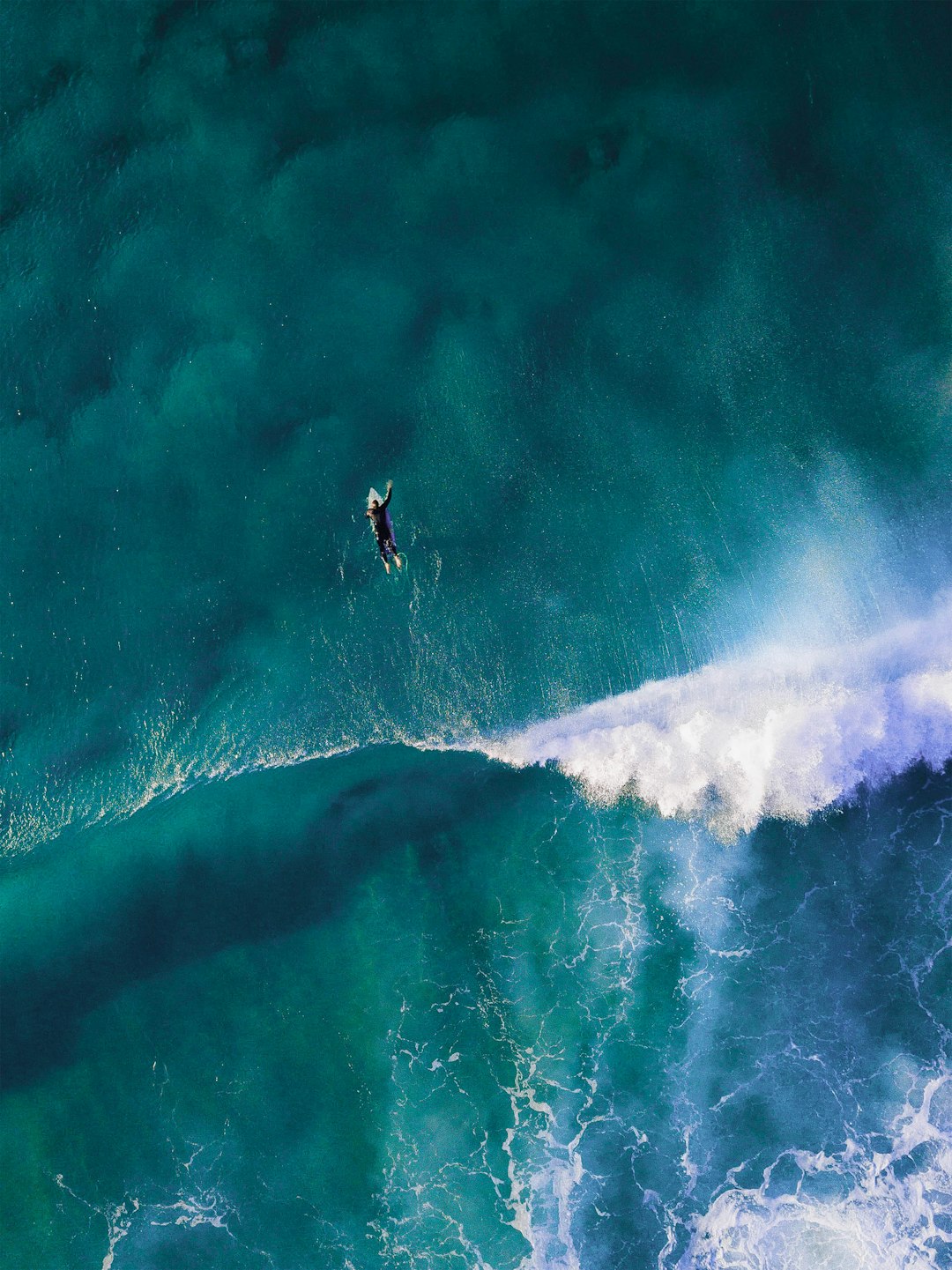
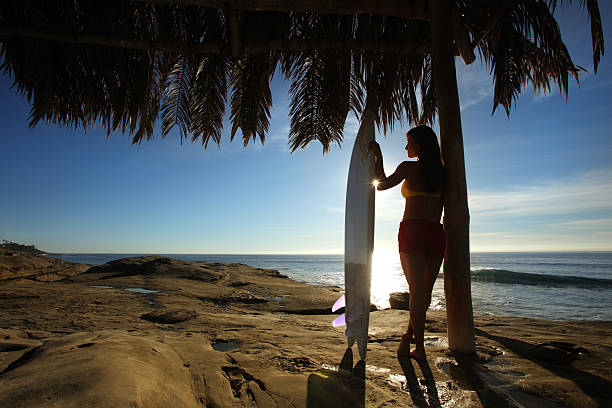
There’s a certain kind of quiet that hangs over Half Moon Bay when the North Pacific decides to flex. The buoys start screaming, the wind charts go all squiggly, and every surfer within a hundred miles suddenly gets that look in their eye—some mix of fear and stoke that’s hard to explain unless you’ve felt it. Mavericks isn’t just a wave, it’s a proving ground, a granite-lipped monster that rises out of the deep water like a slow-motion earthquake. And the crew that paddles out there, they operate under a code that’s older than any rulebook. Ain’t nobody posting that code on the internet, but it lives in every breath held on the takeoff.
First thing you gotta understand is that Mavericks doesn’t let you fake it. The paddle out alone is a battle. You’re fighting whitewater that’s tossing around house-sized chunks of foam, and the channel isn’t always your friend. When the set rolls through, the horizon just disappears behind a wall of dark blue that has no bottom. You can’t see the peak until you’re already on it, and by then your heart is doing that thing where it feels like it’s trying to jump into your throat. The takeoff at Mavericks is a vertical plummet onto a slab that’s sucking dry. You don’t drop in—you get swallowed, then somehow spit out onto a face that’s as smooth as glass and as unforgiving as a closed fist.
The old guard, those who came before the tow-in revolution, they’ll tell you that paddling in is the only honest way. Jeff Clark was the first to surf it alone back in the seventies, and he did it for years with nobody else out. That kind of solitude forges a different bond with the wave. You learn its moods, its little tells, the way the water rearranges itself before a bomb. Every session is a conversation, and if you don’t listen, Mavericks will remind you who’s boss. The wipeouts at that place aren’t just wipeouts. They’re two-wave hold-downs where the reef below is waiting like a bed of rusty knives. You tumble, get slammed, then the next wave lands on your head and the world goes black and white and you have to decide right then if you want to see your friends again.
That decision—that split-second call between fighting to the surface and letting the ocean have its way—that’s the heart of the code. Respect. Not the kind you show to your grandmother, but the kind you show to something that could kill you without thinking about it. The locals at Half Moon Bay, they don’t chase you off with threats and snarling. They just watch. They see how you handle yourself in the lineup, how you read the sets, whether you’re making reckless moves that put others in danger. If you don’t have the humility to pull back, to sit deep and wait your turn, you don’t earn the right to be out there. The wave itself does the policing.
Equipment has evolved, sure. Bigger boards with more foam, thick wetsuits that let you last a few more minutes in the cold. Inflatable vests that can fire a CO2 cartridge and yank you to the surface after a beating. Tow-in boards and jet skis opened up new parts of the reef that used to be impossible on a paddle. But the gear doesn’t make the surfer. You can have the meanest gun on the planet, and Mavericks will still humble you faster than a Saturday night barroom lesson. The real equipment is in your head—the ability to stay calm when your lungs are burning and your leash is snapping and the bottom is twenty feet below but feels like two.
There’s a rhythm to those big days. The whole town seems to hum with nervous energy. Fishermen get out of the water, harbor seals clear out, and the cliffside fills with spectators who are part voyeur, part prayer circle. The surfers meet at the parking lot before dawn, tying leashes, waxing boards, not saying too much. Somebody might crack a joke. Somebody else might just stare at the horizon. Then one by one, they paddle out, and the ocean decides their story.
That’s the thing about the Big Wave Zone at Half Moon Bay—it’s not about glory or ego or YouTube clicks. It’s about being present in a moment that’s bigger than you. The wave doesn’t care if you’re famous or sponsored or just a kid with a dream and a beat-up board. It rolls in the same for everyone. The only difference is what you do when you’re staring down that face, heart hammering, and the world turns to slow motion. Either you commit or you don’t. And either way, you learn something that stays with you forever. That’s the code. It’s unwritten, unspoken, but it’s as real as the cold Pacific water in your lungs. Respect the wave, respect each other, and never, ever think you’re better than the ocean. Mavericks writes that into your soul, one barrel at a time.