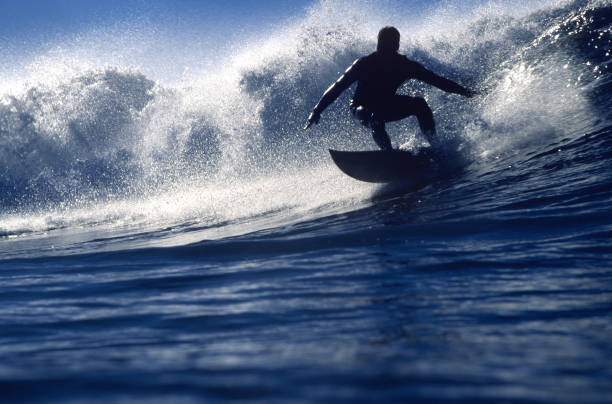
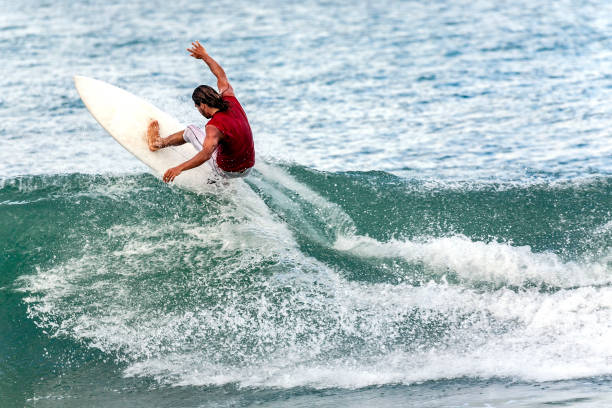
There’s a moment every surfer knows, that quiet electric hum in the gut when the plane banks low over the island and you catch your first glimpse of the Pacific turning from flat blue to deep aqua, then to that telltale whitebark of a reef breaking somewhere off the coast. Land in Honolulu, grab your boards, and let the trade winds carry you toward the North Shore. That stretch of beach from Haleiwa to Sunset isn’t just a coastline, it’s a living map of surfing history, a place where the ocean doesn’t ask permission, it just tells you what kind of surfer you are. You don’t simply go there to ride waves, you go there to pay respects to the oldest, most honest version of the sport.
The North Shore in winter is a different world. The gentle, glassy summer waves that nursed generations of keiki on soft-top boards are replaced by groundswells born thousands of miles away in the Gulf of Alaska. They march across the deep blue in long, powerful lines, then hit the shallow reefs of Pipeline, Ehukai, and Backdoor, detonating into barrels that have scared, blessed, and broken the legends of the sport. There is no hiding in the lineup. When a set looms on the horizon and the water spikes deep and dark, you either paddle with total commitment or you sit outside and watch the pros do what the human body shouldn’t be able to do. The air gets thick with spray and anticipation, and the whole beach holds its breath.
But what truly sets Hawaii apart isn’t just the size. It’s the feeling of lineage in the water. Every time you paddle out at Waimea Bay, you’re pulling into a story that stretches back through Greg Noll and Eddie Aikau, back through Duke Kahanamoku and the ancient aliʻi who rode their alaia boards over the same swells long before any contest jersey or camera drone existed. That charge in the air, the way the elders in the water watch the horizon with calm eyes, it reminds you that surfing here is a privilege, not a right. The ocean is a temple, wave-riding is the prayer, and respect is the entry fee.
Traveling to Hawaii for the waves is about more than chasing the biggest swell of the winter or scoring a perfect glassy dawn patrol at a secluded reef. It’s about adjusting to island time. The pace slows down. You wake before sunrise, check the buoys, share coffee and stories at the local breakfast spot, then sit in the sand watching the light change the face of the ocean. No hurry. No crowded parking lot at the pier with stressed-out locals barking at kooks. Just a long, easy rhythm that feels like the original surfing lifestyle, the endless summer made real, where the sun burns off the morning mist and you have nothing to prove to anyone except the ocean.
You learn the language by living it. You learn that “local” means born from the land and ocean, not born from a flight itinerary. You learn to read the rip currents at Sunset, to recognize the shift in tide that makes Pipeline hollow and dangerous, to know when a swell is too big for your own good and when it’s just big enough to remind you that you’re alive. Fellow surfers from around the world cross paths in the lineup, sharing waves and nods and small smiles, all part of the same great stoke. The lineup is the great equalizer, but Hawaii asks for humility like nowhere else. Paddle in with arrogance and the reef will school you. Show up with respect, with aloha in your heart, and the ocean might just give you a wave you’ll remember for the rest of your life.
Night falls fast on the North Shore. After a day of heavy paddling, the smell of sunscreen and salt, the scrape of wax under your fingernails, you sit on a porch overlooking the dark ocean and listen to the thunder of a distant set rolling in. You feel small, but in the best way. Every surfer needs to make the pilgrimage at least once, not just for the waves but for the reminder that the ocean doesn’t care about your job, your followers, or your best board. It cares about your heart. Hawaii’s legendary waves are not just the most powerful on earth, they’re the original home of the sport’s soul. You leave a different surfer, a more grateful one, forever chasing that same feeling with every stroke of every paddle back out into the lineup.