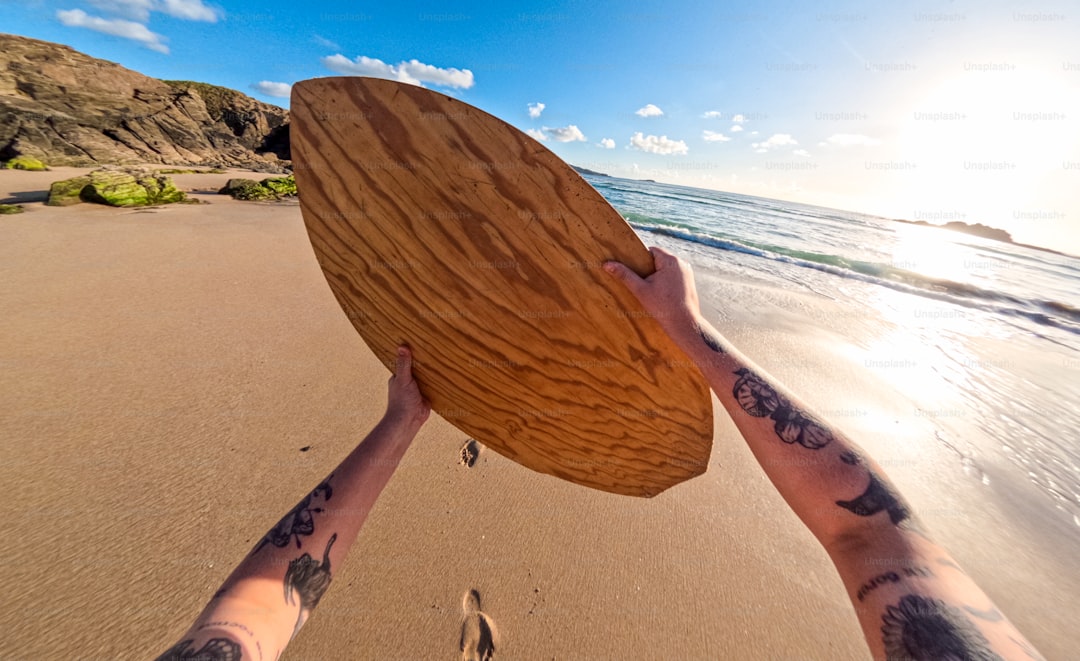
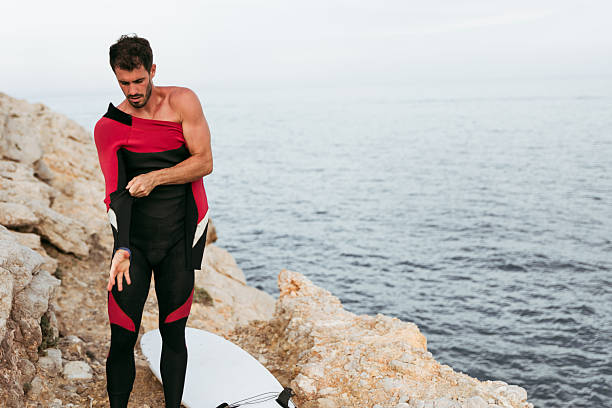
There’s a moment that every surfer knows. You paddle out, the ocean is glass, and for a few heartbeats the world goes quiet. Then a set rolls in, you pivot, drop in, and everything else disappears. That feeling—the stoke—is more than just fun. It’s medicine. In recent years, surf therapy has become a powerful tool for healing, and it’s one of the most beautiful ways the surf community gives back. From veterans battling PTSD to kids facing tough neighborhoods, the simple act of catching waves is changing lives, one session at a time.
You don’t need to be a doctor to see why it works. The ocean demands presence. When you’re sitting in the lineup, watching the horizon for a bump, your brain stops spinning on yesterday’s worries or tomorrow’s fears. All that matters is the next wave. For someone struggling with anxiety, depression, or trauma, that forced focus is a relief. Surfing strips away the noise. It puts you in your body, not in your head. The salt on your skin, the paddle burn in your shoulders, the rocking of the swells—it’s a sensory reset that no app or pill can mimic.
The true magic, though, comes from the community. Surf therapy isn’t just about solo lessons. It’s about a bunch of water people showing up for someone who’s lost. You paddle out together, you laugh when someone wipes out, you cheer when they finally stand up. That feeling of belonging is huge. For a veteran who feels disconnected from civilian life, or a kid who’s never had a stable crew, the lineup becomes a family. The unspoken surfer code—share waves, watch out for each other, leave no one behind—translates directly into human connection. And connection is the antidote to isolation.
Programs around the world are tapping into this. Groups like Operation Surf and Waves for Warriors take veterans out for multiday camps, combining surf coaching with peer support. They see guys and gals who show up with shoulders tight and walls up, then by day three they’re hooting and hollering on every shoulder-hop. The ocean doesn’t care about your rank or your war stories. It just offers the same clean green faces to everyone. That leveling effect is humbling. When you’re both getting pitched over the falls, rank doesn’t matter. You’re just two humans laughing at the ocean’s joke.
Then there’s the environmental angle. Surf therapy often includes beach cleanups and stewardship. Because to heal people, you also heal the place that heals you. Participants pick up plastic, learn about watersheds, and plant dune grass. It gives them a purpose beyond themselves. That’s profound for someone who feels like they’ve lost their meaning. Suddenly they’re not just a patient or a victim—they’re a protector of the waves that saved them. That shift from receiving help to giving back is where real transformation happens.
The science backs it up, too. Studies show that cold water immersion spikes dopamine and endorphins, while the rhythm of paddling and breathing lowers cortisol. The repetitive motion, the balance work, the unpredictable swells—all of it trains the brain to handle stress in a healthier way. It’s like doing yoga with a board under your chest, but way more interesting. And when you catch a wave that finally clicks, the reward system lights up like a fireworks show. That sense of accomplishment, no matter how small, rebuilds confidence.
But you don’t need a study to feel it. Just ask anyone who’s wandered into the water on a rough day, then come out two hours later with salt-crusted hair and a softer smile. The ocean listens. It never judges. It gives back exactly what you put in, and sometimes it forgives you when you dig a rail and eat sand. Surf therapy takes that personal experience and shares it with people who need it most. It’s the stoke, passed forward.
As surfers, we know we’re lucky. We get to chase glassy mornings and empty peaks. But the true gift is the way surfing makes us feel alive. Sharing that gift is a cause worth paddling for. So next time you’re waxing up, think about the folks who haven’t felt that freedom yet. Support a local surf therapy session. Donate a board. Or just invite someone to your break and quietly show them the ropes. Because the lineup has room for everyone, and the healing power of waves is meant to be shared. That’s the kind of cause that keeps the soul of surfing alive.