There’s a certain kind of magic that happens when the Pacific rolls into Malibu’s shoreline, a magic that’s been brewing since long before any of us were even a glimmer in the surf gods’ eyes. First Point, the crown jewel of that mythic stretch, isn’t just a wave. It’s a living, breathing cathedral of surf history, a place where the very essence of longboarding was carved into the water like a prayer. When the swell lines up just right, and the ocean goes glassy like a mirror to the sky, you feel it—the ghosts of every velvet-voiced noserider who ever walked a board to the tip and hung their toes over the curl. This is where the dance began, and it’s still the sweetest rhythm you’ll ever find.
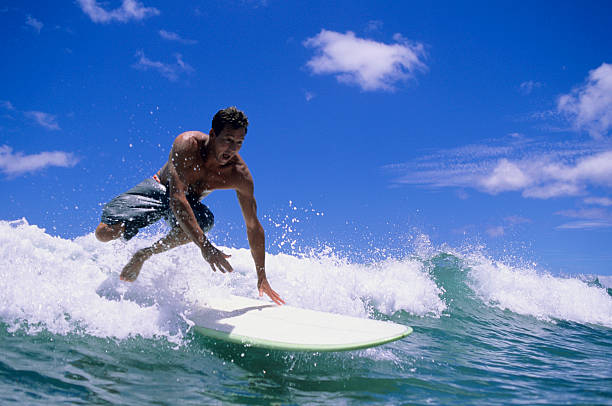
The wave itself is a study in pure, unadulterated peel. It’s not a heavy, hollow freight train like Pipeline or a grinding slab like Teahupo’o. Nope, Malibu is a gently sloping, crystalline wall that unfolds with a patient, almost lazy grace. It rolls right for a few hundred yards, offering up that perfect, forgiving shoulder you can lean into, cross-step across, and just get lost in the motion of. The take-off is mellow enough to let you settle in, find your feet, and feel the board hum beneath you. That’s why the longboard, that elegant piece of foam and fiberglass, found its soulmate right here. The wave gives you time—time to breathe, time to think, time to turn a simple ride into a piece of art. You don’t attack Malibu; you converse with it.
And that’s the heart of it, the reason why even the most gnarly shortboard rippers on the planet will occasionally whip out a nine-foot pintail and just do laps. The history runs deep. Back in the ’40s and ’50s, before the wetsuit was even a whisper, the early pioneers like Bob Simmons and the rest of the board builders were figuring out the magic right here. They realized that a longer, more buoyant plank would let you get into the wave earlier, glide faster, and, crucially, allow you to slide up to the nose and just chill out there, a couple of feet from the curl spitting its misty breath on your back. That move, the nose ride, the ultimate stoke of longboarding, was perfected on these very waves. The old footwork, the cross-step, the hang five, the hang ten—that entire vocabulary of soulful surfing was born in the shimmering water between Point Dume and the pier.
When you sit in the lineup at Malibu, you’re not just waiting for a wave. You’re taking your place in a long, storied procession of watermen and waterwomen. There’s a palpable respect in the water, a quiet understanding that you’re sharing a sacred space. The old-timers, the grizzled locals who’ve been riding the point since before the parking lot was paved, they know every ripple, every drift, every subtle shift in the tide. They’ve paid their dues, and they sit a little further outside, letting the younger groms scramble for the inside waves. The etiquette is unspoken but ironclad: paddle around the peak, don’t snake your fellow surfer, and always, always acknowledge the guys who dropped in before you. The vibe isn’t aggressive—it’s reverent. You’re a guest there, a temporary dancer on a stage that’s been hosting the same performance for over seven decades.
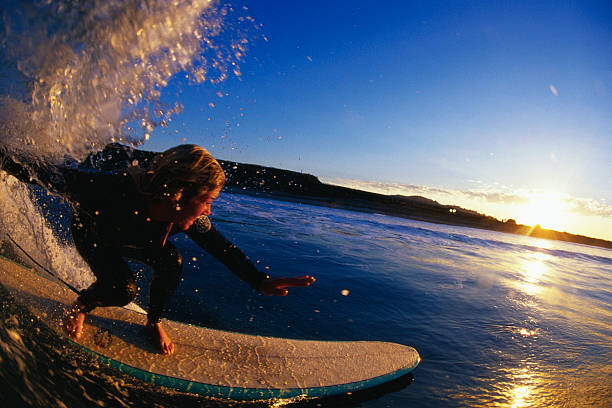
Catching that morning glass-off is the ultimate ritual. Dawn patrol at Malibu is pure magic. The air is cool, the sky is painted in pastels, and the ocean is a sheet of polished obsidian. You paddle out, the silence broken only by the soft splash of your arms and the distant bark of a sea lion. The first wave of the day is often the best—a clean, unridden gem that peels perfectly along the shoreline, sunlight streaming through the crystal face. You take off, drop your weight, feel the board pick up speed, then take that first cross-step, then another, until you’re poised on the nose, toes curled over the edge, the spray from the lip kissing your ankles. For a few blissful seconds, the entire universe narrows to that single, perfect moment. The yesterdays and tomorrows wash away. There’s only the wave, the board, and the dance.
The culture that grew around Malibu is just as iconic as the wave itself. This is where Gidget frolicked, where Miki Dora’s effortless cool was forged in the fire of the lineup, where the golden era of surf cinema found its backdrop. But those are just stories. The real magic is in the everyday, the constant hum of surfers trading waves, laughing, and sharing the stoke. You’ll see a kid on a foamie catching his first green wave, right next to a seventy-year-old legend hanging ten with the grace of a ballet dancer. Malibu is a leveling wave—it rewards patience, style, and a pure heart more than pure aggression. It reminds you that surfing isn’t about charging the biggest set or throwing the gnarliest air. It’s about connecting with the ocean, with yourself, and with the long, beautiful lineage of those who came before you. So next time you find yourself at First Point, paddle in with some respect, leave your ego on the beach, and let the wave guide your feet. The dance is timeless, and Malibu is its eternal home.