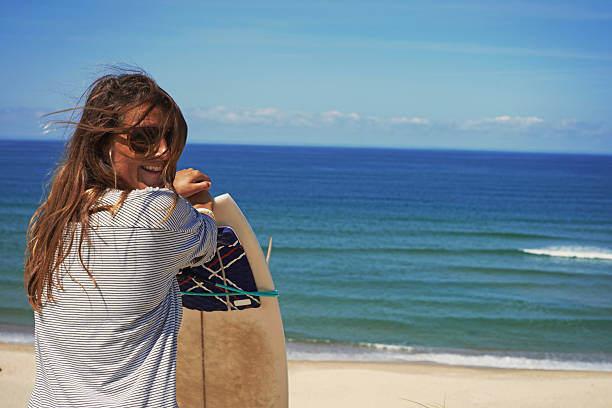
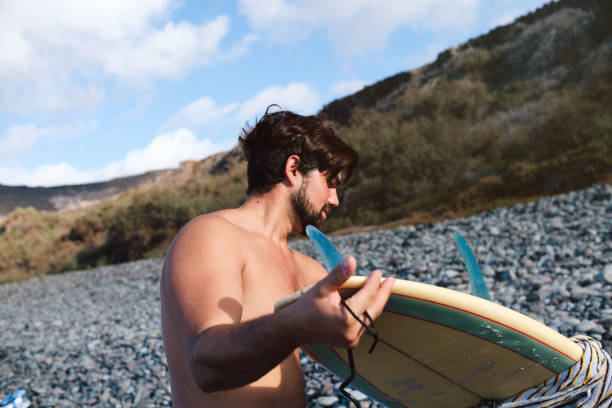
There you are, sitting in the lineup at first light. The ocean’s got that glassy roll, no wind, just the whisper of an offshore breeze. Your board’s already waxed, leash tied, and you’re watching the horizon for the next set. But then it hits you—that hollow feeling in your gut. Not from fear, but from skipping breakfast to make the dawn patrol. You reach into your daybag and pull out a banana. Not a fancy energy gel, not a protein bar with odd ingredients. Just a banana. And honestly? That’s all you need.
The banana is the unsung hero of the surfer’s diet. It’s like Mother Nature looked at a surfer’s life and thought, “Let’s hand them a fruit that’s got their back.“ First off, it’s packed with natural sugars—glucose, fructose, and sucrose—that give you a fast hit of energy to paddle hard through the shorebreak. But unlike that sugary coffee or a candy bar that spikes and crashes, the banana’s fiber slows things down. That means a steady stream of fuel for the whole session, not just the first thirty minutes. When you’re out there fighting for position on a peak for two hours, you need something that’ll keep your arms pulling and your legs pumping without bogging you down.
Potassium is the other big deal. That’s the mineral that keeps your muscles firing clean. Nothing kills a session faster than a cramp in your calf right as you’re about to drop into a clean barrel. A banana gives you about 400 milligrams of potassium, which helps your nerves and muscles talk to each other properly. You don’t have to be a food scientist to know that a cramp mid-wave is pure misery. And it’s not just potassium—bananas have magnesium, vitamin B6, and a dash of vitamin C. They’re like a multivitamin you can peel with your teeth.
Here’s the cool part: bananas work with your gut, not against it. Some surfers get nervous stomachs before a big swell. Heavy meals or weird energy bars can leave you feeling bloated and heavy when you’re trying to duck dive. Bananas are gentle on the system. They’re low in fat, easy to digest, and actually help settle your stomach. If you’re dealing with a long paddle out to an outer reef, the last thing you need is a gut full of greasy bacon and eggs. A banana gets out of the way so you can focus on the wave.
Now, let’s talk ripeness. This is where you can get tactical. A greener banana has more resistant starch, which is like a prebiotic that feeds the good bacteria in your gut. That’s great for overall health, but it doesn’t hit your bloodstream as quickly. A riper banana—one with spots on the peel—has more simple sugars. That’s your quick-release fuel for when you know you’re about to paddle straight into a set and need immediate power. So if you’ve got a dawn patrol with glassy conditions, go with a spotted banana. If you’re doing a long, mellow cruise at an easy point break, a greener one will sustain you longer. Either way, you’re covered.
And let’s not pretend the banana’s packaging isn’t perfect. The peel is nature’s take on a wrapper—biodegradable, no plastic waste, and it gives you a great grip. Toss it in the sand and it breaks down. Tuck it in your wax comb pocket and it’s fine. You can even use a piece of peel to buff a waxy spot on your board (though it might make it sticky). But mainly, it’s just the most convenient food to throw in your board bag. No cooler needed, no prep, no mess. It’s the food equivalent of a clean cutback.
Think about the history too. Surfers have been munching bananas since the longboard era. Hawaiian locals knew the aloha fruit before it was cool. Any good surf trip, whether you’re chasing swell in Bali or cruising the coast of Baja, there’s always a bunch of bananas at the fruit stand. It’s universal. It’s stoke in a yellow peel.
So next time you’re frothing for an early session and the alarm goes off at 5 a.m., skip the fancy stuff. Grab a couple of bananas, hit the beach, and paddle out with a full tank. Your body will thank you, your waves will be crisper, and you’ll still have that low-key energy to hang in the lineup after the crowd bails. Keep it simple, keep it natural, and let the banana do its thing.