Surf Wax: For Maximum Grip

Live Surf Cams

Surfline Live is a 24/7 glimpse into the world’s surf.

This stream moves through Surfline’s global camera network, showing spots where it’s daylight and rated Fair or better.

What’s The Deal With…?

Surf Gear Essentials

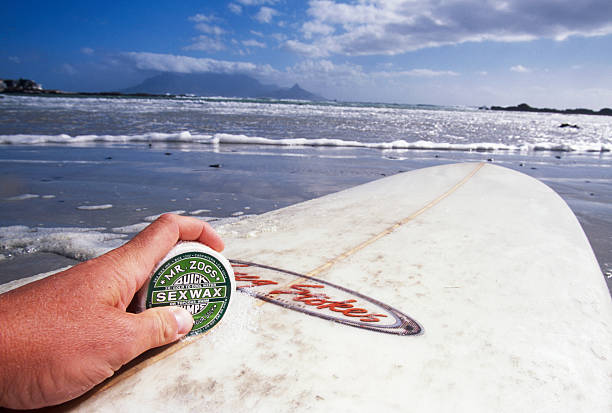
It’s all about matching the wax to the water temp. Cold wax is hard for icy waves, tropical wax is soft for warm water. Using the wrong one is a nightmare—it either turns to slime or stays rock hard, and you’ll be slipping off your board. Check the water temp before you wax up. A good basecoat of base wax first helps any top coat stick better, giving you that solid foundation for maximum grip in your specific session.

There’s no set rule—it’s all about feel. When the deck gets slick, shiny, or the bumps wear down, it’s time. Heavy use, warm water, and sun will mean more frequent applications. Always give it a quick check before you paddle out. A fresh top coat takes two minutes and boosts your confidence instantly. Many pros do a light refresh every session. Think of it like tuning your stick; keep it grippy and responsive.

You can, but you shouldn’t. It’s like wearing a winter wetsuit in Bali—you’ll be uncomfortable and it won’t work right. All-temp wax is a compromise; it’s okay for travel if you’re hitting mixed conditions, but it’s never ideal. For the best grip, use wax specific to your session. Throwing the right wax in your travel bag takes no space and makes a huge difference in your connection to the board. Dial it in, brah.

Surf Gear Essentials

For sure, especially on a new or cleaned board. Basecoat wax is harder and creates a foundation for your topcoat to really cling to. It makes your main wax last longer and perform better. Apply it in circular motions until you have a thin, even, slightly textured layer. Skipping it is like building a house on sand. Take that extra minute—it makes applying your temp-specific topcoat way easier and the grip lasts through more sessions.

You’re likely using wax that’s too soft for the water temp. In tropical heat, even warm-water wax can turn to mush. Always shade your board from direct sun when you’re not riding. If you’re in seriously hot destinations, consider a wax cooler bag or a tropical/hard combo. A solid basecoat helps, but sometimes you just gotta re-apply more often. It’s a small price to pay for firing waves in warm water.

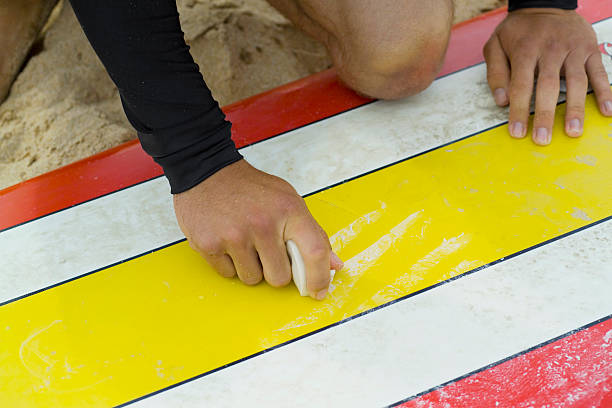
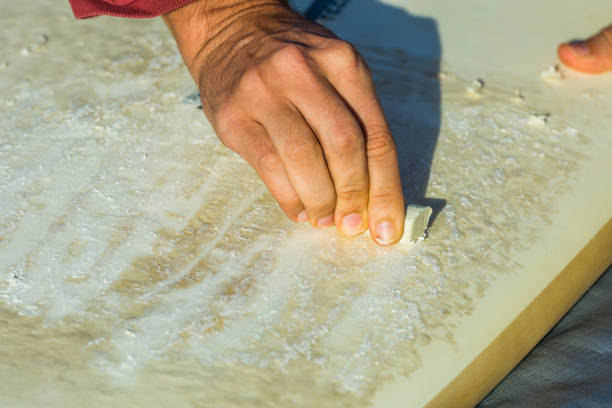
Start clean with a basecoat on a dry deck. Use circular motions to create a solid, bumpy texture—this isn’t a polishing job! For the top coat, use smaller, quicker circles or side-to-side strokes to build those grippy bumps. Don’t go too close to the rails. The goal is an even, textured layer you can really dig your toes into. Re-wax often, especially if your wax looks shiny or smooth. A fresh coat is the cheapest performance upgrade you can get.