Surf Gear Essentials

Live Surf Cams

Surfline Live is a 24/7 glimpse into the world’s surf.

This stream moves through Surfline's global camera network, showing spots where it’s daylight and rated Fair or better.

What's The Deal With...?

The Surfing Life

What should I look for in a dawn patrol forecast?

You’re hunting for three things: swell, wind, and tide. Look for a solid swell direction hitting your spot. The golden rule is light offshore winds—that’s what gives you those clean, groomed lines. Check the tide; some spots work best on a low, pushing tide, while others need more water. Use your favorite surf app or site to see the hourly breakdown for sunrise. A slight morning chill often means those offshores are working. If it all lines up, it’s time to set the alarm.

What’s the most important piece of equipment after my board?

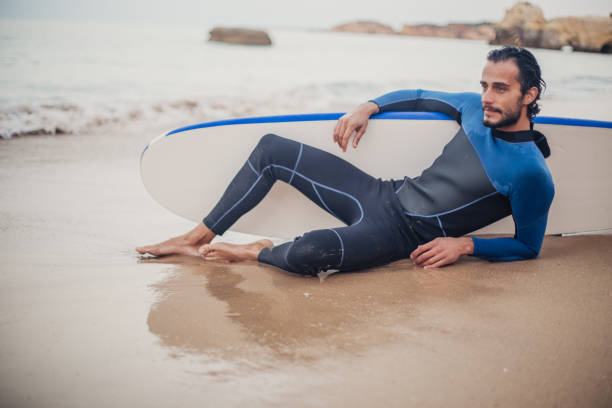
Your wetsuit, hands down. It’s your second skin and what lets you surf year-round in chilly barrels. A good, comfortable suit that fits like a glove keeps you warm and flexible, so you can focus on your shredding instead of the brain freeze. For warmer climates, a solid pair of boardies or a rashguard is essential. Don’t skimp here—being cold or chafed is a surefire way to cut a killer session short.

How does the dawn patrol vibe differ from other sessions?

The vibe is generally more mellow and focused. The crowd is usually the dedicated crew who’ve put in the effort to get there. There’s less chatter, more wave-riding. It’s not a social hour; it’s a mission. The shared, quiet stoke of scoring good waves before work creates a cool camaraderie. You’ll find less aggression and more respect in the lineup, as everyone’s just stoked to be there. It feels like you’re part of a secret club that only meets at sunrise.

Mastering the Waves

What’s the golden rule out in the water?

The number one rule is simple: the surfer closest to the peak has priority. That’s the “dropping in” rule. If someone is already riding a wave, don’t take off in front of them. Snaking or dropping in is the quickest way to get stink-eye, or worse, cause a nasty collision. Respecting this rule keeps the vibe positive and everyone safe. It’s all about sharing the stoke, not hogging all the waves. Wait your turn, and your set will come.

How does a wetsuit actually keep me warm?

It’s a genius bit of science, dude. The suit lets a thin layer of water in next to your skin. Your body heat warms that water up, and the neoprene (that rubbery material) traps it there, creating a toasty thermal layer. The suit itself doesn’t warm you—you warm the water. That’s why a good, snug fit is crucial; too loose and all that warm water flushes out with every duck dive, replaced by cold ocean. That flush is a real buzzkill, so seal it up tight at the neck, wrists, and ankles.

What makes a gun the right choice for big waves?

Guns are the big-wave chargers—narrow, pointed, and usually over 7 feet. They’re built for one thing: handling massive, fast-moving walls of water. The sharp nose pierces drops, the length provides control at high speed, and the rocker helps with late take-offs. You don’t ride this sled at your local beach break; you need it when it’s double overhead and pumping at spots like Pipeline or Mavericks.