Surf Etiquette: Respecting the Ocean
Live Surf Cams

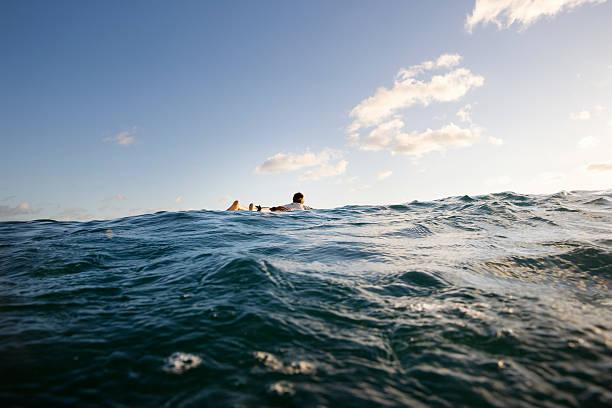
Surfline Live is a 24/7 glimpse into the world’s surf.

This stream moves through Surfline’s global camera network, showing spots where it’s daylight and rated Fair or better.

What’s The Deal With…?

Surf Culture & Community

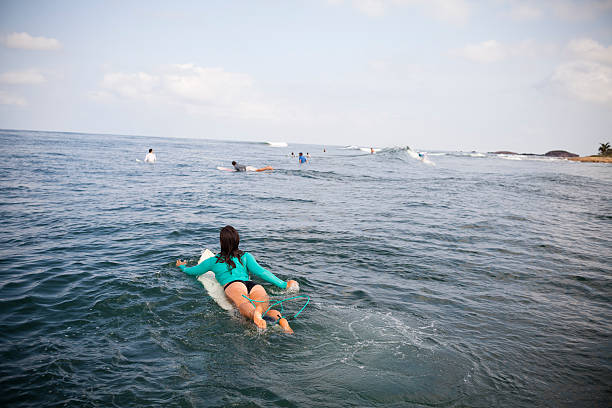
Paddling wide, or using the channel, is like using the shoulder of the highway instead of walking down the middle of the lane. When you paddle straight out through the peak, you’re in the path of surfers riding waves, forcing them to bail or risking a nasty collision. By taking the less steep path around the break, you show respect for those riding and you’ll have a much easier, safer paddle out. It keeps the flow going and prevents chaos.

Nope, snaking is never cool. It’s when you paddle around someone to position yourself deeper and steal priority. It’s a selfish move that breaks the natural rotation and creates tension. Even if you’re more experienced or on a better wave craft, the rule of the peak stands. Wait your turn. The lineup works on a simple take-off system, and trying to game it makes you the problem. Good waves come to those who wait (and follow the rules).

Think of it like visiting a friend’s home. Don’t just run in and take over. Spend time observing, smile, and don’t paddle straight to the peak. Let a few set waves go, show you’re not there to burn everyone. A little humility goes a long way. Catch a few on the shoulder, not the main peak, to start. Earning respect often means giving it first. They surf that spot every day, so they’ve earned their place in the pecking order.

Surf Culture & Community

Immediately kick out or straighten off to get off the wave. A quick, sincere “My bad!“ or “Sorry!“ goes a long way. Don’t just pretend it didn’t happen. Acknowledging your mistake shows you understand the rules and respect the other surfer. We all make errors, but owning up to it maintains the good vibes in the water. It’s the difference between an honest mistake and being that guy.

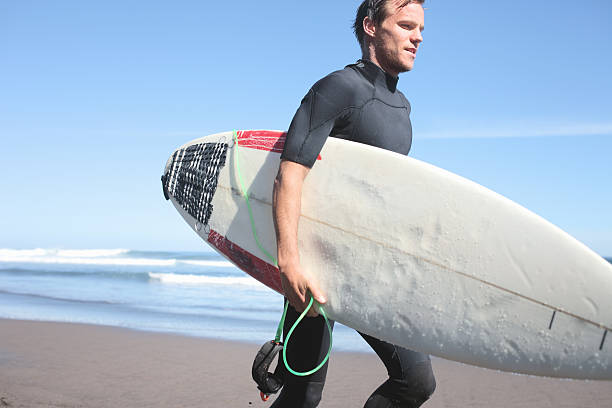
It’s a major safety no-no. When you bail and let your board fly, the leash can snap, sending your 7-foot missile straight into other surfers. Always try to maintain control and pull your board close to you when duck diving or getting rolled. If you’re a beginner in heavy whitewater, practice holding onto your board. Protecting others from your equipment is your number one safety responsibility. A loose board is a dangerous board.

First, always control your board. Don’t ditch it and let it fly into others—use your leash! When paddling out, don’t paddle directly through the peak where people are riding; take the channel. Don’t hog waves, especially if you’re just starting. Be aware of your surroundings, apologize if you mess up, and spend time observing the lineup dynamics. It’s all about awareness and respect. Everyone was a beginner once, but being a kook is mostly about attitude.