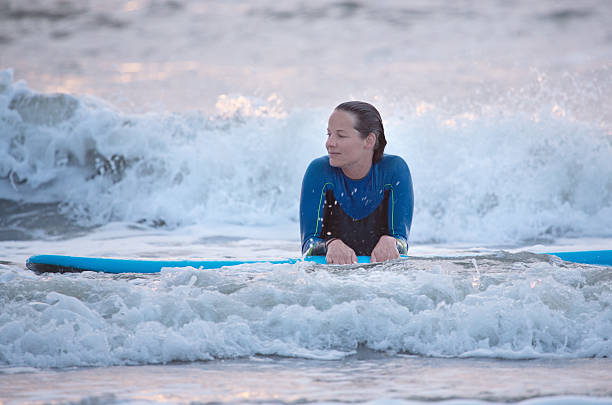
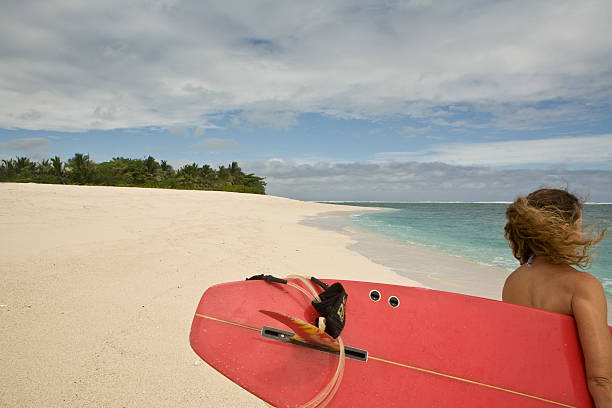
You paddle out through the foam, arms burning, lungs sucking salt air, and when you finally clear the whitewater and sit up on your board, you feel it—that hum, that low vibration in the water that says the ocean is alive, breathing, and it has its own rhythm. The lineup stretches before you, a collection of bobbing heads and fiberglass shapes, all watching the same horizon. This is where the real test begins. Not of your pop-up or your cutback, but of your spirit. Because out here, in the lineup, the ocean doesn’t care about your ego. It cares about respect.
The first lesson any surfer learns—or should learn—is that the wave you catch is never yours alone. It belongs to the ocean first, and the ocean decides who gets it by putting them closest to the peak. That’s the fundamental rule: the surfer with the deepest position, the one who is nearest to the curl when the wave pitches, has the right of way. Everything else—paddling, positioning, dropping in—flows from that simple truth. But surfers being surfers, we forget. We get excited. We see a clean face and our brain short-circuits. That’s when the kook in all of us shows up.
Dropping in on someone is the cardinal sin, the thing that gets you yelled at, splashed, or worse. You paddle for a wave, see another surfer already on their feet to your left, and you still go. That’s not just bad form—it’s disrespecting the ocean’s order. The wave is a living thing, a momentary shape of energy traveling across the reef or sandbar. When you drop in, you snatch that energy away from someone else’s ride. You break the flow. And the ocean, in its quiet way, remembers. It’s why old-timers at any point break or reef pass will tell you: sit and watch. Watch for a full set. Watch how the locals move. Learn the rhythm before you even think about paddling for a wave.
Patience is the unsung virtue of surf etiquette. The ocean doesn’t reward the eager beaver who paddles for everything. It rewards the one who reads the sets, who lets the shoulder go, who waits for the proper peak. There’s a difference between being aggressive and being hungry. Aggressive means you snake someone, paddle around the inside, and take waves that aren’t yours. Hungry means you sit deep, you wait, and when your wave comes, you take it with commitment and style. That’s the dance. The ocean gives you the wave when you’ve earned it by being in the right place at the right time with the right mindset.
Then there’s the matter of how you treat the water itself. Respecting the ocean means leaving nothing behind but your footprints on the sand—and even those, you should try to wash away. Wax shavings, sunscreen that bleaches coral, plastic bags, cigarette butts—all of it ends up in the food chain, in the bellies of turtles and seabirds. The ocean is not a trash can. It’s the source of the very swell that makes our lives worth living. So when you paddle out, look around. Pick up a piece of debris if you see it. Say thank you when a set wave rolls in. It sounds cheesy, but the ocean knows. The old Hawaiian surfers knew: you give respect, you get respect. You treat the ocean like a relative, not a machine.
Localism gets a bad rap, but at its core, it’s about protecting the wave from those who don’t understand its nuances. A local isn’t someone who’s been surfing the spot for ten years—it’s someone who has learned the sandbar shifts, the wind patterns, the tide that makes a section barrel or close out. When you paddle out to a new break, you don’t paddle straight to the peak. You sit on the shoulder. You watch. You nod. You let the locals take their waves. If you prove you can handle yourself without being a danger, you’ll get your turn. That’s not gatekeeping; it’s a slow initiation into the tribe. The ocean doesn’t change for you. You change for the ocean.
And when you finally catch that wave—the one that lines up perfectly, that lets you draw a long bottom turn and feel the wall hold—remember where you are. You’re not just a surfer. You’re a guest in the ocean’s house. Don’t paddle back out after a wave without looking over your shoulder. Don’t yell at beginners who are trying their best. Don’t take more than your share. The best surfer out there isn’t the one who rips the hardest. It’s the one who smiles the most, who shares the peak, who leaves the lineup better than they found it. That’s the code. That’s the dance. And that’s how you earn a place in the endless summer that runs through every wave, every sunrise, every salty breath.