Mastering the Waves

Live Surf Cams

Surfline Live is a 24/7 glimpse into the world’s surf.

This stream moves through Surfline's global camera network, showing spots where it’s daylight and rated Fair or better.

What's The Deal With...?

Surfboard Evolution

What’s the big deal with a custom board anyway?

A custom board is your magic carpet, shaped specifically for you. It’s not some mass-produced pop-out; it’s a collaboration between you and a shaper. They consider your weight, skill, local waves, and even your style. The result? A board that feels like an extension of your body, offering more drive, better turns, and a deeper connection to the wave. It’s about unlocking performance you never knew you had and getting stoked every time you paddle out.

Can I mix and match my fin sets?

Absolutely, this is where the real tuning happens! Many surfers run a larger center fin with smaller side bites for a pivoty feel, or bigger rear quads with smaller fronts for extra drive. This is called an “asymmetrical” set. It lets you customize the board’s pivot point and drive to match your style and local waves. Don’t be afraid to experiment and find your own magic combo.

What’s the purpose of channels on a board’s bottom?

Channels are those deep grooves running from the fins to the tail. They’re all about control in heavy, powerful surf. Think big, chunky waves like Pipeline. The channels act like the fins on an airplane’s wing, directing water flow and reducing side-slip when you’re taking off late or driving through a critical section. They give you extra hold and predictability when you absolutely cannot afford to slip out. You won’t find them on your small-wave board, but on a step-up or a gun, they’re a game-changer.

Legendary Surf Spots

What’s the essential quiver for tackling the Seven Mile Miracle?

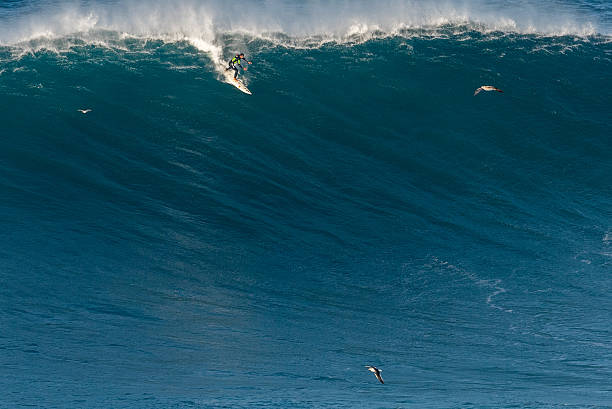
You can’t show up with one stick! You’ll need a dedicated gun for the biggest days at Waimea or Outside Log Cabins—think 9’0” and up. A good-step-up board (7’6” range) is for solid Pipeline or Sunset. Don’t forget a standard shortboard for when it’s “smaller” (still overhead!). Each break demands a specific tool. It’s all about matching your equipment to the mountain of water you’re about to ride.

What’s the essential gear for cold-water, big-wave surfing?

Forget your summer shorty; you’re suiting up in a 5/4mm or thicker wetsuit with hood, boots, and gloves to battle the icy Pacific. The board is a specialized gun, often 9 feet and way up, built for speed and control on massive faces. A modern inflatable vest (PFD) is non-negotiable for safety. Plus, many riders now use earplugs to prevent surfers’ ear and a high-quality leash that can handle the incredible pull of a giant wave. It’s all about survival and performance.

Are there surf camps or should I go DIY?

Surf camps and charters are highly recommended, especially for your first mission. They have the local knowledge, boats, and logistics dialed to get you to the best waves with the tide and wind. Going totally DIY is a serious challenge due to the remoteness, difficult access, and need for local guidance. A good camp provides not just waves but safety, camaraderie, and a base in the wilderness. It lets you focus purely on surfing while they handle the rest.