Kook: The Beginner's Blunder

Live Surf Cams

Surfline Live is a 24/7 glimpse into the world’s surf.

This stream moves through Surfline’s global camera network, showing spots where it’s daylight and rated Fair or better.

What’s The Deal With…?

Surf Lingo Explained

A good leash! A cheap, thin leash is a liability. It can snap, sending your board flying into others—a major safety hazard known as a “board missile.“ Invest in a solid, urethane-cord leash that matches your board’s length. It’s your connection to your equipment and a critical piece of safety gear for everyone in the water. While you’re at it, make sure the rail saver is properly attached to your board’s plug. Trust us, swimming in after a lost board is no fun.

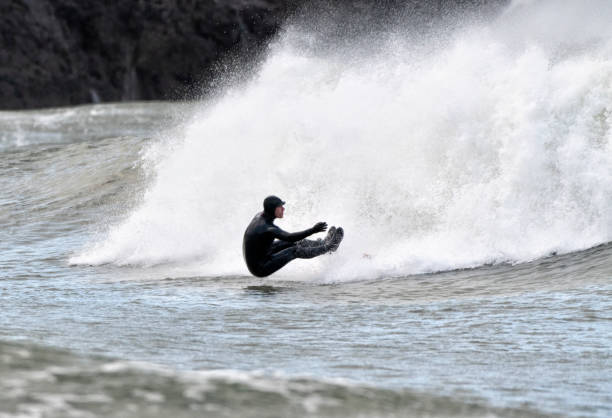
You’re likely too far forward on your stick or trying to catch waves that are already too steep. Scoot back a bit on your board to keep the nose from pearling. More importantly, start paddling earlier, the moment you feel the wave lift your tail. You need momentum to match the wave’s speed. Think “paddle hard, then pop” rather than just hoping the wave will do the work for you. It’s a timing and positioning game that every surfer has to dial in.

Before you even think about standing, master the pop-up on the sand. Then, in the whitewater, focus on catching broken waves while lying on your board—this is called “prone riding.“ It’s all about getting comfortable with the ocean’s motion, learning how to position your body on the log, and feeling the wave push you. This foundational step builds paddle strength, balance, and wave sense without the pressure of dropping in. Skipping this is a classic kook move that leads to endless pearling and frustration.

Surf Lingo Explained

It’s normal to feel intimidated! Start at a mellower, beginner-friendly break—avoid the heavy, localized spots. Watch the lineup for a while first to understand the rhythm. Your goal isn’t to battle for the set waves; it’s to find the smaller shoulders and practice without pressure. A little humility goes a long way. Sit wide, observe, take your turns on the inside waves, and don’t be afraid to hoot someone into a good one. The stoke is contagious and the crew will respect you for learning the ropes.

Dropping in on someone is the cardinal sin. The surfer closest to the peak—where the wave first breaks—has the right of way. If you take off in front of or “burn” them, you’re ruining their ride and creating a dangerous situation. Other kook classics include ditching your board (always hold onto it!) and paddling straight back out through the lineup. Always paddle around the breaking waves to avoid getting in the way of riders. Respect in the water is everything.

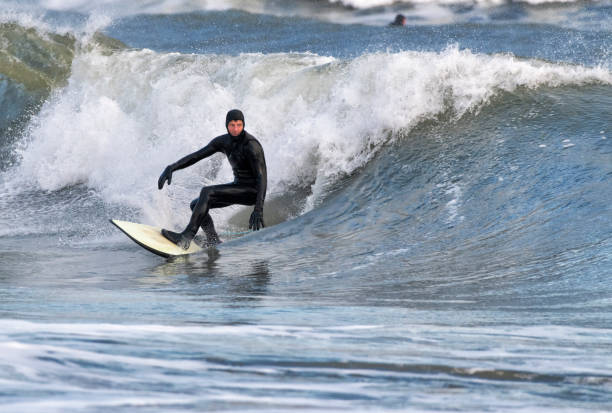
Only after you can consistently catch waves, pop up with stability, and ride straight toward the beach in the whitewater with control. Turning requires you to shift your weight onto your rails, which is a more advanced balance act. Start on a gentle, crumbling section of whitewater: gently press down on your toes or heels to see how the board responds. Don’t force it. The turn will come naturally as you get more comfortable moving on the wave. Rushing to slash like Kelly is a surefire way to eat it.