Essential Surf Terminology Glossary
Live Surf Cams

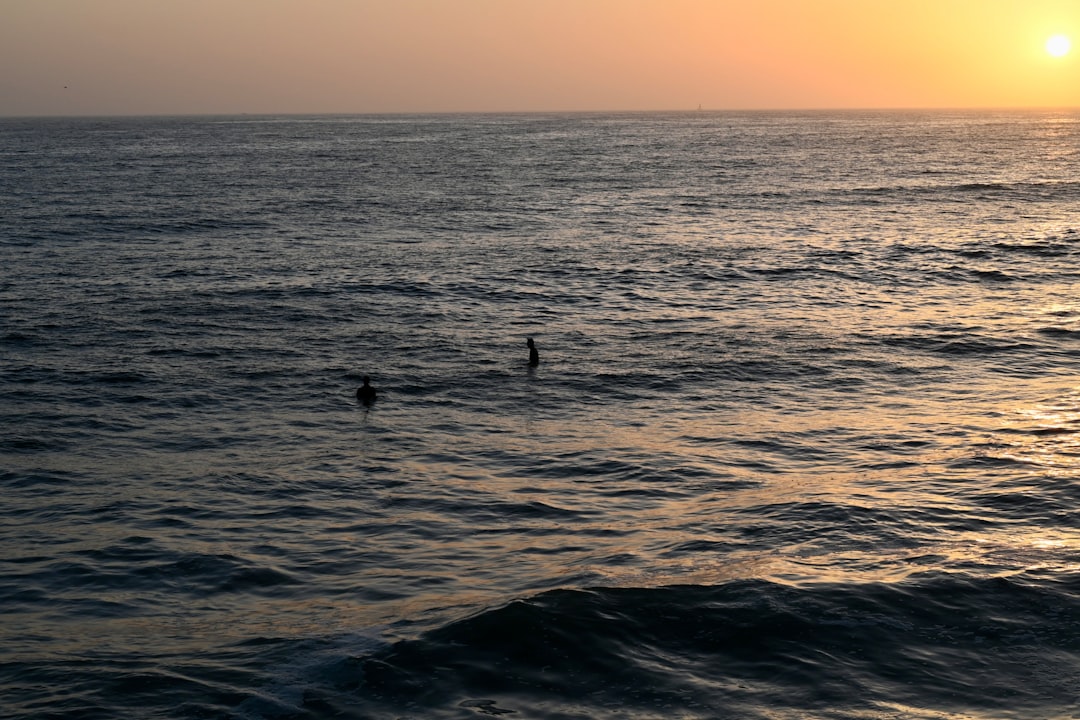
Surfline Live is a 24/7 glimpse into the world’s surf.

This stream moves through Surfline’s global camera network, showing spots where it’s daylight and rated Fair or better.

What’s The Deal With…?

Surf Lingo & Slang

It’s about understanding the ocean’s rhythm. You’re watching the sets, identifying the peak—where the wave starts to break first. You note the currents, the wind, and where other surfers are sitting. It’s seeing which waves are makeable and which are closeouts. This knowledge tells you where to paddle to be in the best position. It’s not just looking; it’s analyzing. A good read saves energy and gets you more waves.

Paddle smart. Position yourself properly at the peak, not just where the crowd is. Take turns, don’t drop in on someone already riding (that’s the ultimate sin!). If you mess up, apologize. Paddle around the break, not through it. Observe lineup hierarchy—respect the locals and those who’ve been waiting. It’s about sharing waves and good vibes. You’ll get more waves by being in sync with the ocean and respectful to others.

A closeout is when the wave breaks all at once, left and right, leaving you no open face to ride. It’s a dead end. A makeable section is a part of the wave that’s just about to pitch, giving you a chance to maneuver past it, either with a bottom turn or a bit of speed. Reading this is key. You want to aim for waves that peel, not ones that slam shut all at once.

Surf Lingo & Slang

Because surfing is 90% paddling! Strong paddle fitness gets you out back faster, through impact zones, and into waves before they peak. It lets you sit outside and catch more waves with less exhaustion. It also helps with duck diving and overall stability on your board. You can’t surf if you’re gassed from the paddle out. Building that endurance and shoulder strength is the ultimate hack for better, longer sessions.

You gotta master the pop-up on the foam first. Once that’s solid, start paddling out back. Watch the horizon, not the shore. Look for the lump forming, turn your board, and paddle with purpose before the wave gets to you. It’s about timing and commitment. Don’t hesitate! The wave will do the work if you’re in the right spot. It’s a game-changer feeling when you first drop down that clean, open face.

Because they totally change a break. A spot that’s flat on a south swell might be firing on a west. The tide can make a wave hollow at low tide and mushy at high, or vice-versa. Knowing this combo lets you predict how your local spots will handle the incoming energy. It’s the key to scoring good waves instead of wasting a drive. It’s about being in the right place at the right time, dictated by Mother Ocean’s schedule.