Essential Surf Gear: Beyond the Board
Live Surf Cams

Surfline Live is a 24/7 glimpse into the world’s surf.

This stream moves through Surfline’s global camera network, showing spots where it’s daylight and rated Fair or better.

What’s The Deal With…?

Mastering the Waves

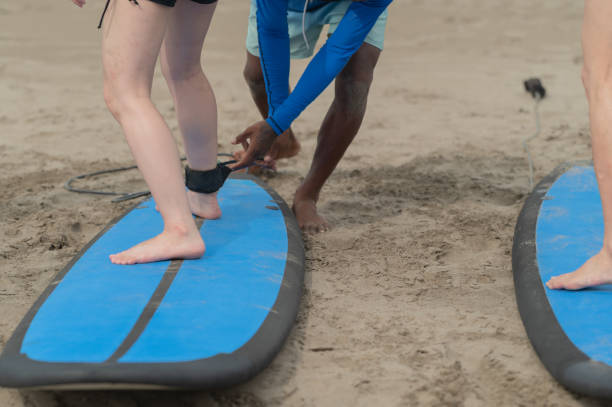
Match the leash length to your board size, generally. A 7-foot board needs a 7-foot leash. Bigger waves or guns demand a thicker cord (like 9mm+) for extra strength so it doesn’t snap on a heavy wipeout. Coiled leashes are great for longboards to avoid tangling. A good leash has a solid swivel to prevent tangling and a comfortable calf strap. Remember, it’s your lifeline to your board—don’t go for the cheapest option. It keeps you and others in the lineup safer.

They’re not just for looking pro, bro! First, they prevent the classic surfer’s rash from your board rubbing your skin. Second, they offer crucial sun protection—look for UPF 50+. In tropical sun, a long-sleeve rashie saves your skin from getting fried. They also add a tiny bit of warmth. Modern ones are super light, stretchy, and dry fast. Whether under a wetsuit or solo in warm water, it’s a simple piece of gear that makes your session way more comfortable.

Totally, if you want to protect your dome and your eyes. The sun is no joke out there. A solid surf hat (with a chin strap so it doesn’t bail on a wipeout) shields your face and neck from UV rays. It also helps you see waves better by cutting glare off the water. Look for quick-dry, flexible material that won’t be a drag when you’re duck diving. Staying protected means you can chase the sun all day without getting cooked.

Mastering the Waves

Wax creates traction so you don’t slip off. It’s all about water temperature. Cold water wax is super sticky for frigid temps. Cool water is for most winter sessions. Warm and tropical are for those balmy summer days. Using the wrong type makes it either too hard or melts into a slick mess. Start with a basecoat for a good foundation, then add a topcoat. Give it a fresh rub before each session for maximum grip under your feet.

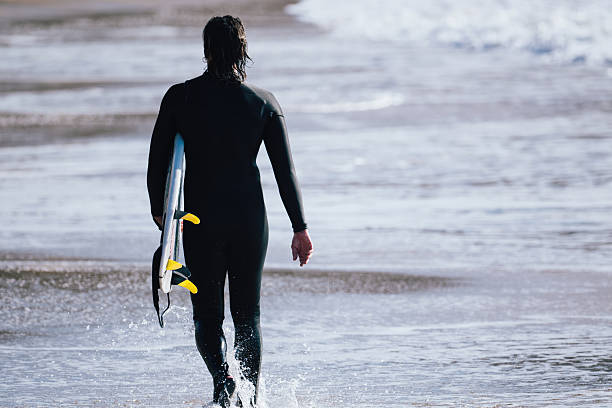
Fins are your control center, dude! A single fin offers smooth, drawn-out turns—classic longboard style. Thrusters (three fins) are the standard for most shortboards, giving you a perfect mix of speed and hold. Quads (four fins) are speed demons, looser and faster for down-the-line pumping. They all change how your board releases water. Swapping fins is the cheapest way to totally change your board’s feel, so experiment and see what works for your wave and style.

For sure, especially if you’re traveling or tossing your stick in a crowded rack. A good bag is like insurance. Padded bags protect from dings, pressure dents, and sun damage (UV kills boards!). A day bag is light for local use, while a travel coffin is essential for planes. It guards against baggage handler chaos. Protecting your investment means more water time and less time with the ding repair guy. Don’t let a cheap bag sink your quiver.