All Articles

Live Surf Cams

Surfline Live is a 24/7 glimpse into the world’s surf.

This stream moves through Surfline’s global camera network, showing spots where it’s daylight and rated Fair or better.

What’s The Deal With…?

Surf Lingo & Slang

This is non-negotiable, grom. The lineup has rules for safety and respect. The surfer closest to the peak has right of way—don’t drop in on them. Don’t snake for waves, and always control your board. Paddle wide around the peak, not through it. Respect the locals and the vibe; a friendly attitude goes further than any maneuver. Getting this dialed keeps everyone safe and ensures you get waves, too. A good rep in the water is your most valuable asset.

Totally crucial, bro! More volume (width, thickness, length) equals more float and easier paddling. A high-volume board gets you planning quickly and is stable. But once you’re skilled, a lower-volume, more refined shape paddles through the water more efficiently, letting you duck dive easier and position yourself precisely. It’s a trade-off: float helps beginners, while performance shapes demand stronger technique. Choose a board that matches your skill and the waves you’re chasing.

Invest in a good, padded travel bag—it’s a game-changer. Use a board sock for each stick, and pack clothes and towels around the nose, tail, and rails for extra cushioning. Remove your fins and leash, and pack ’em in your luggage. Don’t forget to check the airline’s fee structure; some are way more surf-friendly than others. A pro tip: throw in a few extra fin screws and a ding repair kit, just in case.

Surf News & Updates

Protection, protection, protection! Look for a bag with thick padding (at least 10mm), reinforced rails, and stiff sides. Wheels are an absolute game-changer for navigating airports. Bonus points for extra pockets for fins, wax, and your favorite boardies. A good travel bag is an investment that pays off by ensuring your precious sticks arrive at paradise in one piece, ready for you to chase that endless summer.

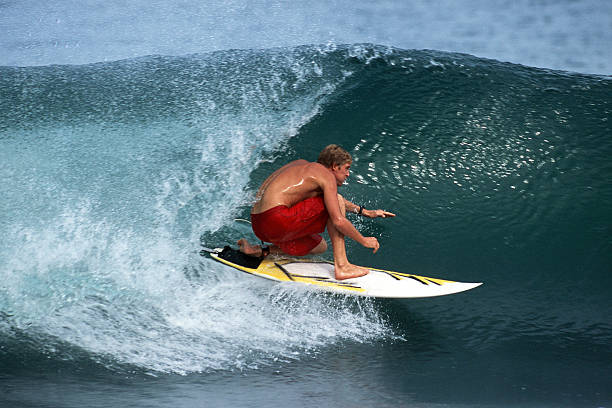
Give it some juice! Shortboards thrive in good, chest-high-plus waves with some push and a defined pocket. They need a wave with enough power to generate speed for turns. While you can ride a shorty in small stuff (if it’s a groveler shape), they truly come alive in hollow, barreling waves or clean, peeling walls where you can unleash your full repertoire of carves and snaps.

Water temp dictates your vibe and your rubber. Cold water (below 60°F/15°C) means a full wetsuit, booties, hood, and gloves—it’s a mission but often means less crowd. Tropical warmth (75°F/24°C+) is board shorts or a light rashguard, offering pure freedom. The right gear isn’t just about comfort; it’s about safety and session length. Don’t tough it out in cold water without a suit; you’ll freeze and have a bad time.