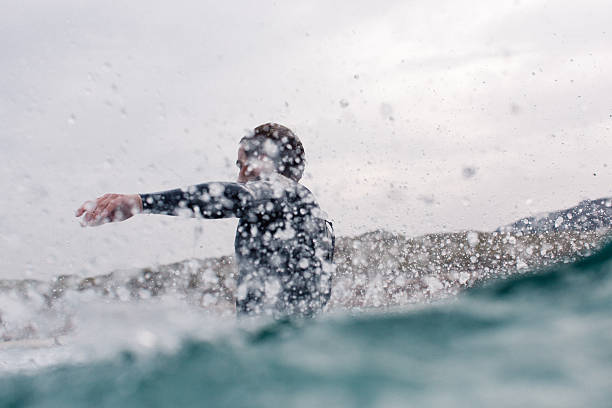
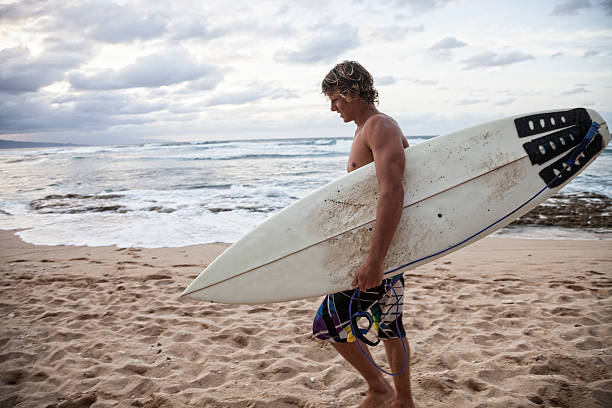
You paddle out, duck dive a set, and finally make it to the lineup. The sun’s out, the swell is pumping, and then you hear it: “That last one was a screamer, brah, total drainer! Got so pitted before it went full mush burger on the inside.” If that sounds like a foreign language, welcome to the world of surfer speak. This isn’t just slang; it’s the essential dialect of the ocean, a coded language that communicates everything from wave quality to social order in the water. Knowing it is as crucial as knowing how to pop up.
At its core, surfer lingo is about efficiency and vibe. In a constantly changing environment where seconds count, you need to convey complex information fast. Instead of saying, “Look out, a large wave is approaching from behind that will prevent us from paddling out,” you simply yell, “Outside!” It’s a warning and a heads-up all in one. Terms describe the wave’s form with poetic precision. A barrel (or tube) is the ultimate goal, the green room. Getting pitted is the act of being deep inside it. A close-out is a wave that breaks all at once, offering no ride, while a mush burger is a soft, crumbling, weak wave—total frustration.
But this language goes beyond describing conditions. It defines the hierarchy and etiquette of the lineup. The peak is where the wave first breaks, and the surfer closest to it has priority or right of way. To ignore this and drop in on someone is the ultimate sin, a quick way to earn stink-eye and a reputation as a kook. A kook isn’t just a beginner; it’s someone who, through ignorance or arrogance, disrupts the flow. They’re the one paddling through the peak, wearing the leash on their front ankle, or generally blowing the takeoff. Knowing the lingo shows you understand the culture, that you’ve put in your time and respect the lineup.
The vocabulary also captures the full emotional journey of a surf session. The stoke of a dawn patrol, finding glassy conditions with no kooks out. The agony of a flat spell or being skunked after checking the surf all day. You might have a shocker of a session where you can’t buy a wave, or you might get shacked all afternoon, coming in with a permanent stoke grin. Your quiver is your collection of boards, each for different conditions—your shortboard for ripping, your log for those small, crumbly days, your gun for when it’s double overhead and heavy.
This lingo is living, breathing, and constantly evolving with new generations, but its roots are deep in surf culture’s history. It’s a badge of belonging, a way to separate the grems from the legends. It’s spoken from the beaches of Bali to the points of J-Bay, a unifying code for the global tribe chasing the endless summer. So next time you’re in the car park checking the surf, listen up. Understanding whether it’s fat and sluggish or hollow and firing will dictate your equipment and your expectations. And when you finally get out back, a simple “Yew!” or “Sick one, brah!” to a stranger after a good ride speaks volumes. It’s the language of shared experience, of sun, salt, and stoke. Now get out there, listen, learn, and don’t be a kook.