
All Articles

Live Surf Cams

Surfline Live is a 24/7 glimpse into the world’s surf.

This stream moves through Surfline’s global camera network, showing spots where it’s daylight and rated Fair or better.

What’s The Deal With…?

Mastering the Waves

Hold-downs happen. Training your breath-hold (safely, on land first!) builds calmness and confidence. It teaches your body to tolerate higher CO2 levels, so you panic less when you get worked. This mental edge is huge. It also improves your lung capacity for those long, demanding paddles out. You won’t be gasping for air when you finally make it outside, meaning you’re ready to go for the next set instead of just recovering.

Tides and swells can totally transform a wave. Some spots, like The Box in WA, only come alive on a low tide with a huge swell, turning into a shallow, barreling beast. Others, like many tidal points, need a specific push of water to start working. Reading surf forecasts and understanding how your local spot reacts to different conditions is a superpower. It’s the difference between a flat day and scoring the session of your life.

Hugely important, mate! Seams are the weak point where water can leak in and chill you. Flatlock seams are for warmer water—they’re flexible but let a little water through. Glued and blind-stitched (GBS) seams are water-tight and more durable, ideal for colder surf. Then you’ve got sealed seams, where a liquid tape covers the stitching, making them the gold standard for ice-chest conditions. The right seam construction is key to stopping that brutal cold-water flush.

Surf Lifestyle & Travel

You can get wet any time, but autumn (Sept-Nov) is pure gold—warmish water, consistent swells, and fewer crowds. Winter delivers the most powerful waves for experienced surfers, but it’s seriously cold and demanding. Spring sees cleaner conditions return, and summer offers smaller waves, longer days, and the chance to trunk it if you’re hardy (or mad!). Swell is consistent year-round, so there’s always something to ride.

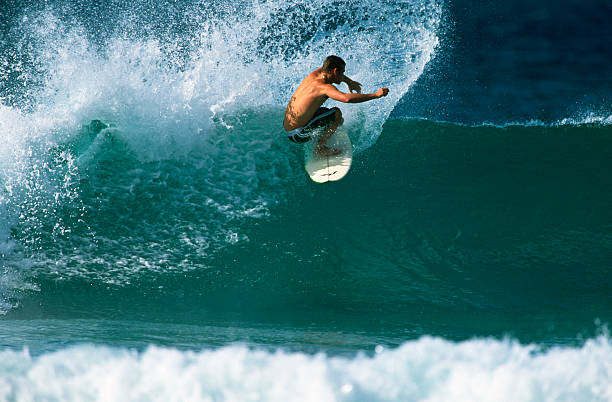
All cutbacks are carves, but not all carves are cutbacks. A carve is any turning maneuver where you dig your rail. A cutback is a specific type of carve where you turn back toward the breaking part of the wave. It’s a directional change to get back to the juice, while a carve can be any turn down the line.

With proper care, a good suit should get you through two solid seasons, maybe 100+ sessions. It’s all about the TLC, man. Always rinse it with fresh water after every surf, inside and out. Dry it in the shade, never on a hot fence or in direct sun—that bakes and cracks the neoprene. Store it on a thick, wide hanger. You’ll know it’s retiring when it gets super stretchy, loses its spring, and flushes cold water constantly. That’s the suit telling you it’s time for a new one.