All Articles

Live Surf Cams

Surfline Live is a 24/7 glimpse into the world’s surf.

This stream moves through Surfline’s global camera network, showing spots where it’s daylight and rated Fair or better.

What’s The Deal With…?

Surf Culture & Community

Commit to the journey, brah. It’s all about water time. Start by mastering pop-ups and trimming on whitewater, then graduate to unbroken green waves. Don’t be afraid to eat it—wipeouts are your best teacher. Watch the lineup, learn to read waves, and maybe get a few tips from a more experienced friend. Focus on one skill at a time, whether it’s bottom turns or generating speed. Remember, every legend was once a beginner dripping on the beach. Patience and persistence are key.

Look for a gentle, sandy-bottom beach break with consistent, small waves—often called a “mushy” wave. These spots have less power and a forgiving seabed, perfect for practicing pop-ups. A mellow vibe in the water and a lack of heavy localism are key. Think places like Waikiki or Costa Rica’s Tamarindo, where the whole family can share the stoke without heavy currents or gnarly reefs. Always check with local surf schools; they know the safest zones.

Totally. Their boards are ultra-refined weapons. We’re talking hyper-light, computer-designed foam cores, carbon fiber stringers for snap, and fin setups tuned for specific breaks or maneuvers. Shapers work closely with them on micro-adjustments. They also have quivers for everything: small-wave shredders, step-up guns for Jaws, and everything in between. It’s not just a magic board; it’s a toolbox of precision equipment. This tech lets them push the limits of what’s possible on a wave, maximizing speed, flow, and pop.

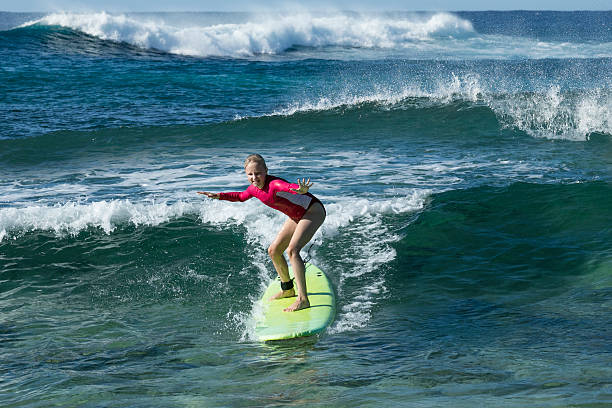
Mastering the Waves

The tail is your steering and release point! A squash tail gives you quick, snappy turns. A rounded pin offers hold in bigger, hollower waves. A swallowtail (like on a fish) creates lift and speed. A square tail provides stability. It’s all about how you want the board to connect with and release from the wave’s face. Choosing the right one fine-tunes your ride.

A kook is a beginner who, often unknowingly, breaks surf etiquette and looks awkward in the water. A ripper is a skilled surfer who makes advanced maneuvers look easy, respects the lineup, and truly understands the ocean. It’s not just about skill level; it’s about attitude and respect. Everyone starts as a kook, but the goal is to progress towards being a competent, respectful surfer—whether you ever become a full-blown ripper or not.

For sure! Beach breaks with steep, pitching lips are the classic aerial playground. You want a wave that throws out a bit, creating a natural ramp. The section should be steep but not too hollow or barreling—you need a lip to hit, not a full closeout. Medium-sized, clean conditions are ideal. Mundaka or J-Bay won’t help you here; think more like a punchy Hossegor or a snappy Australian shorebreak.