All Articles

Live Surf Cams

Surfline Live is a 24/7 glimpse into the world’s surf.

This stream moves through Surfline’s global camera network, showing spots where it’s daylight and rated Fair or better.

What’s The Deal With…?

Surfboard Evolution

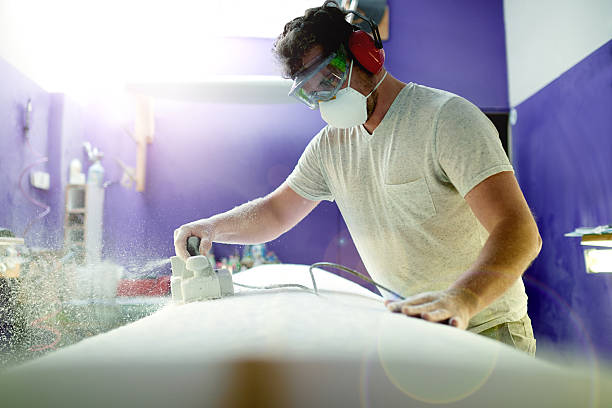
Bob McTavish, with his “V-bottom,“ and Dick Brewer, shaping for pros on the North Shore, were pivotal shapers. Surfers like Midget Farrelly, Wayne Lynch, and most famously, Nat Young (winning the ’66 World Contest on “Sam”) proved these new sticks worked. In Hawaii, Gerry Lopez mastered the pipeline on shorter, more maneuverable boards. These pioneers showed the world what was possible when you traded stability for high-performance.

Duke was a Hawaiian legend, an Olympic swimmer who spread stoke globally. In the early 1900s, he performed wave-riding exhibitions in places like California and Australia, essentially introducing stand-up surfing to the world. His iconic image—riding a massive, heavy wooden board with pure grace—cemented surfing as a noble pursuit. He embodied the aloha spirit, making him not just surfing’s ambassador, but its soul. Every time you paddle out, you’re sharing waves with the Duke’s legacy.

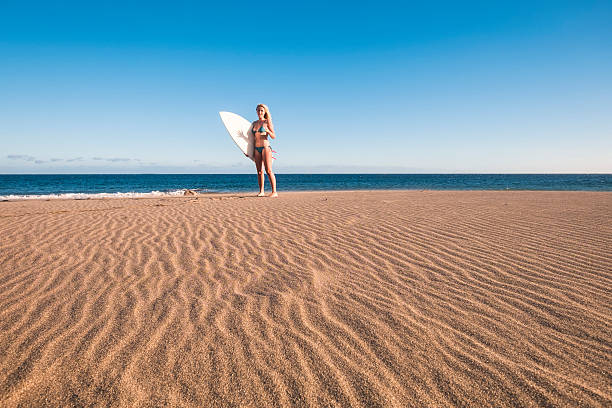
For your first mission, stick to the friendly vibes of Guanacaste. Tamarindo and Playa Grande offer mellow beach breaks perfect for finding your feet. Nosara is a bit more of a trek but has super consistent waves and a killer yoga-surf scene. These spots have plenty of board rentals, surf schools, and other kooks to share the lineup with. You’ll get heaps of waves, improve your technique, and soak up that easygoing Tico culture without getting in over your head.

The Surfing Life

Start by being a regular at your home break. Consistency breeds familiarity. Take a lesson or two—instructors often know everyone. Hang out in the parking lot, ask respectful questions, and just chat. Check for local surf shops or community boards; they’re hubs for meet-ups and soft-top rallies. Remember, everyone was a kook once. A positive, stoked attitude in the water goes way further than your top-turn.

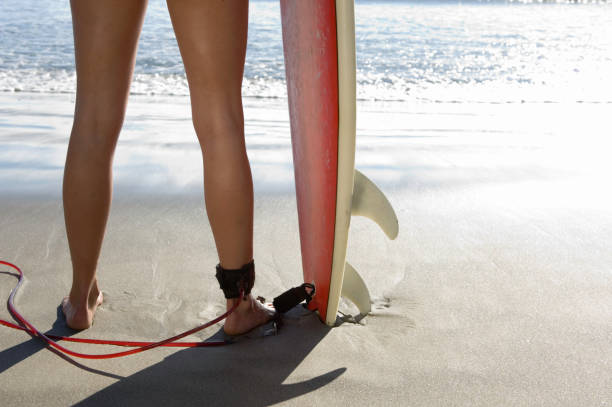
Totally, it’s a personal preference thing. Regular-footers (right foot forward) often wear it on their back (left) ankle, and goofy-footers on their right. This keeps the cord away from your leading foot during pop-ups. Some surfers switch it up based on the break to keep the leash away from the curl. The key is consistency—find what feels natural and stick with it so the motion becomes automatic when you’re scrambling to your feet.

Nothing is truly “waterproof.“ “Water-resistant” means it maintains its SPF level for a specific time while you’re in the drink—usually 40 or 80 minutes. After that, its effectiveness drops. That’s why reapplication is crucial. Always check the label for the water-resistance time and plan to re-up accordingly. No sunscreen can survive a full four-hour session without a touch-up.