All Articles

Live Surf Cams

Surfline Live is a 24/7 glimpse into the world’s surf.

This stream moves through Surfline’s global camera network, showing spots where it’s daylight and rated Fair or better.

What’s The Deal With…?

Surf Lingo & Slang

First, learn the rules: don’t drop in, paddle wide of the peak, and don’t ditch your board. Watch and learn from experienced locals. Match your equipment to your skill level—no ripping on a giant foamie, but also no struggling on a tiny high-performance shred stick. Most importantly, be humble, apologize for mistakes, and focus on control over recklessness. It’s all about sharing stoke, not stealing waves.

Dude, get yourself a water-logged journal or a solid app. After each session, jot down the conditions, what you worked on—like nailing that bottom turn or getting more vertical—and how it felt. Watching clips of yourself is key, even if it’s just phone footage. It’s all about spotting little improvements, like generating more speed down the line or cleaning up your pop-up. This mindful approach helps you focus your next dawn patrol.

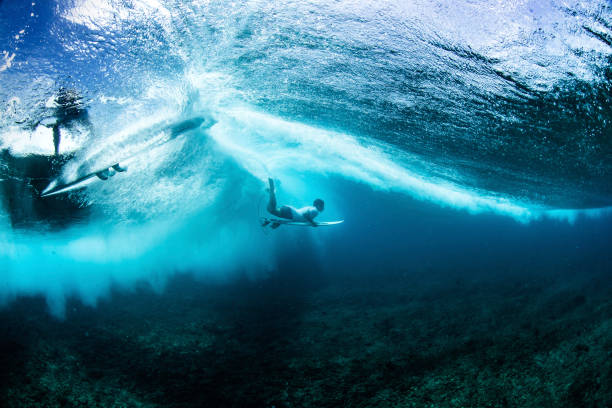
Duck diving is the technique used to push your board underwater beneath an oncoming whitewater wave, so you can get out back without getting pummeled. You shove the nose down, push the tail under with your knee or foot, and let the wave pass over you. It’s essential for shortboarders to efficiently get through the impact zone. Mastering it saves energy and gets you to the lineup faster, ready to catch set waves.

Surf Culture & Community

For sure, even if you’re not out to win. Contests are like family reunions for the local scene. The vibe is all about shared stoke, cheering each other on, and talking story between heats. You’ll meet everyone from hot-dogging shortboarders to soulful longboarders. Volunteering to help run the event is an even better move—you become part of the backbone of the community instantly.

Bethany rides custom sticks tailored for her unique style. Her boards often feature a modified nose shape, sometimes with a handle or extra grip for stability during take-off. She typically rides shorter, high-performance shortboards that are wider and thicker through the front for extra paddle power and balance. The tails are often pulled in for control in critical sections. It’s all about that perfect blend of paddle-ability, pop-up speed, and radical maneuverability to tackle anything from Pipeline to small peelers.

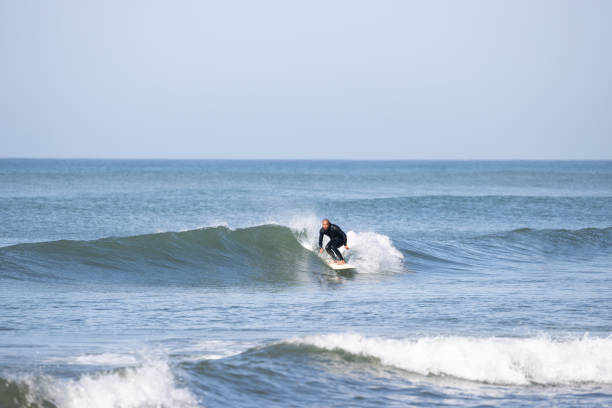
Start from a solid, balanced stance as you finish your drop. Look where you want to go—usually back up the face. Compress your legs, then powerfully extend them, driving your rail into the wave with your weight on your back foot. It’s like pushing off the wall of a pool. Your board will pivot on its tail, sending you on a new trajectory. The key is commitment; really lean into that rail and trust your equipment to hold the line.