All Articles

Live Surf Cams

Surfline Live is a 24/7 glimpse into the world’s surf.

This stream moves through Surfline’s global camera network, showing spots where it’s daylight and rated Fair or better.

What’s The Deal With…?

The Surfing Life

It’s about weaving the surf into the fabric of your life, not just a vacation fantasy. It means scoring dawn patrol before work, planning road trips to scout new coastlines, and finding ways to live closer to the break. It’s the commitment to seek out those moments of pure glide, whether it’s a quick session on your lunch break or a month-long van trip. It’s a lifestyle of prioritizing swells and saltwater, ensuring you’re always riding toward the next glassy moment.

A half-arsed repair with duct tape or glue is a temporary fix that causes long-term damage. Water will sneak in, rot the foam from the inside out, and create a much bigger problem. A proper repair with resin and glass restores the structural integrity and the watertight seal. It keeps the board’s flex pattern true and prevents the dreaded “ding spread.“ Do it right the first time, or take it to a shaper who can.

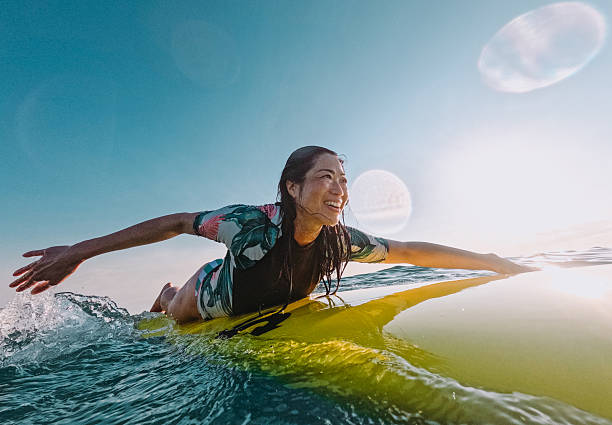
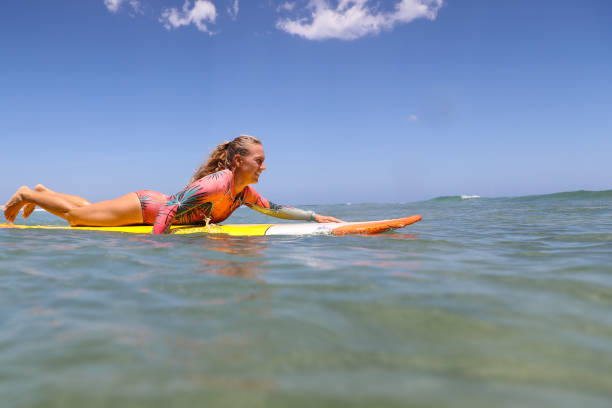
The biggest kook moves? Looking down and short, choppy strokes. Looking down sinks your chest and creates drag. Keep your head up, eyes on the horizon. Also, don’t just use your arms—engage your lats and core for each deep stroke. Another energy drain is paddling with your legs dangling or knees bent; keep ’em together and straight to streamline your body. Finally, avoid constant, frantic paddling. Learn to read the ocean and paddle with purpose.

Surf Lingo Explained

It’s not just about riding waves; it’s a full immersion. It’s prioritizing dawn patrol, having saltwater in your veins, and your schedule revolving around tides and swell. It’s worn-out wetsuits, ding repair in the garage, and road trips with boards on the roof. It’s a deep respect for the ocean, a tight-knit crew, and a mindset that values experiences over possessions. The ocean is your church, and every session is a form of meditation.

Always prioritize ocean smarts. Spend at least 20 minutes observing from the beach—check the rips, the crowd vibe, and the entry/exit points. Tell someone back at your hostel or camp where you’re paddling out. Consider surfing near a lifeguard station if possible. Trust your gut; if something feels off about the conditions or the locals are giving heavy vibes, it’s cool to sit it out. The ocean will always be there tomorrow.

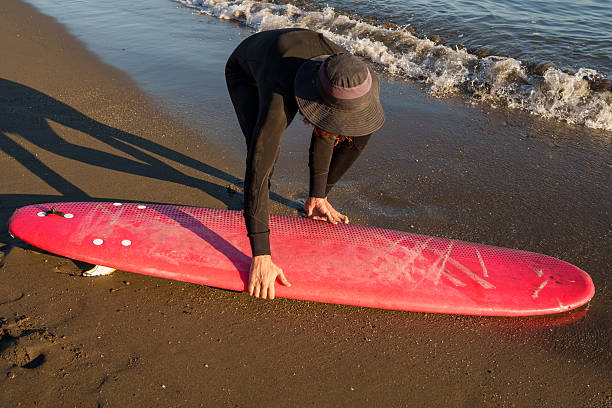
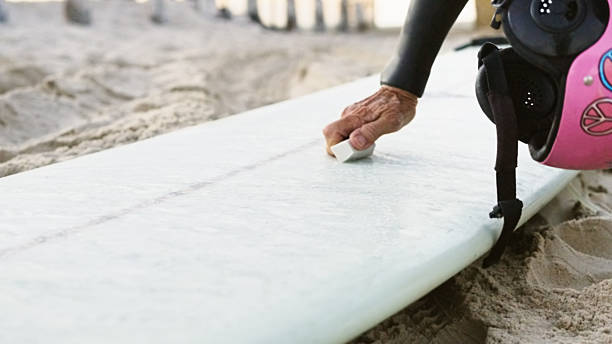
For sure, especially on a new or cleaned board. Basecoat wax is harder and creates a foundation for your topcoat to really cling to. It makes your main wax last longer and perform better. Apply it in circular motions until you have a thin, even, slightly textured layer. Skipping it is like building a house on sand. Take that extra minute—it makes applying your temp-specific topcoat way easier and the grip lasts through more sessions.