All Articles

Live Surf Cams

Surfline Live is a 24/7 glimpse into the world’s surf.

This stream moves through Surfline’s global camera network, showing spots where it’s daylight and rated Fair or better.

What’s The Deal With…?

Surf Lifestyle & Travel

Totally sorted, bro! From Donegal to Kerry, there are epic surf schools and camps for all levels. They’ll hook you up with gear, local guides, and warm soup. For the independent traveller, most major towns near breaks have solid rental shops offering quality boards and thick wetsuits. Booking lessons or a guide is a brilliant way to learn the nuances of a break and stay safe in unfamiliar, powerful conditions.

Dude, the OG boards were heavy, finless slabs of wood. Ancient Hawaiians, the true pioneers, shaped them from local trees like koa, wiliwili, and ‘ulu (breadfruit). These olo and alaia boards were thick, dense, and seriously challenging to ride. They weren’t for popping airs; they were about spiritual connection and straight-line glide. Ranging from 6 to a massive 20 feet long, they were more about ceremony and royalty than carving up the lineup. It was pure, raw surfing at its origin.

It’s a mix of hustle and local knowledge. Dawn patrol is your best friend—beat the crowd. Be willing to walk further than the next guy, or score spots that require a bit of a mission. Travel in the shoulder seasons, not peak summer or winter holidays. Respect the locals, observe etiquette, and often you’ll find they’ll be more welcoming. The best finds are often earned.

Surf Lifestyle & Travel

Yeah, you might see some salty crocs in river mouths and estuaries—so don’t surf near them! Stick to well-known breaks and listen to locals. You’re more likely to see turtles, dolphins, and rays, which is epic. On land, watch for monkeys stealing your snacks and iguanas sunbathing. It’s their home, we’re just visiting. Use common sense, don’t leave food out, and enjoy the fact you’re surfing in a jungle paradise. It’s part of the wild charm that makes Costa Rica so special.

Commit to water time, even when it’s small or messy. Get the right board—often a funboard or mid-length—to help you catch more waves and learn to turn. Watch tutorials, but more importantly, watch the water. Study how rippers position themselves. Focus on one skill at a time: paddling, pop-up, bottom turn. Fitness helps massively. And always, always practice wave etiquette.

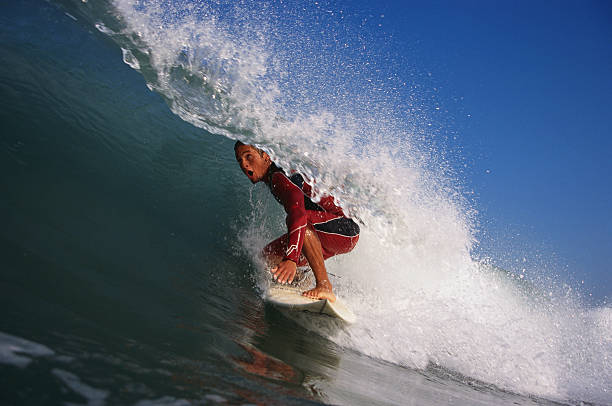
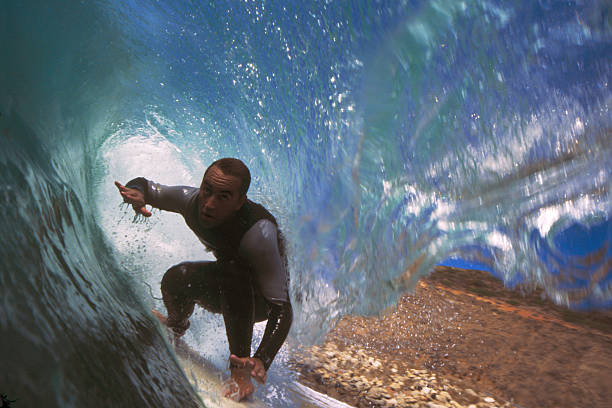
Getting barreled is about commitment and position. It starts with picking the right wave—a pitching, hollow peak. Paddle hard, take off at the critical spot, and aim to get deep. Once you’re in, stay in the pocket, keep your speed, and get low. Don’t look at the curtain; look ahead down the line. It might take a few beatings, but that moment of getting covered up and shooting out the spit is pure, life-changing magic.