All Articles

Live Surf Cams

Surfline Live is a 24/7 glimpse into the world’s surf.

This stream moves through Surfline’s global camera network, showing spots where it’s daylight and rated Fair or better.

What’s The Deal With…?

Legendary Surf Spots

Your quiver depends on the season and break. In summer, a boardies and rash vest combo is perfect. Winter might call for a 2mm spring suit. Board-wise, bring your good-wave shortboard for the points. A hybrid or fish is awesome for smaller days at the beachies. Don’t forget the essentials: a solid leash, wax, and reef booties aren’t a bad idea for rocky points. Sun protection is non-negotiable—the Aussie sun is fierce, so use zinc and a hat.

Keep the stoke alive! A solid dryland routine includes paddle simulations with resistance bands, pop-up drills, core circuits (planks, leg raises), and balance work on a Indo Board or even a rolled-up towel. Don’t forget mobility flows and yoga to maintain that surfer flexibility. This isn’t just about maintaining fitness; it’s about sharpening the neural pathways so when you finally hit the brine, your body remembers exactly what to do.

Absolutely, it’s the soul of it. You’ll soak in the local surf history, understand lineup etiquette, and embrace the dawn patrol mindset. It’s about more than just riding waves; it’s connecting with the rhythm of the coast, respecting the environment, and living that simple, stoked life. You leave not just a better surfer, but more tuned into the true spirit of the culture.

The Surfing Life

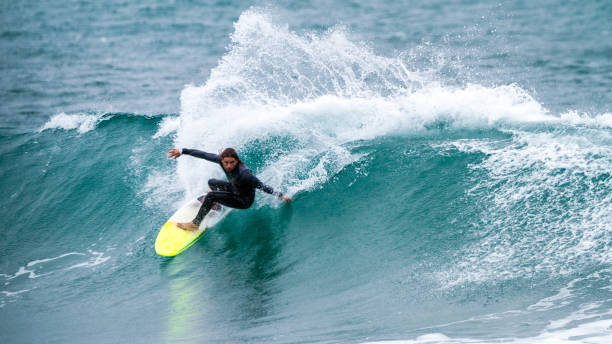
Film yourself! Seriously, get a buddy to shoot a few clips from the beach. What you feel you’re doing and what you’re actually doing are often totally different. Watch the footage to spot if you’re looking down, dragging a hand, or mistiming your bottom turn. Also, watch pro surfers with a critical eye—study their foot placement and where they look on a turn. Then, next session, focus on just one thing, like keeping your eyes up. Small, focused improvements add up to major progression.

Check the water temp! Thickness is measured in millimeters (like 3/2 or 4/3). Colder water needs more rubber—a 4/3 is a classic all-rounder for many climates. For frigid dawn patrols, you might need a 5/4/3 hooded suit. Warmer spots can get away with a spring suit or a 2mm top. Always match the suit to the coldest session you’ll surf, because once you’re cold, the session is basically over.

Wear your heaviest shoes and jacket when checking in. Pack your carry-on with dense items like your camera gear and tool kits. Know your airline’s surfboard bag policy—weight and fees vary wildly. Sometimes, splitting gear between a board bag and a checked suitcase is cheaper than one massively overweight bag. Travel light on the non-essentials; you only need boardshorts and stoke, really.