
All Articles

Live Surf Cams

Surfline Live is a 24/7 glimpse into the world’s surf.

This stream moves through Surfline’s global camera network, showing spots where it’s daylight and rated Fair or better.

What’s The Deal With…?

Surf Gear Essentials

Absolutely, unless you want your prized stick to get dinged by baggage handlers. A good travel bag (padded or coffin-style) protects your quiver from airlines, buses, and roof racks. Get one that fits your biggest board with some extra space for padding (like towels or clothes). It’s an essential investment for chasing swells around the globe. No one wants to start a surf trip with a repair job.

It’s all about the pre-game. Prep your gear the night before—wetsuit, board, leash, all by the door. Set that alarm with a gnarly name like “Barrel Call.” Having a dedicated dawn patrol crew is key; you’re less likely to bail if someone’s waiting for you. Remember the feeling of empty lineups and silky waves. That first duck dive into cool water shocks the sleep away. The hardest part is getting out of bed, but you’ll never regret it once you’re out there.

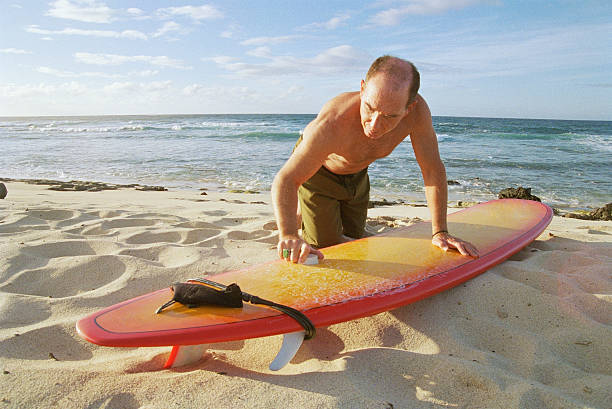
This totally depends on your resin. Quick sun-cure stuff can be ready to sand in 20 minutes if it’s bright out. For standard polyester resin (the stuff that comes with a tube of hardener), give it at least 12-24 hours to fully harden before sanding and hitting the water. Epoxy resin often needs a full 24 hours or more. Don’t rush it! If it’s still tacky or soft, it’s not ready. A premature paddle-out can ruin your repair and let the ocean in.

Surf Lingo Explained

Totally! Groms usually ride soft-top boards or small, durable epoxy funboards that are forgiving for wipeouts and easy to paddle. Think about volume and stability. A 7’ foamie is a classic starter. As they progress, they move into proper shortboards or grovelers that match their size and skill. Don’t forget a solid leash, a snug-fitting rashguard, and, most importantly, a solid surf earplug habit to prevent surfer’s ear down the line. Proper gear keeps ’em safe and stoked.

Charging heavy water is a mental game as much as physical. You need next-level paddle fitness, breath-hold training, and the right equipment—a gun or a tow board. But mostly, it’s about knowledge: reading the lineup, understanding hold-downs, and having a trusted water safety team. It’s respecting the ocean’s raw power while confronting your own fear. The reward is a feeling like no other—pure, adrenaline-fueled awe.

The vibe is authentically Indonesian and deeply cultural. Sumba is home to the Marapu people, known for their incredible megalithic tombs and traditional villages. The pace is slow, the smiles are genuine, and the landscape is breathtakingly wild. It’s a humbling experience to witness ancient traditions. Respect is key—dress modestly in villages, ask before taking photos, and embrace the simple life. This isn’t a party island; it’s a place for connection, reflection, and pure stoke after a draining session.