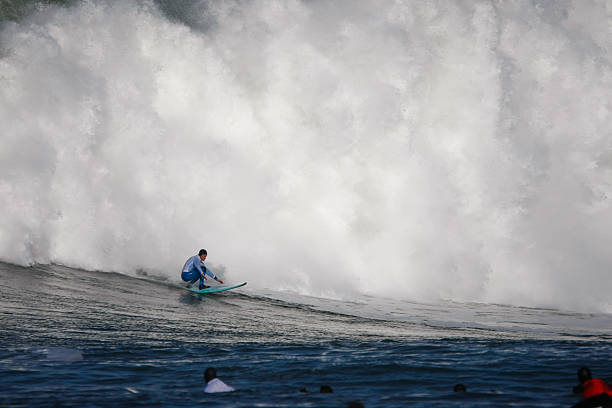
When you’re out in the lineup, trimming down the face of a glassy overhead set wave, the last thing on your mind is the stuff that’s keeping your bare feet planted on the deck. But without a trusty layer of surf wax, that ride would turn into a slip-n-slide straight into the lip. Surf wax is the unsung hero of every session, the subtle yet crucial accessory that separates a solid carve from a spectacular yard sale.
Now, I’m not talking about that soft, tacky goop you’d find at a skate shop. Surf wax is a different animal entirely. It’s a blend of paraffin, beeswax, and various resins that create a sticky texture specifically designed for the deck of a surfboard in saltwater. The key is temperature. Most waxes come in a range, from cold water (about 60°F) all the way to tropical (over 75°F). If you slap a cold-water wax on your board in Bali, you’ll have a mess that refuses to set. Matching the wax to the water temp is rule number one. So pick the right one for the conditions, and your feet will thank you.
Applying it is an art form. You don’t just smear it all over any which way. The classic technique is a cross-hatch pattern: press the wax into the deck in short, circular strokes. Overlap those strokes in a perpendicular direction to create a grid of little peaks and valleys. Those peaks are what bite into your foot. Let a fresh coat sit for a few minutes before you hit the water, and don’t pile on a half-inch thick. A few coats during the day beats a blobby mess that just balls up and peels off. A wax comb is a handy tool for reviving the surface when it starts to smooth out.
But why do we even need wax in the first place? Imagine a board with a perfectly slick fiberglass and resin surface. Add water, and friction goes to zero. Your feet would slide on the takeoff like a cartoon character on a banana peel. Wax provides the traction, but it also does more. It gives you a tactile connection to the board, a direct feel for every subtle flex and wobble. Skilled surfers can actually steer with their back foot, and that’s only possible because the wax lets them apply precise pressure without slipping. It’s like having griptape for your soul. That connection is what lets you feel every ripple in the water through the board.
Now, there are a few modern alternatives – traction pads, which are those gritty foam strips that cover the tail. A lot of shortboarders run them, and they do offer consistency. But wax covers the entire deck, which is essential for noseriding or for switching stance when you’re goofing around. A pad and wax combo is actually a popular setup: pad at the tail for drive, wax up the nose for cross-steps. And if you’re a longboarder, surf wax is non-negotiable. Think of it as a stereo system – you can have just a subwoofer, but the full range sounds way better.
Some waxes contain petrochemicals, but there are eco-friendly brands popping up that use plant-based waxes and natural resins. They work just as well, and they don’t leave a greasy film on the ocean. As surfers, we’re stewards of the water, so supporting those brands is an easy call.
Caring for your waxed deck is simple. After a session, rinse your board with fresh water and towel it off. Don’t leave it baking in a hot car, because your wax will melt into a goopy smear that ruins your wetsuit. If you need to strip the whole deck, an old credit card works for a scrape, and a little citrus cleaner takes off the residue. And always dry your board before you store it, so the wax stays put.
At the end of the day, surf wax is one of those cheap, low-tech pieces of kit that we take for granted until we forget to reapply and end up doing the splits mid-takeoff. It’s a ritual, a connection, and a tiny bit of alchemy that makes our flypaper feet possible. So next time you paddle out, take a second to thank the sticky layer underneath you.