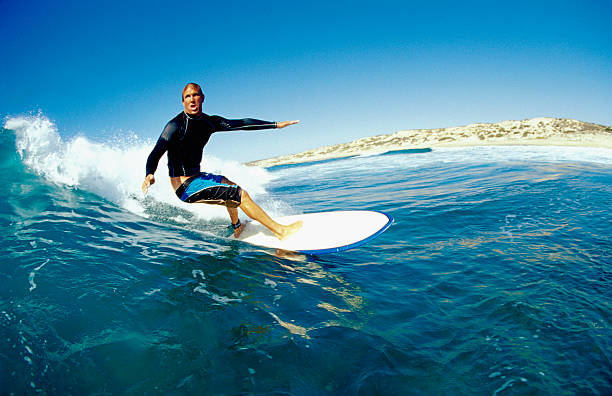
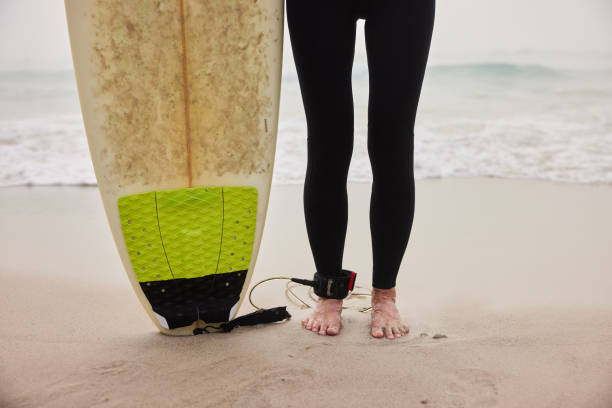
You paddle out at dawn, glassy swell rolling in from the deep, and the water feels like it’s welcoming you home. That feeling, that stoke that runs deeper than any wave, that’s the aloha spirit. And nobody embodied it or shared it with the world quite like the Big Kahuna himself, Duke Kahanamoku. Sure, the man could ride a wave like nobody else, charging Waikiki on a solid koa board that weighed a hundred pounds, but his real gift to surfing wasn’t just technique or style. It was the way he carried himself, the way he spread the stoke with every handshake, every smile, every ohana connection he made across the seven seas.
Duke wasn’t just a waterman; he was an ambassador. Long before surfing became a global phenomenon, before fiberglass and leashes and perfectly groomed reef passes, Duke was out there showing the world that riding a wave was more than a physical act. It was a spiritual one. He flipped the script on the old Hawaiian traditions, where surfing was a royal pastime, a connection to the gods, and made it accessible to everyone. When he traveled to Australia in 1914 and gave that famous demonstration at Freshwater Beach, he didn’t just carve up the face and blow minds. He hung around afterwards and taught locals how to paddle, how to catch a wave, how to feel the glide. He gave them boards, literally gifted his own ride to a young kid who showed promise. That’s the aloha spirit in action. It’s not about keeping secrets or guarding the best breaks. It’s about sharing the joy, passing the torch, and watching the fire spread.
And spread it did. From Down Under to the East Coast of the US, Duke’s name opened doors and changed minds. He was a swimmer first, a gold medal Olympian who used his fame to get a foot in the door where surfing was still seen as a fringe pastime, something exotic and maybe a little dangerous. But when Duke walked onto a beach, there was no fear in his presence. He was all warmth, all humility, all grace. He’d shake hands with the locals, tell stories, laugh big, and then paddle out and make it look effortless. He had this unique blend of raw power and total bliss. His style wasn’t aggressive or snappy. It was smooth, elegant, flowing like the water itself. People watched him and they didn’t just want to surf. They wanted to be like him. And the way to be like him was to embrace the aloha. That meant treating the ocean with respect, treating fellow surfers with kindness, and treating every wave as a gift.
Here in the modern lineup, it’s easy to lose that vibe. Crowds are thick, tempers flare, locals get territorial, and sometimes you see more aggression than aloha. But if you look back at Duke’s legacy, you realize he never pushed or shoved or claimed a break as his own. He simply gave. He gave the world surfing. He gave the world the sport of bodyboarding too, funnily enough—they’ve called him the originator of that wave-riding style when he’d lie on his belly and take off on giant swells. But more than that, he gave the world a blueprint for how to live alongside the ocean. He reminded us that surfing is not about domination. It’s about harmony. You don’t conquer a wave. You join it. You ride its energy, you feel its pulse, and you let it carry you for a few glorious seconds. And then you share that feeling with everyone else in the water.
Duke’s vision of surfing as a universal language is what made him the father of the sport, but it’s also what makes him timeless. Even today, when you’re out back on a clean day and someone drops in on you, if the rule is aloha, you don’t rage. You shake your head, maybe laugh, and share the next one. Because Duke knew that waves come and go, but the connection between people and the ocean is forever. He showed us that a surfer is not measured by how many barrels they tuck into or how high they launch off a lip. A surfer is measured by the kindness they bring to the beach. That’s why his statue stands at Waikiki, the exact spot where he used to paddle out, overlooking the lineup like a guardian angel. He’s not just a historical figure. He’s a living presence, a reminder that every time we wax up and walk down the sand, we have the choice to spread aloha or to hoard it. And Duke would want us to spread it, every single session.
So next time you catch a wave, think about the Big Kahuna. Think about how he shared the stoke with no ego, no agenda, no expectation of anything in return. Let his spirit guide your paddle. Let his gentle smile remind you that surfing, at its core, is about joy. And when you see someone else paddling into a set, give them a shaka, hoot them in, and feel that connection. Because that’s the ultimate ride. The one you share. The one that keeps the eternal summer alive. Duke showed us that wave, and it’s still breaking, all around the world, in every heart that loves the ocean.