Surf News & Updates

Live Surf Cams

Surfline Live is a 24/7 glimpse into the world’s surf.

This stream moves through Surfline's global camera network, showing spots where it’s daylight and rated Fair or better.

What's The Deal With...?

Surf Technique Deep Dive

How important is wave selection for scoring a tube?

It’s everything, bro! You can’t get barreled on a closeout or a mushy roller. Look for the waves with a defined peak that throws out, not just pitches and crashes. Watch the lineup for a few sets. You want a wave that has a clean, open face and a lip that throws out in a predictable way. Sometimes it’s the second or third wave in the set. Patience is key. Paddle for the wrong one and you’re just wasting energy. Wait for the gift.

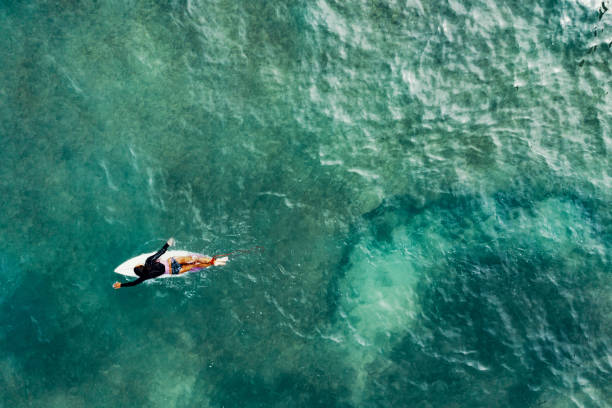
How do I build paddle endurance for longer sessions?

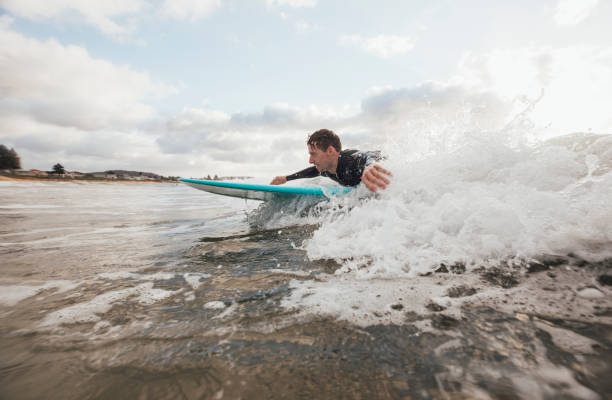
Dude, it’s all about consistency. Hit the pool for lap swimming, focusing on freestyle to mimic the motion. On land, pop-ups and burpees build explosive power. But nothing beats time in the brine. Paddle out even on small days, focusing on strong, deep strokes. Think “reach and dig.“ Your shoulders and back will scream at first, but they’ll get stoked on the strength. More paddle power equals more waves under your belt and less getting caught inside. It’s the ultimate ticket to longer, more rewarding sessions.

How does board type affect my pop-up technique?

Bigger, thicker boards (like longboards or funboards) are more forgiving and give you more time. You can almost walk to your feet. On a shortboard, the pop-up needs to be faster and more precise because the board is less stable. Your foot placement has to be spot-on. If you’re learning, a higher-volume board is your best friend—it makes the pop-up easier and builds confidence. As you downsize, you’ll need to refine that motion to be quicker and more compact.

Mastering the Waves

How does a fish board differ from a standard shortboard?

The fish is a groovy, wider, and flatter shape, usually under 6 feet, with a split tail (swallowtail). It’s designed for speed in smaller, mushier waves where a standard shortboard would bog. The twin-fin setup provides insane drive and flow. If your local break is more fat and weak than hollow and barreling, a fish will keep you flying and generating speed where it seems impossible.

What Should I Look for in Surfboard Traction?

Traction pads (or deck grips) give your back foot a consistent, sticky place to land. A basic tail pad is key for shortboarders to feel the board’s edge and kick out. Longboarders often just use wax, but a nose guard can protect the tip. Pads come in different bumps and contours for feel. Some folks go full-length for extra control. It’s personal preference, but a good pad gives you confidence for those critical turns and cutbacks when your feet find the sweet spot.

When should I just call it and not paddle out?

If the conditions are way above your skill level, sit it out. If you’re feeling ill, exhausted, or your gut says “no,“ listen. Watch for red flags like strong offshore winds, a rapidly incoming tide, or a nasty rip. If the locals are all on big-wave guns and you’re on a funboard, it’s not your day. There’s no shame in watching from the beach. Live to surf another, more rippable day.