Surf History & Legends

Live Surf Cams

Surfline Live is a 24/7 glimpse into the world’s surf.

This stream moves through Surfline's global camera network, showing spots where it’s daylight and rated Fair or better.

What's The Deal With...?

Surf Travel Adventures

Where are some epic, family-friendly surf destinations?

You’ve got classic, gentle waves like Waikiki (Oahu) or Cowell’s (Santa Cruz). For a trip, Costa Rica’s Tamarindo or Nosara offer consistent learner waves and pura vida vibes. Portugal’s Algarve coast has sunny, sandy breaks for all levels. In Europe, Biarritz in France is super family-oriented. Even some spots in Florida, like New Smyrna Beach, can be perfect. Look for places with a welcoming community and amenities beyond the surf.

What makes a surf spot good for beginners and kids?

Look for a gentle, sandy-bottom beach break with consistent, small waves—often called a “mushy” wave. These spots have less power and a forgiving seabed, perfect for practicing pop-ups. A mellow vibe in the water and a lack of heavy localism are key. Think places like Waikiki or Costa Rica’s Tamarindo, where the whole family can share the stoke without heavy currents or gnarly reefs. Always check with local surf schools; they know the safest zones.

What’s the deal with surf camps? Are they budget-friendly?

Surf camps can be a rad value, especially for beginners or solo travelers. The price usually bundles lodging, meals, coaching, and sometimes transport—simplifying everything. For the independent surfer, they might feel pricey. Do the math: compare the camp cost to arranging everything yourself. Off-season or last-minute deals can make camps a steal. They’re awesome for instant community and local knowledge, which is priceless.

Surfboard Evolution

What’s the deal with pressure dings and why should I care?

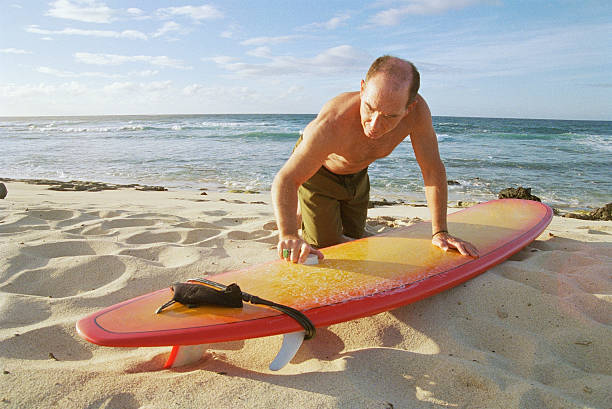
Those little thumbprint dents aren’t just cosmetic, they’re performance suckers. Every pressure ding is a weak spot where water can eventually seep into the foam core. A waterlogged board feels heavy, sluggish, and loses its spring. It’s like trying to pump down the line with a lead weight. Fixing small dings with Solarez or a sun-cure kit is quick and prevents a major, costly repair later. Keep it tight, keep it light.

Can I mix and match my fin sets?

Absolutely, this is where the real tuning happens! Many surfers run a larger center fin with smaller side bites for a pivoty feel, or bigger rear quads with smaller fronts for extra drive. This is called an “asymmetrical” set. It lets you customize the board’s pivot point and drive to match your style and local waves. Don’t be afraid to experiment and find your own magic combo.

What’s the difference between an ’Olo’ and an ’Alaia’ board?

Think of it like the difference between a big gun and a fish today. The olo was the Cadillac—thick, super long (up to 20 feet!), and reserved for the ali‘i (royalty). It was for gliding on smaller swells. The alaia was the shortboard of its day: thinner, shorter (6-12 feet), and more maneuverable. It was for the commoners and could handle gnarlier waves. Both were finless and required a totally different, toes-on-the-nose style to ride.