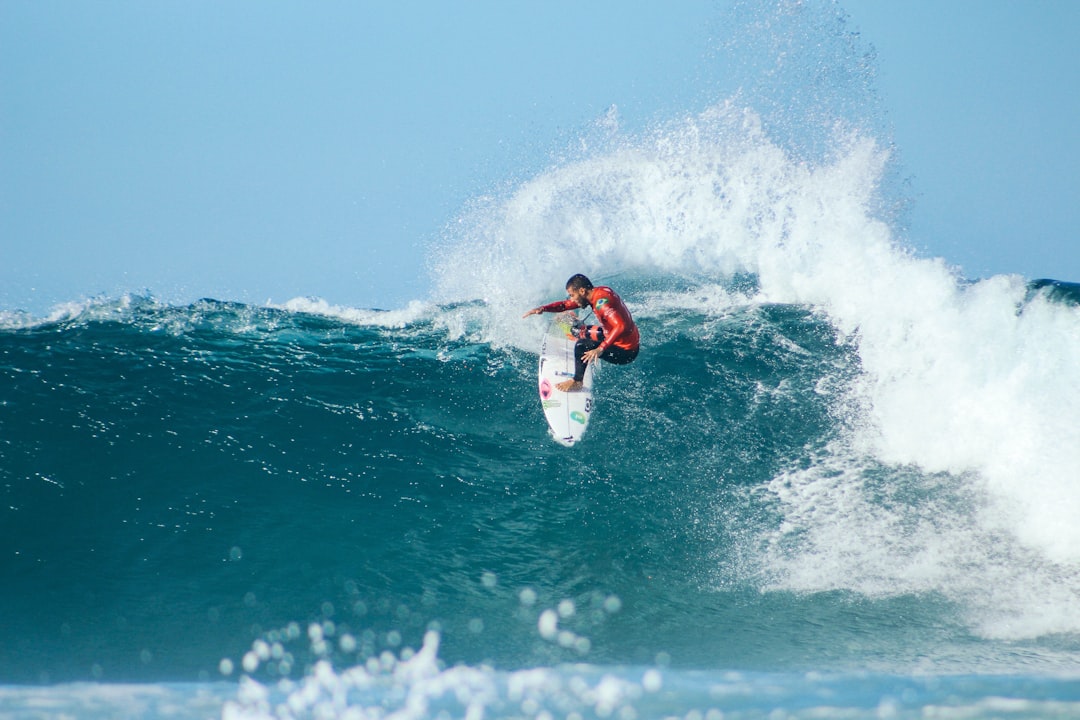
You hear it yelled from the beach, hooted from the shoulder, and dropped casually in surf shop conversations: “That guy’s a total ripper.“ In the lexicon of surfing, few terms carry as much weight or universal respect. Calling someone a ripper isn’t just a casual compliment; it’s an acknowledgment of a surfer who has graduated from simply riding waves to truly dominating them. It’s the ultimate badge of honor in the lineup.
So, what exactly makes a ripper? It’s not just about catching waves. Any kook can luck into a set wave on a soft day. The ripper distinction is earned through a combination of power, style, and an almost intuitive connection with the ocean. A ripper attacks the wave with purpose. They don’t just go down the line; they tear it apart. Think explosive top-turns that send a spray of spit into the sky, critical snaps right in the pocket, and deep, committed carves that draw a line of whitewater up the face. They make the difficult look effortless and the impossible look like just another Tuesday.
The term itself is pure surf speak, born from the action it describes—to rip a wave apart. It’s about aggressive, high-performance surfing. You’ll see rippers in their element when the conditions get heavy. They’re the ones charging double-overhead barrels at Pipeline, threading through heaving sections at Teahupo’o, or finding speed where there seems to be none on a mushy day. They have a deep quiver of maneuvers and the confidence to pull them off under pressure. A ripper isn’t just reacting to the wave; they’re dictating the dance, pushing their equipment to the limit and often redefining what’s possible.
But here’s the crucial nuance: being a ripper isn’t just about aggression. Style is the silent partner to power. There are surfers who hack at the wave with frantic energy, and then there are rippers who flow with a potent, controlled grace. It’s the difference between noise and music. Think of the smooth, powerful arcs of a surfer like Mick Fanning or the innovative, explosive approach of John John Florence. They combine raw ability with an aesthetic that makes you want to watch. A true ripper’s style is their signature.
It’s also important to separate the local ripper from the pro ripper. Every break has its local ripper—the surfer who knows that particular reef or beach break like the back of their hand. They get the best waves, understand the secret currents, and surf it with a home-field advantage that is deeply respected. The pro ripper takes that mastery on a global scale, adapting their high-octane approach to any wave on the planet. Both command respect in their own arena.
In the end, the label “ripper” is bestowed by the community. It’s not something you can claim for yourself. It’s earned through years of dawn patrols, wipeouts, and moments of pure stoke. It’s seen in the way other surfers watch them when they paddle out, giving them a nod of respect and maybe a wider berth on the peak. So next time you’re on the beach and see a surfer linking turns with power and precision, driving through sections with undeniable speed, you know what to call them. Just don’t call them a kook. They’re a ripper, plain and simple, and they’re the ones setting the standard for what it means to really surf.