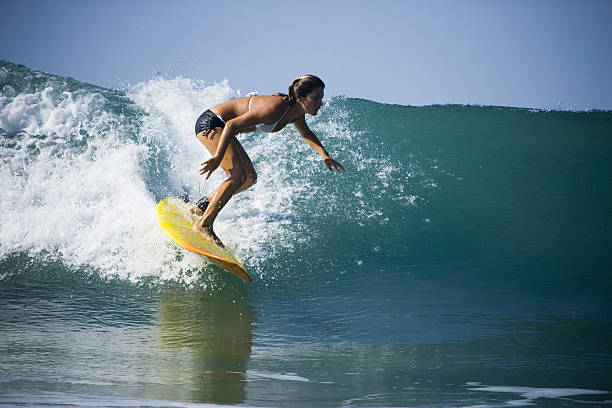
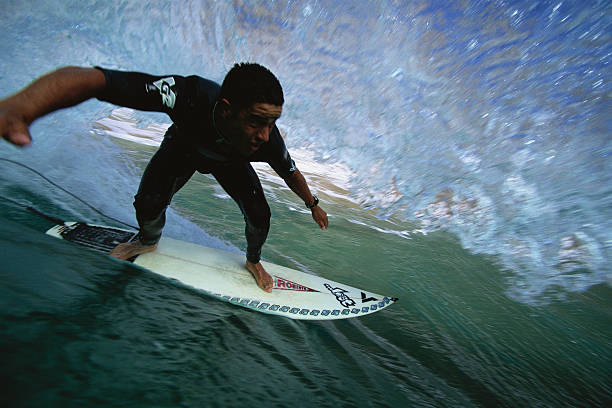
There’s something about the pulse of the ocean that clinics and couches can’t quite replicate. It ain’t just about popping up on a board and hooting at the shorebreak—it’s a full-sensory reset, a saltwater baptism that rinses the gunk out of your head. This is the heart of surf therapy, a movement that’s been gaining serious traction within our tribe. For those in the lineup who’ve traded war stories for wipeouts, or who’ve stared down demons that have nothing to do with gnarly closeouts, the wave becomes a medicine man. And the community that rides along? That’s the real stoke.
Look at the crew over at Operation Surf, for example. They take veterans dealing with PTSD, traumatic brain injuries, and physical setbacks, and get them into the brine. No pressure, no tests, just a board, a wetsuit, and a supportive pack of watermen and waterwomen who know the difference between a well-timed shaka and a need for space. The surf doesn’t care about your rank or your past. It just rolls in, always equal, always honest. When you catch that first wave after years of feeling broken, something shifts. The shoulders unlock, the breath deepens, and the amygdala finally gives up the ghost. It’s not magic—it’s hydrodynamics, neurological rewiring, and the sheer gravity of being fully present in a glassy moment.
The beauty of surf therapy is that it doesn’t gate-keep. Kids on the autism spectrum find a rhythmic calm in paddling through the foam. Folks battling depression discover that the ocean’s swell mirrors their own ups and downs, but teaches them to read the sets and let the closeouts go. Cancer survivors, recovering addicts, grieving moms—all welcome. The lineup is the ultimate equalizer. When you’re sitting out past the break, waiting for a pulse of energy from a distant storm, you’re not a diagnosis. You’re just a surfer. And that identity alone can be the raft that carries you back to shore.
The community aspect is the unsung hero. After the surf session, there’s the parking lot debrief, the shared thermos of tea, the laughter about that pathetic turtle roll. These connections are the glue. They form a safety net that stretches far beyond the beach. Many programs pair each participant with a mentor—a seasoned local who’s seen their own share of dark water. That one-on-one stoke builds a bond faster than any support group meeting. You learn to trust someone who’s got your back when a set wave walls up and you have to make the split-second call to kick out or commit. That trust spills into real life. Suddenly, asking for help doesn’t feel like a sign of weakness—it feels like calling a drop-in.
The science backs the stoke. Cold water immersion triggers a flood of dopamine and endorphins. The repetitive paddling acts as a moving meditation, forcing the breath to sync with the rhythm of the sea. Losing yourself in the motion of the ocean actually quiets the default mode network—that brain chatter that loops your worst fears on repeat. And the unpredictability of waves builds resilience. You can’t control the swell, but you can control your reaction. That’s a lesson that translates to every gritty struggle on land. Plus, the sheer physical exhaustion is a gift. You’re so wiped after a two-hour session that the anxiety doesn’t have the energy to show up at 3 AM.
Surf therapy ain’t a substitute for professional help, but it’s a gnarly ally. The best programs work alongside licensed therapists and docs, using the ocean as a co-facilitator. It’s not about catching the biggest wave—it’s about catching the one that matters to you. A knee-high peel on a longboard can be just as profound as a hollow pit in Tahiti if you’re paddling out of a personal drought. The ocean doesn’t judge. It just delivers.
The rising tide of surf therapy proves that our culture is more than just chasing tubes and scoring perfect pointbreaks. It’s about healing the tribe, one session at a time. So next time you see a group of folks in the shallows, wobbling on soft-tops with instructors flanking them, don’t just paddle by. Give them a hoot, a smile, a shaka. You might be witnessing someone’s first taste of freedom. And that, my friends, is the truest form of the endless summer—not the heat of the sun, but the warmth of a community that refuses to let anyone sink.