Planning Your Surf Trip

Live Surf Cams

Surfline Live is a 24/7 glimpse into the world’s surf.

This stream moves through Surfline’s global camera network, showing spots where it’s daylight and rated Fair or better.

What’s The Deal With…?

Surf Travel Adventures

If you’ve got a magic board you love, and you’re going for a while, bring it. But traveling with a board bag is a hassle and costs extra. For a short trip, renting can be epic—you can try different shapes suited to the local waves. Just research the shops beforehand to make sure they have quality sticks, not just beat-up foamies.

Think about your skill level first, kook. A mellow point break is way better for progression than heavy beach break. Research the season—you want to score the most consistent swell. Also, check if you need a board bag or can rent a decent stick there. Don’t forget about the vibe; some spots are super localized. Factor in travel time and cost. The goal is to maximize water time, not just get a tan.

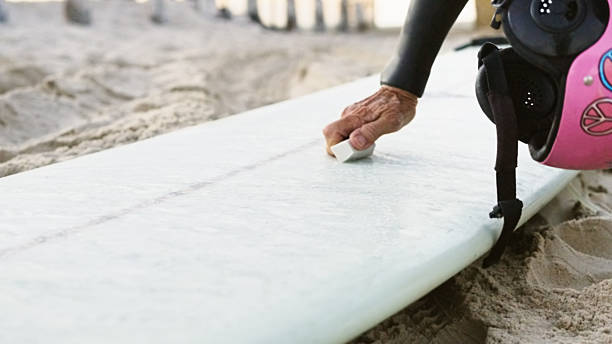
Your favorite board, if you can travel with it. Otherwise, pack a good leash, a couple of bars of wax (cool/warm/tropical), and a solid reef-safe sunscreen. Don’t forget your boardies or wetsuit—even tropical dawnies can get chilly. A basic first-aid kit for reef cuts is smart. Throw in a spare fin key and some ding repair epoxy. Pack light, but pack right.

Surf Travel Adventures

It takes legwork, mate. Get off the beaten path. Look at maps for lesser-known coastlines. Wake up for the dawn patrol before anyone else. Sometimes you score the best waves just by walking down the beach a bit further. Talk to shapers or shop owners, not just other tourists. Be respectful and low-key when you find a quiet peak—keep it on the down-low.

You gotta speak the language, brah. Focus on swell height, period (longer is more powerful), and wind direction. Offshore winds are gold—they groom the face. Use trusted sites like Surfline or Magicseaweed. Look at the tide charts too; some spots only work on a low or high tide. A 2-foot, 17-second swell can be way better than a messy 6-foot, 8-second one. It’s about quality, not just size.

Always do a dawn patrol scout session. Watch the water for 20 minutes. Check for rips, rocks, or reefs. Ask a friendly local about hazards. Know your limits—don’t paddle out if it’s double overhead and you usually ride knee-high. Use a leg rope that’s the right length. If in doubt, sit on the beach. It’s better to miss a session than get into serious trouble.