Mastering Different Wave Types
Live Surf Cams

Surfline Live is a 24/7 glimpse into the world’s surf.

This stream moves through Surfline’s global camera network, showing spots where it’s daylight and rated Fair or better.

What’s The Deal With…?

Surf Technique Deep Dive

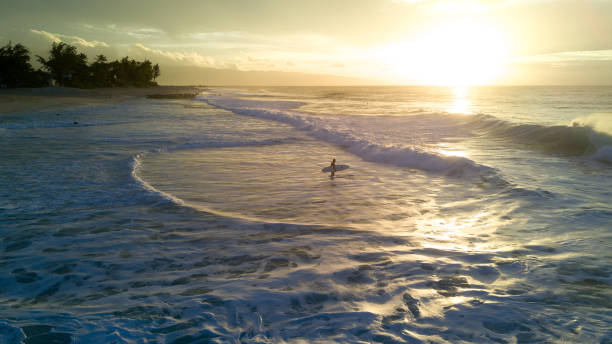
Beach breaks are where waves crash over a sandy bottom, like many spots in California. They’re fun but can be unpredictable, shifting with the tides and sandbars. Point breaks are the holy grail—waves peel perfectly along a rocky point or headland, offering longer, more predictable rides. Think Rincon or Jeffreys Bay. Beachies are great for learning and airs; points are for soul-carving and finding your flow. It’s all about reading the lineup.

Mushy waves need a different approach. Ditch your high-performance shortboard and grab a board with more volume—a funboard, fish, or even a longboard. Focus on generating your own speed by pumping down the line and using the whole wave face. It’s less about radical turns and more about stylish noserides and smooth carves. Perfect for logging, practicing maneuvers, or just enjoying a sunny day with your crew.

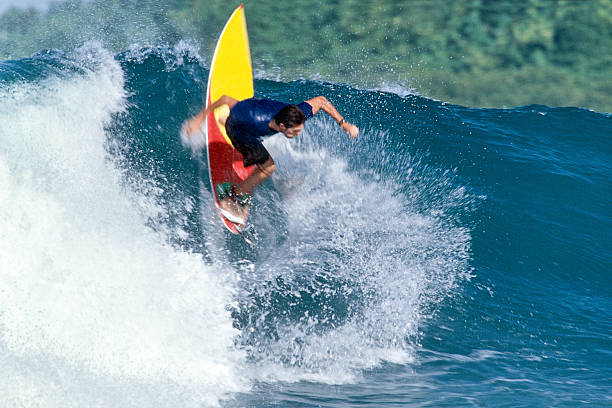
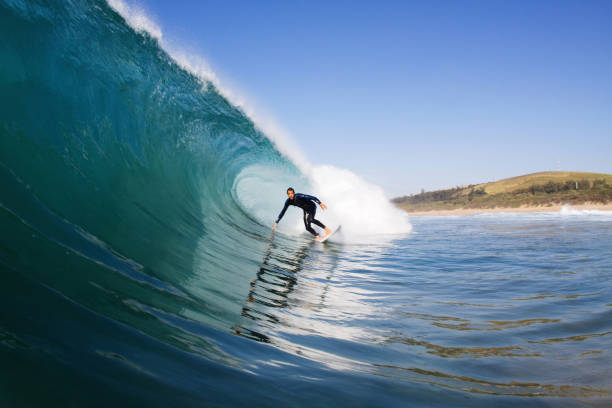
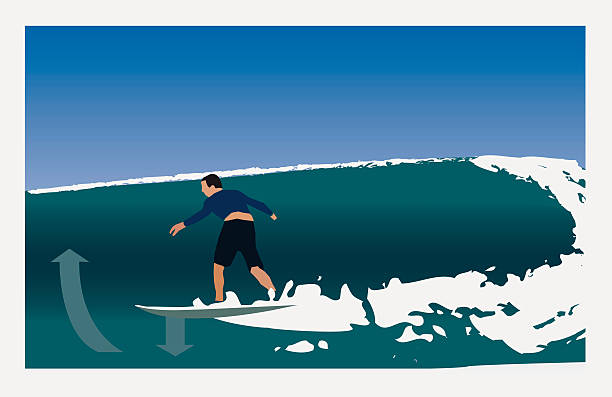
For fast, barreling waves that race along a reef or point, speed is everything from the get-go. You need a board that holds a rail well and fits in the pocket. The moment you pop up, get to your feet quickly and set your rail to angle down the line immediately. Minimize your movements to stay in the sweet spot. It’s a thrilling, high-speed challenge where being in the right position on takeoff is 90% of the battle.

Surf Technique Deep Dive

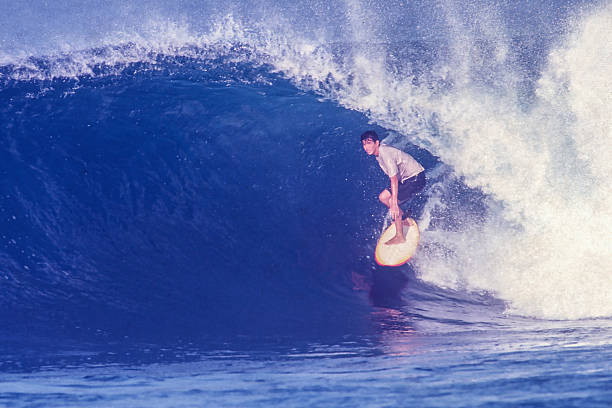
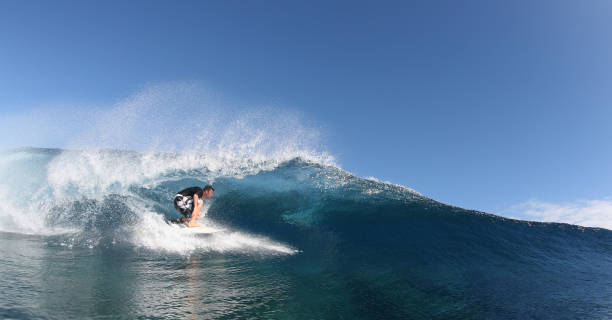
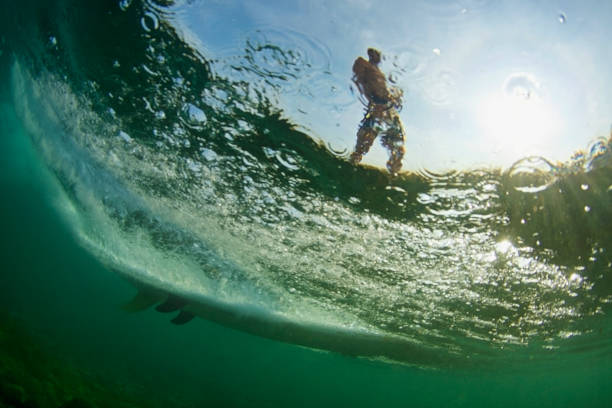
Heavy, hollow waves demand respect and commitment. You gotta be fit, confident, and have your duck dive dialed. The key is positioning: take off late and steep, aiming to get deep. Once you’re in, focus on projecting down the line with speed to outrun the pitching lip. It’s a mental game as much as physical. Start with smaller barrels and work your way up—getting pounded is part of the journey, brah.

Reef breaks create some of the world’s most perfect and powerful waves. The coral or rock bottom shapes the swell into consistent, clean lines. They offer incredible rides but come with serious consequences—a bad fall can mean more than just a wipeout. Knowing the tide is crucial, as a rising or falling tide can completely change the wave. Always check with locals about hidden dangers. The reward? Unforgettable sessions in crystal-clear water.

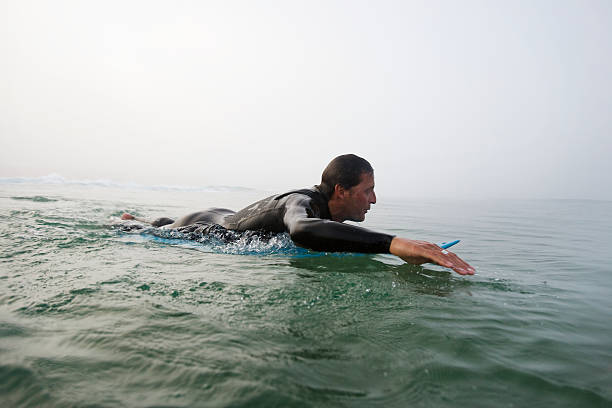
Big, rolling waves—like those at famed big wave spots—are about power and glide. You’ll want a bigger, gun-style board for paddle power and stability. Patience is key; wait for the right set wave. The takeoff is often slower but more critical. Once you’re in, make a high-line to avoid getting caught behind the sections, then use the wave’s massive energy for huge, drawn-out carves. It’s a powerful, humbling experience.