Legendary Surf Spots

Live Surf Cams

Surfline Live is a 24/7 glimpse into the world’s surf.

This stream moves through Surfline's global camera network, showing spots where it’s daylight and rated Fair or better.

What's The Deal With...?

Surf Lifestyle & Travel

What’s the vibe in the water at Supers like?

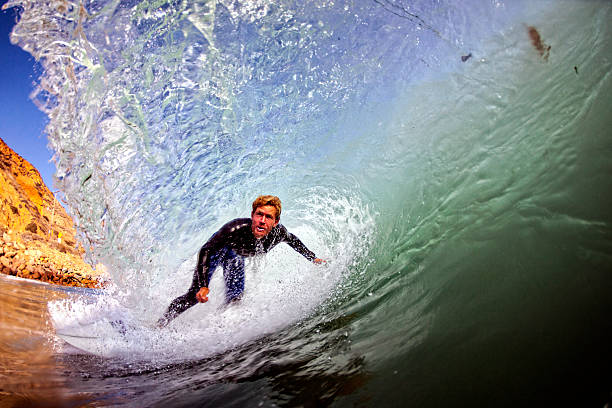
It’s a world-class wave, so the lineup is always competitive with a mix of frothing locals and talented travelers. Respect is paramount. Don’t drop in, snake waves, or paddle straight to the peak. Wait your turn, observe the hierarchy, and show you know how to handle the wave. Paddle wide to avoid the pack. Earning your waves through patience and good etiquette will get you more respect and better rides than any aggressive approach ever will.

What’s the best way to train for bigger waves when you’re landlocked?

Focus on cardio and explosive power. Swimming is gold—it builds paddle endurance and breath control. Burpees, box jumps, and lunges mimic popping up. Yoga is huge for flexibility and breath-holding (pranayama). Don’t neglect your mental game: visualize your take-offs and rides. A balance board or Indo Board at home helps with stability. When you finally get to the coast, you’ll be ready to handle the extra power and hold your breath if you get worked. It’s all about preparation meeting opportunity.

Which breaks should I hit for different skill levels?

For beginners, stick to the protected corners of spots like Greenmount or Currumbin Alley for mellow, rolling waves. Intermediate chargers will have a blast at Burleigh Heads on a smaller day, learning to navigate the point. For the experienced watermen and women, when the swell pumps, Snapper Rocks offers that insane, down-the-line Superbank perfection. Just remember your etiquette in the crowded lineup—snaking isn’t cool, brah.

The Surfing Life

Why is watching the ocean so important?

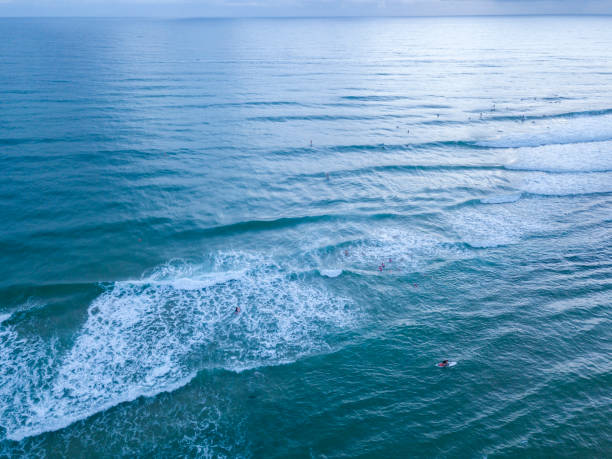
You gotta read the menu before you order! Sitting on the beach for 15 minutes lets you spot the main peak, the channel, and how the sets are rolling in. You’ll see the crowd dynamics and the rhythm of the swell. This saves heaps of energy and gets you in the right spot faster. It’s not just staring at the water—it’s studying the ocean’s patterns.

How do I choose the right quiver for my needs?

Think about your local breaks and what you want to ride. Every board has a purpose. A good shortboard for good days, a funboard or longboard for smaller days, and maybe a step-up for bigger, heavier waves. Don’t just get what the pros ride. Talk to local shapers—they know what works for your beaches. Your quiver should evolve with you. It’s about having the right tool for the conditions to maximize your water time.

What are the best foods for recovery after a long day in the water?

Post-surf, your muscles are screaming for repair. Aim for a mix of protein and carbs within that golden hour. A solid choice is grilled fish or chicken with some sweet potato and greens. If you’re on the go, a tuna poke bowl hits the spot perfectly. This combo helps rebuild muscle and replenish those glycogen stores you burned through. And don’t forget to rehydrate! Water is key, but tossing in some electrolytes helps replace what you lost sweating in your wetsuit.