Gnarly Terms: Describing Epic Waves
Live Surf Cams

Surfline Live is a 24/7 glimpse into the world’s surf.

This stream moves through Surfline’s global camera network, showing spots where it’s daylight and rated Fair or better.

What’s The Deal With…?

Surf Lingo & Slang

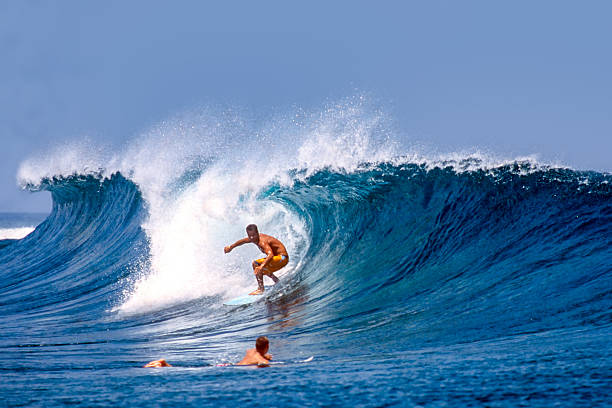
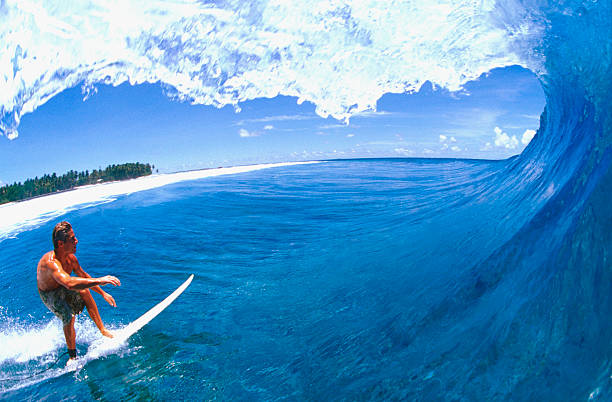
This describes a wave with a perfect, orderly break that unfolds along its length, like peeling a banana. A “peeler” is a wave that breaks slowly and evenly, allowing for a long, smooth ride. It’s the opposite of a closeout. You’ll find these at point breaks or reefs with a well-defined contour. These waves are a dream for logging, longboarding, or practicing turns, giving you plenty of time on the face to set up for maneuvers and really enjoy the glide.

A total bummer! A closeout is when the entire wave breaks at once, instead of peeling left or right. There’s no open face to ride, just a wall of whitewater. It offers no real rideable shoulder, shutting down immediately after it breaks. You might get a steep drop, but then you’re instantly engulfed. Spot selection is key to avoiding these—you want a peak that peels consistently. Getting caught inside during a set of closeouts is what we call a proper washing machine experience.

This simply tells you which way the wave is breaking and which direction you’ll ride. A “left” breaks from left to right from the perspective of the surfer riding it (your back is to the wave face). A “right” breaks from right to left. It’s all about your stance and the wave’s direction. Knowing your preferred direction (regular foot vs. goofy foot) helps you pick the peak that sets up your best ride. Some spots are famous for long, perfect lefts or grinding, hollow rights.

Surf Lingo & Slang

A clean wave has a smooth, well-defined face without any chop or mess from the wind. Think glassy, organized lines rolling in with perfect shape, offering a smooth ride. Offshore winds (blowing from land to sea) typically groom the swell into these pristine conditions. It’s like the ocean has been ironed out, allowing for critical maneuvers and long, flowing carves. These are the days when everything feels effortless and you can really focus on your technique and flow on the wave.

These are the prized gems! Waves arrive in groups called sets, with lulls in between. The “set wave” is usually the biggest and best-formed wave of that group. Paddling for and catching the set wave means you’ve scored the prime ride of the series. It often offers the longest, cleanest, and most powerful journey. Patience in the lineup is all about waiting for these beauties. Snagging a set wave often means a longer ride and getting in before the crowd behind you.

This is the foamy, bubbly aftermath of a broken wave. Also called the “impact zone,“ it’s where the wave’s energy has fully dissipated. Beginners start here, learning to pop up on the already-broken wave. For experienced surfers, it’s the chaotic area you paddle through to get “out the back” to the lineup. Getting caught in the soup means a tumble and a long paddle back. It’s the ocean’s washing machine, but everyone pays their dues here at some point!