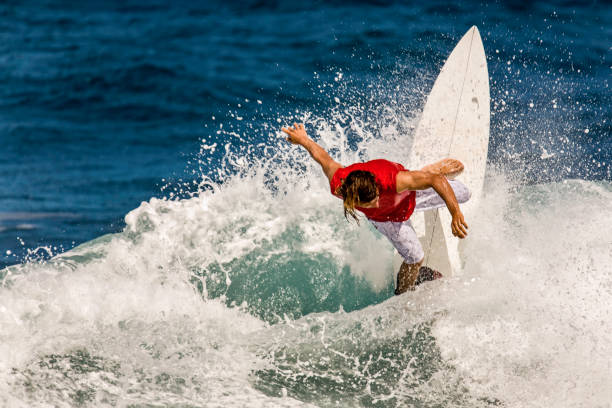
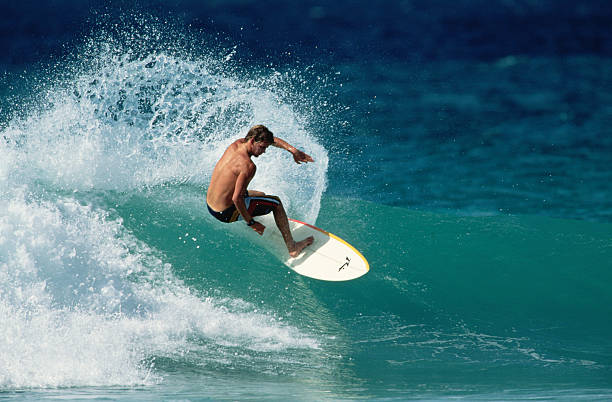
Every surfer knows the moment. The wave takes control, the board leaves your feet, and all of a sudden the ocean is doing a very thorough job of reminding you who is actually boss. Wipeouts are not the opposite of surfing. They are the tuition you pay to learn the lineup, the free ride that never ends, the unglamorous partner of every glorious glide. If you paddle out long enough, you will eat sand, drink saltwater, and get your hair braided by kelp. The sooner you make friends with the fall, the sooner the ocean stops feeling like a bully and starts feeling like a teacher.
There are wipeouts, and then there are wipeouts. The beginner classic is the pearl, where the nose of your board digs in and you pitch forward like you just tripped over a coffee table. It is humbling, usually shallow, and over in a blink. Then there is the closeout, where a perfectly innocent-looking wave suddenly stands up and pitches the whole thing onto the sand. You don’t really choose this one. The wave just slaps the table and flips the board into the sky. And then, of course, there is the big one: the over-the-falls hold-down. That is where you get pitched over the lip, the wave goes to the bottom, and you go with it. The ocean becomes a washing machine with no spin cycle. Up feels like down, light feels like dark, and your lungs start sending very firm memos to your brain about the importance of oxygen. In those moments, all your talk about style and flow goes right out the window. Survival is the only move that matters.
The first rule of falling is to stop fighting the ocean. That sounds backward, because every instinct screams at you to swim for the surface. But the ocean is a lot bigger than you, and it is going to finish its sentence no matter what. So you tuck, you relax, you let the turbulence throw you around, and you wait for the moment when the water lets go. That moment always comes. The wave has places to be. It doesn’t care enough to hold you forever. When you feel the pressure ease, that is your cue to reach for the surface, but not with panic. With patience. Let the leash do its job, find your board, and give yourself a second to remember which way is up and which way is the beach. Then paddle back out and do it all over again.
There is a whole vocabulary for this ridiculous dance, and it is worth knowing because every wipeout tells you something. A full ragdoll means your fins caught the water and the wave turned you into a human baton. A washing machine means you are getting tumbled along the foam with zero control, which is about as graceful as it sounds. The dreaded guillotine happens when your board shoots up out of the whitewater and hovers in the air, waiting to maim you on the way down. That is why you always cover your head when you come up. Always. A broken nose is a bad look in the lineup, but a cracked skull is a worse one. And when you take a set on the head, you learn the fine art of rolling over your board like a lazy dolphin, letting the wave break harmlessly over your back instead of using your spine for a speed bump.
The deeper lesson is that wipeouts keep your ego in check. You can ride a wave like a dream and then take a full closeout on the next one, arms windmilling, board flying, dignity nowhere in sight. That is the deal. Surfing humbles you exactly when you need it, which is why the best surfers are usually the most chill people in the water. They know the ocean does not care about your last barrel or your new board or your Insta-worthy cutback. It will put you on the beach face-first as soon as look at you. The only sane response is to laugh, shake the water out of your ears, and paddle back out. That laugh is not just about coping. It is about respect. You lost, but you get to try again. That is more than most things in life offer.
So when the wave takes you under, don’t clench. Let go. Trust the water to spit you out. Your friends on the beach are already laughing, and honestly, you should be too. The wipeout is not the end of your session. It is the punctuation mark between chapters. Eat the sand, taste the salt, and remember that every surfer on every beach has been exactly where you are. The ocean does not discriminate. It only teaches. And the first lesson, written in every bubble and every broken leash string, is this: you were never in control anyway. You were just lucky to be along for the ride.