Early Surfboards: From Ancient Roots
Live Surf Cams

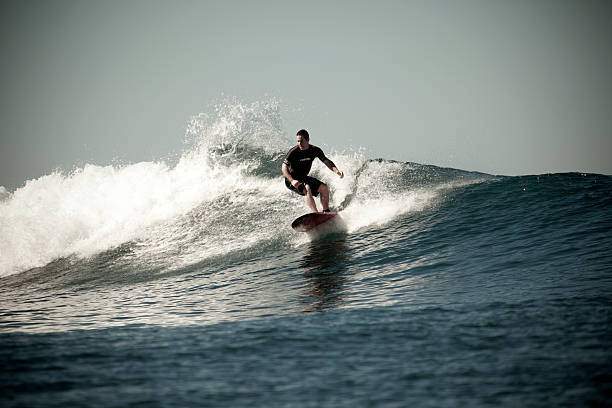
Surfline Live is a 24/7 glimpse into the world’s surf.

This stream moves through Surfline’s global camera network, showing spots where it’s daylight and rated Fair or better.

What’s The Deal With…?

Surfboard Evolution

It wasn’t just a sport; it was woven into their social and spiritual fabric, man. Chiefs used surfing to display skill and mana (spiritual power). The kahuna (priests) would even bless the waves and boards with rituals. It influenced everything from land disputes to romance. Being a great waterman or waterwoman was a huge mark of status. It was a way of life that taught balance, respect for the ocean, and pure stoke long before it was called that.

Dude, the OG boards were heavy, finless slabs of wood. Ancient Hawaiians, the true pioneers, shaped them from local trees like koa, wiliwili, and ‘ulu (breadfruit). These olo and alaia boards were thick, dense, and seriously challenging to ride. They weren’t for popping airs; they were about spiritual connection and straight-line glide. Ranging from 6 to a massive 20 feet long, they were more about ceremony and royalty than carving up the lineup. It was pure, raw surfing at its origin.

Think of it like the difference between a big gun and a fish today. The olo was the Cadillac—thick, super long (up to 20 feet!), and reserved for the ali‘i (royalty). It was for gliding on smaller swells. The alaia was the shortboard of its day: thinner, shorter (6-12 feet), and more maneuverable. It was for the commoners and could handle gnarlier waves. Both were finless and required a totally different, toes-on-the-nose style to ride.

Surfboard Evolution

Big shout out to the “Beach Boys” of Waikīkī, especially legends like Duke Kahanamoku. In the early 1900s, this crew revived the ancient practice and shared it with the world. Duke, an Olympic swimmer, became surfing’s global ambassador, giving demos from Australia to California. His aloha spirit and incredible skill sparked the first modern surf craze, proving the stoke was too powerful to be wiped out. He’s the godfather of modern surfing, no question.

They used what the ‘āina (land) provided, brah. After selecting the right tree, they’d use hand-held basalt stone adzes to rough out the shape. Smoother stones and coral blocks were used for sanding, and finally, they’d finish with a polish using natural oils from plants or even the kukui nut. It was a slow, sacred process, often accompanied by prayers. The craftsmanship was next-level, turning a log into a functional art piece through sheer skill and patience.

After the Hawaiian revival, surf hit California, but they lacked the perfect Hawaiian woods. So, early 20th-century shapers used what they had: redwood. These planks were crazy heavy—like 100+ pounds, bro! They were often just milled lumber, shaped a bit, and sealed with varnish. Riding one was a workout just to get it to the water. This clunky era was a crucial bridge between ancient craft and the lighter materials that would soon revolutionize everything.