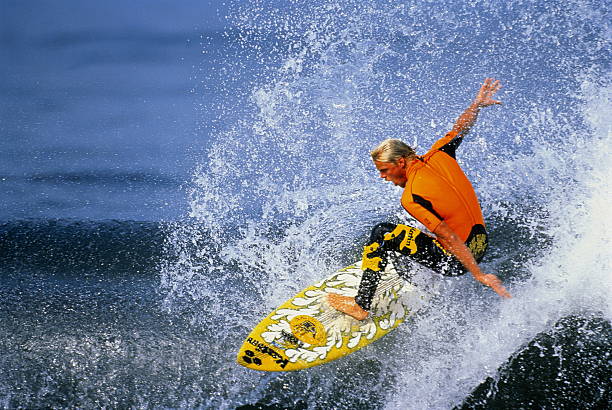
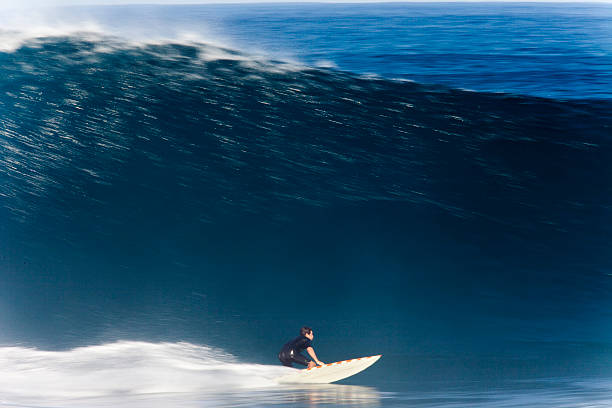
The ocean was his living room, and every wave a long-lost friend. Before the neon boardshorts, before the drone shots, before the word “stoke” got thrown around like confetti, there was Duke. Not a title, not a rank—just Duke. The big Hawaiian with the silver hair and the smile that could calm a hurricane. When he paddled out on his solid koa board, it wasn’t just a ride. It was a ceremony. And yeah, the guy could swim like a dolphin—won five Olympic medals in a heartbeat—but that was just the appetizer. The main course, the one that changed everything, was how he brought the soul of Hawaiian wave-riding to the whole damn planet.
You gotta understand: back in the early 1900s, surfing was nearly extinct in Hawaiʻi. The missionaries had done a number on the culture, stomped out the old ways, shamed the locals for their “idle” pastimes. But Duke, born in 1890 right there in Honolulu, grew up with the ocean in his veins. He learned to bodysurf at Waikiki when he was a kid, shaped his own traditional board out of koa, and just… kept the flame alive. When he wasn’t racing his buddies or chasing sets along the outer reefs, he was perfecting this graceful, hang-loose style that looked less like a sport and more like a dance with the sea. And the sea—she loved him back.
Then the 1912 Stockholm Olympics happened. Duke, this unknown island kid, flat-out dominates swimming, taking gold in the 100-meter freestyle and shattering world records. Suddenly the world’s eyes are on him. And what does he do with that spotlight? He doesn’t just wave and go home. He starts hauling his boards around the globe like they’re sacred relics, because to him, they are. He hits California in 1912, gives a demo in Santa Monica that leaves the beach crowd slack-jawed. Then in 1915, he heads to Australia, down to Freshwater Beach in Sydney, cuts a custom board out of local sugar pine, and paddles out into history. The Aussies had never seen anything like it. They thought he was a god. And honestly? They weren’t wrong.
Duke didn’t surf like a show-off. He flowed. He read the ocean like a poem, anticipating swells before they even jacked up, gliding across the face with this effortless, aloha-driven grace. For him, surfing wasn’t a competition. It wasn’t about hucking airs or claiming waves. It was about connection—to the land, to the water, to each other. He’d invite locals to try, giving them the stoke for free, letting them feel the rush that comes when a wave picks you up and carries you like you’re weightless. That’s the real gift he gave. Not just the technique, but the invitation. He showed people that surfing is not something you conquer. It’s something you join.
And here’s the thing that gets me—Duke never lost his cool. Even after he became a global superstar, a celebrity hanging with royalty and Hollywood royalty alike, he stayed humble. He served as the sheriff of Honolulu, he’d save drowning surfers with zero hesitation, and he kept riding waves until he was in his sixties. He embodied what we now call “soul surfing,“ but without ever using the word. He knew that the ocean doesn’t care about your fame. It only cares about how much respect you bring.
Fast forward a century, and every single surfer on this planet owes a nod of the head to Duke. Every time you paddle out at dawn and catch that first glassy reel, every time you share a wave with a stranger and flash a grin, every time you understand that surfing is more than just a sport—it’s a way of seeing the world—you’re living in his wake. He didn’t invent the ocean. He didn’t invent the board. But he took the soul of surfing, wrapped it in the aloha spirit, and passed it on to every generation that followed. So next time you’re sitting in the lineup, waiting for that pulse of energy from deep water, take a moment. Say thanks to the big Hawaiian. Then paddle, drop in, and feel the endless summer he made possible.