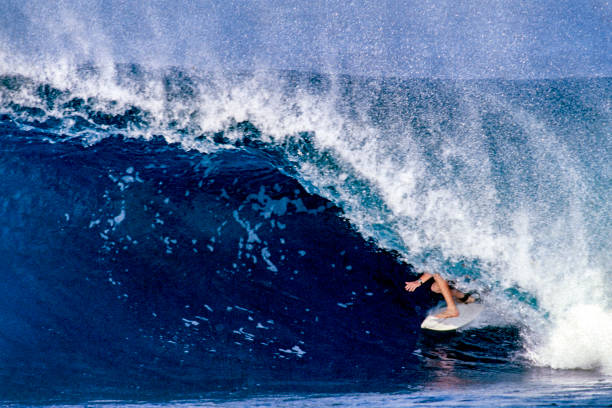
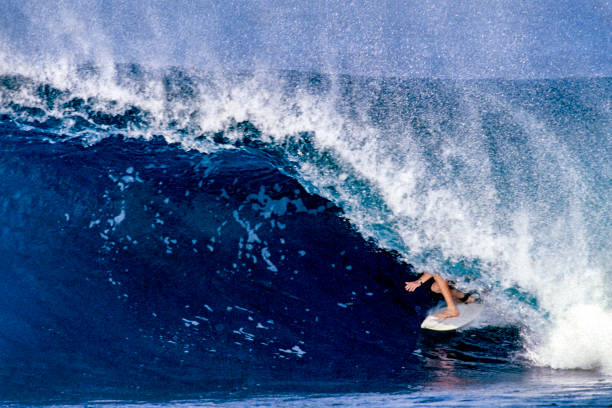
There’s a myth floating around the lineup that scoring world-class waves requires a trust fund the size of a deep-water swell. You hear it from the posh resort types sipping coconut water between dawn patrol sessions at private breaks, or from the glossy travel mags pushing five-star surf camps with infinity pools and gourmet buffets. Sure, that’s one way to ride. But the real stoke, the raw salt-scrubbed soul of surf travel, has never been about flash. It’s about the hunt, the freedom, and the glorious feeling of paddling out at a perfect right-hander knowing you spent less on the whole trip than others spend on a single night’s lodging. Budget surf travel is not a compromise. It’s an art form, and it’s how the gnarliest, most dedicated wave chasers have always done it.
The first rule of cheap surf travel is simple: go where the pack ain’t. Everyone and their grandpa is heading to Bali’s Bukit Peninsula or the Gold Coast of Australia, and the prices reflect that crowd. Instead, look to the fringes. Think Nicaragua’s wild northern coastline, where beach breaks peel for miles and the local comedores serve up gallo pinto and fresh catch for pocket change. Think the Philippines’ Siargao, which still holds pockets of affordable island living if you dodge the touristy boardwalk. Think Portugal’s Alentejo region, where empty beach breaks stretch under ancient cliffs, and the surf hostels cost a fraction of what they do in Cascais or Ericeira. The waves don’t care about your budget. They break the same for the wanderer in a beat-up van as they do for the one in a luxury villa. You just need to be smart about where you land.
Seasonality is your secret weapon. Chasing the sun doesn’t mean you need peak-season heat and glassy perfection every single day. Surfing through shoulder months—late spring or early autumn at tropical spots, or deep winter in places known for summer crowds—opens up a world of deals. Flights drop, hostels cut rates, and you might even have the lineup to yourself when the crew with flexible remote jobs heads home. Plus, there’s a special magic in surfing a spot when the conditions are a little raw. That cross-offshore choppiness teaches you to read the ocean better than any groomed, manicured swell ever will. You’ll earn your waves, and you’ll remember them harder.
Now let’s talk logistics, because the budget surfer’s biggest enemy is overspending on the noisy stuff. Accommodation? Skip the surf camps that bundle your bed, meals, and tours into inflated daily rates. Rent a basic room from a local family, or crash in a shared dorm that’s got a board rack and a hose for rinsing saltwater off your stick. Better yet, the true treasure is the surf van. A tired old van with a mattress in the back, a portable stove, and a roof rack for two boards is the purest expression of budget travel. You follow the swell, you wake up to the sound of waves hitting sand, and your rent is whatever fuel you burn. It smells like stale wax and sea air, and it’s absolutely beautiful.
Food can murder a budget faster than a closing set at a shallow reef. The answer is to eat like a local and cook like a pauper. Hit the morning markets for fresh fruit, tortillas, rice, beans, and the catch of the day. Learn to make a killer one-pot surf stew. Buy bread from the old bakery down the street. And keep a stash of peanut butter and instant noodles for those nights when you’ve surfed so hard you can barely lift a spoon. A simple rule: if it comes with a thatched roof and a waiter, you’re probably paying three times what it’s worth. Sand-dusted and barefoot, you’ll taste more in a street food stall than any white-tablecloth joint.
Your quiver is another place to save serious coin. Don’t fly internationally with a bag full of expensive custom boards. Airlines love to charge surfers ridiculous fees, and that overhead justifies a rethink. Instead, arrive with just your wetsuit and booties, then hit up the local second-hand shops. Every surf town has a dusty corner where broken dreams and old sticks gather. You can pick up a beaten-up but serviceable board for next to nothing, patch the dings with a tube of resin, and ride it until it crumbles. When you leave, sell it or pass it on to a local grom. That’s a beautiful transaction. You lose a few bucks, they gain a board, and you never paid baggage fees.
Transportation on the ground matters just as much. Public buses in places like Indonesia, Mexico, and Vietnam are absurdly cheap and an adventure all their own. You’ll share space with chickens, grandmothers, and surfboard-laden travelers, and you’ll see the real country through dust-streaked windows. For remote coastlines, team up with other budget surfers and split a rental car. Or just hitchhike. In surf cultures, picking up a soggy traveler with a board is practically sacred duty. You’ll make friends, hear stories, and save cash.
Riding the budget wave is also about mindset. You trade luxury for freedom, predictability for raw adventure. You learn to savor the simple ritual of paddling out at dawn with no agenda, just the tide chart and an empty belly. Every wave costs nothing but your energy. Every lineup brings new mates from all corners of the world, bound by the same saltwater obsession. The endless summer isn’t about money. It’s about stoke, and the greatest surf trips are the ones where you live lean, ride hard, and come home with a soul so full that your bank balance feels like an afterthought. Go chase the sun, but chase it cheap. The sea will reward you.