All Articles

Live Surf Cams

Surfline Live is a 24/7 glimpse into the world’s surf.

This stream moves through Surfline’s global camera network, showing spots where it’s daylight and rated Fair or better.

What’s The Deal With…?

Surfboard Evolution

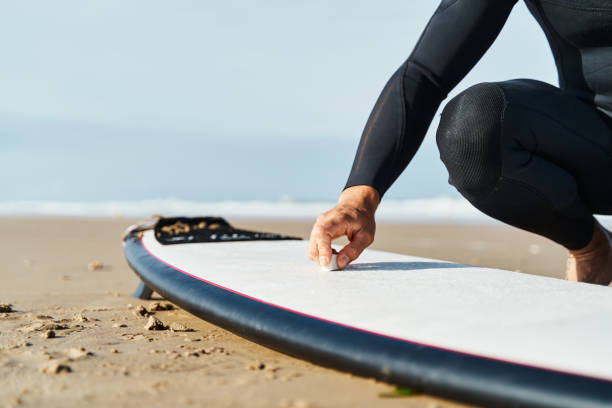
Listen to your feet! When the wax gets dirty, smooth, or melts into a slick mess, it’s time for a fresh coat. Old wax loses its grip, turning your deck into a slip ’n slide on a critical drop-in. A good rule is a basecoat for a new season or travel spot, and a light topcoat every few sessions depending on the heat. Scrape off the old gunk first for the best stick. Good traction equals more confidence to charge.

Wider boards offer more stability and better paddle power due to increased planing surface. They’re fantastic for small waves, beginners, or surfers wanting a relaxed ride. The con? They can feel a bit “sticky” on turns, lacking the snappy responsiveness of a narrower board. If you’re looking to do radical top-turns or carve tight arcs, too much width can hold you back. It’s a trade-off between stability and high-performance maneuverability.

Dreamy conditions are when it all comes together: glassy surface, perfect lines, warm water, and maybe just you and your friends. Scoring a day like this is pure soul fuel. It goes beyond just good surfing; it’s a deeply satisfying, almost spiritual experience. It reaffirms why you chase swells and endure flat spells. That dreamy session becomes a core memory you’ll draw from when you’re stuck at a desk.

Surf Technique Deep Dive

Dryland training is key! Skateboarding transition (ramps and bowls) is the absolute best cross-trainer—it teaches you the feeling of launch and landing. Indo boards and balance trainers help with stability. You can even practice the popping motion on a gym floor or trampoline, mimicking the compression and extension. Visualize the whole sequence, from the bottom turn to the stomp. Muscle memory built on land translates directly to the lineup.

Abso-bloody-lutely. A smooth, efficient duck dive means you get out back faster and with less gas in your tank. You spend less time battling the impact zone and more time lined up in the take-off spot. When a set comes, you’re not gassed from being pummeled—you’re ready to spin and go. It also lets you hold your position in a critical lineup instead of getting swept inland. It’s not just defense; it’s offensive wave-catching strategy.

You’re likely too far forward on your stick or trying to catch waves that are already too steep. Scoot back a bit on your board to keep the nose from pearling. More importantly, start paddling earlier, the moment you feel the wave lift your tail. You need momentum to match the wave’s speed. Think “paddle hard, then pop” rather than just hoping the wave will do the work for you. It’s a timing and positioning game that every surfer has to dial in.